The Legacy of DOGE: Trump's Second Term Agenda and the Battle Over History and Education
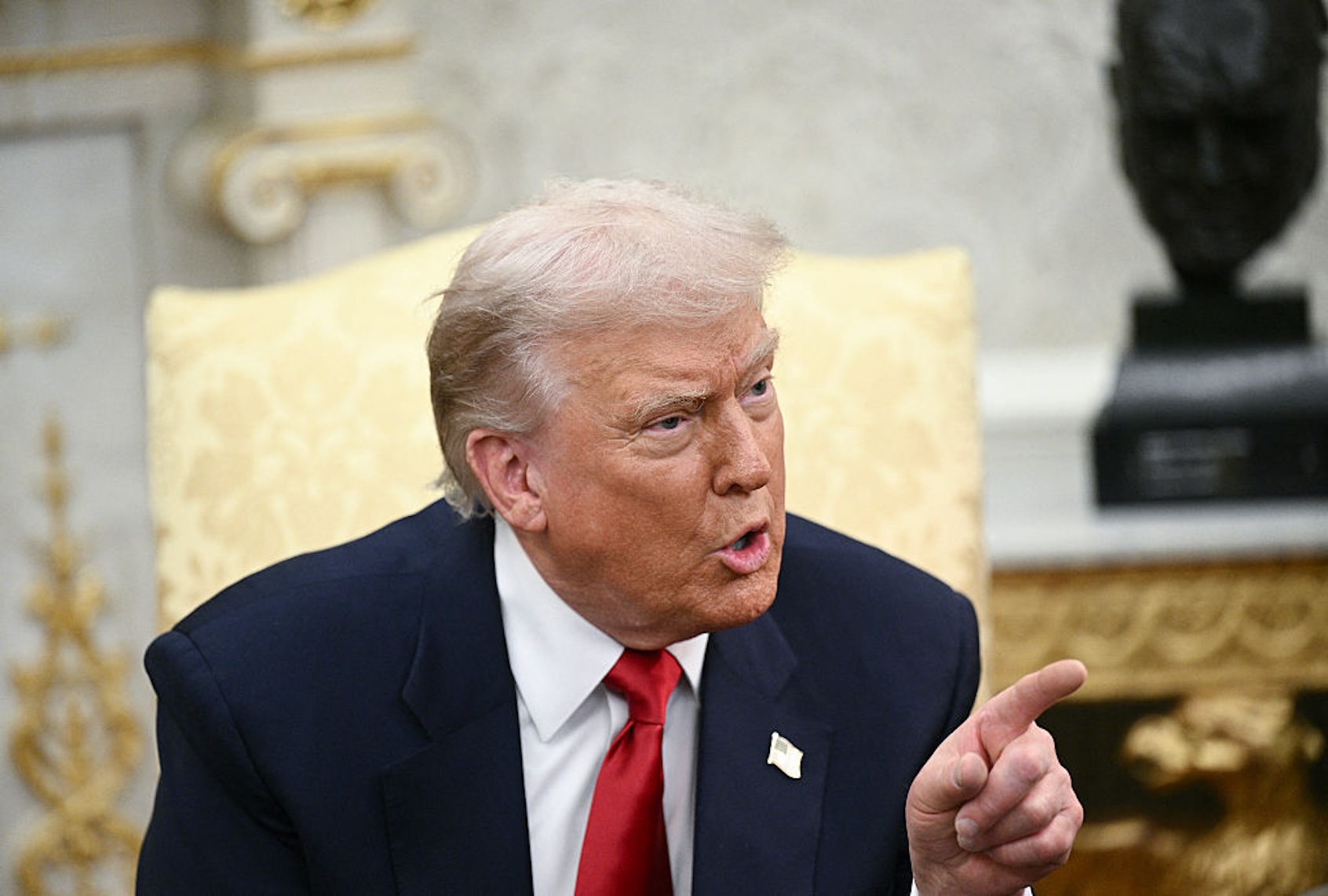
When Donald Trump began his second term, his agenda was ambitious but unclear. He focused on implementing tariffs and targeting his political adversaries. Elon Musk and a group of young tech enthusiasts were brought in to cut government programs and agencies under the Department of Government Efficiency (DOGE) to save money. Despite Musk's departure, the repercussions of DOGE's actions are still being felt. Lower courts challenged DOGE's decisions, but the Supreme Court expedited the process, allowing the administration to proceed with its cuts. The conservative majority may also reverse a ruling that DOGE lacked the authority to cancel National Endowment for the Humanities grants, citing violations of the First and Fifth Amendments.
DOGE's decisions were influenced by cutting anything related to diversity, equity, inclusion, or debt increase. The administration used ChatGPT to make these determinations without clear definitions. The NEH and NEA have been embroiled in culture wars since the 1980s, with controversies over funding art projects and academic standards. Lynne Cheney, former head of the NEH, advocated for a traditional Western canon in education, sparking debates over political correctness and historical narratives. The Trump administration dismantled institutions like the NEH based on these ideologies.
Trump's administration pushed for a revisionist view of American history, demanding reverence for the country's past achievements. The Smithsonian and Department of Education were directed to remove "woke" and "DEI" curricula, with plans for a "Garden of Heroes" in Washington, D.C. Florida's Governor Ron DeSantis led efforts to overhaul education curricula to align with a conservative worldview, banning books and reshaping college campuses. The Cheney family's opposition to Trump's campaign contrasts with the influence of their past advocacy against acknowledging America's complex history.
The transformation of the Republican Party into an authoritarian movement under Trump reflects the influence of past debates over political correctness and historical narratives. The irony of figures like Lynne Cheney, who once fought against progressive education standards, witnessing the consequences of those actions in the current political landscape is evident. Trump's embrace of a revisionist view of history and efforts to reshape education reflect a broader shift towards a conservative, nationalist ideology.