Challenges and Controversies: The Pressure on Keir Starmer to Reshape Labour's Future
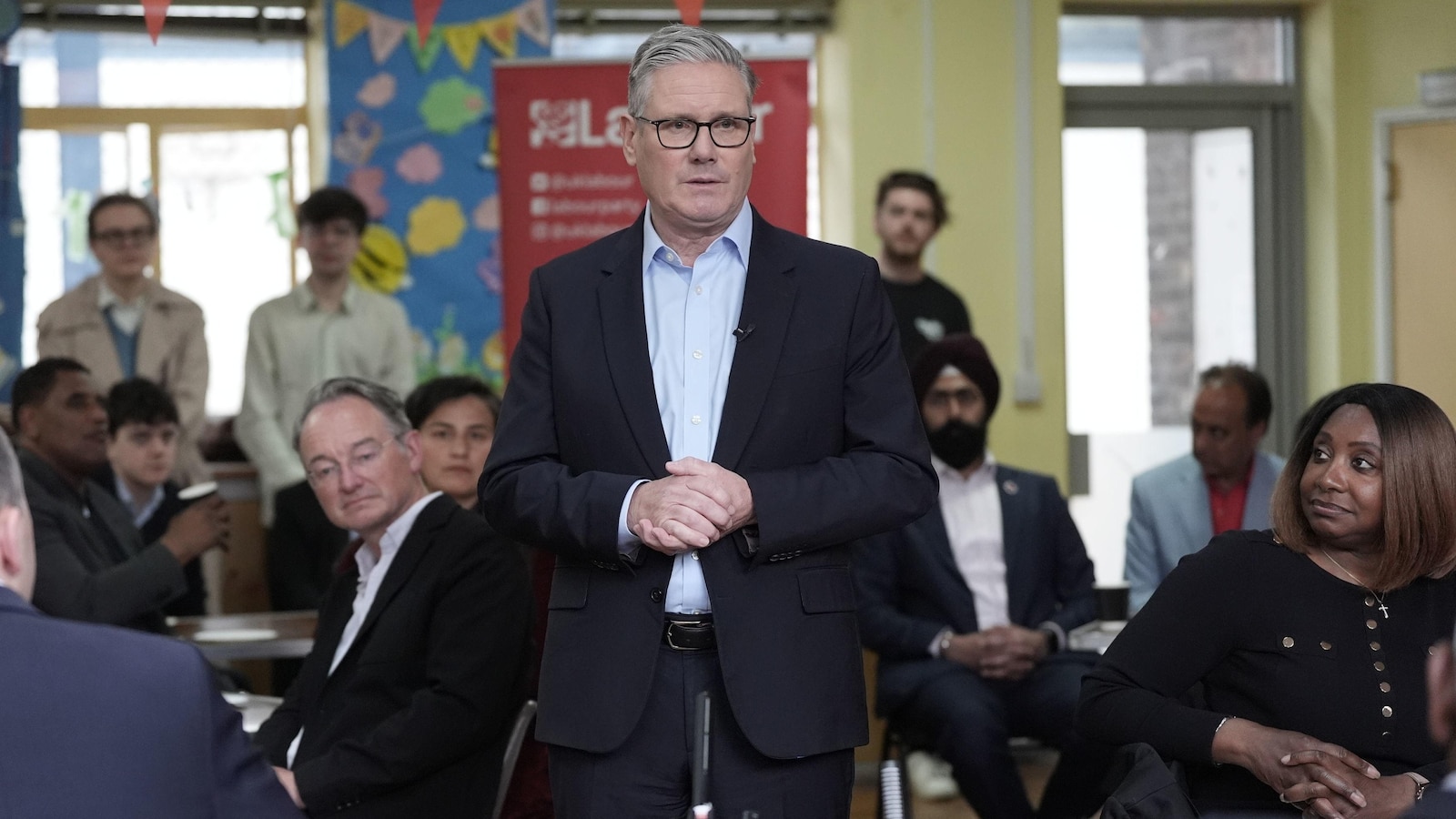
Prime Minister Keir Starmer is facing pressure to step down following disappointing local election results for the Labour Party. Despite this, Starmer is determined to bring Britain closer to the European Union and address the challenges facing the country. Former Deputy Prime Minister Angela Rayner has criticized Starmer's leadership, calling for a change in approach to address issues such as cronyism and the cost of living for working people. The recent elections have highlighted the challenges facing Starmer's government, with losses to both right and left-wing parties reflecting the changing political landscape in the UK.
Starmer's popularity has declined since he took office, with his government struggling to deliver on economic promises and facing criticism for policy U-turns. The decision to appoint Peter Mandelson as Britain's ambassador to Washington has also been met with controversy. Despite these challenges, Starmer is set to outline his vision for the country in a speech on Monday, focusing on closer ties with the EU and plans to ease trade restrictions post-Brexit. Labour's campaign to stay in the EU during the 2016 referendum has shaped its stance on the issue, with Starmer ruling out rejoining the bloc or its customs union and single market.
While some Labour lawmakers have called for Starmer to resign, no high-profile challengers have explicitly demanded his departure. However, there is growing pressure on Starmer to set a timetable for his resignation, with calls for a leadership contest if he fails to deliver a compelling speech on Monday. The Labour Party is at a crossroads, with the need for change and a renewed focus on addressing the concerns of working people becoming increasingly urgent. Starmer's ability to navigate these challenges and regain momentum will be crucial in determining the future direction of the party.