Women's Rights in Crisis: The Impact of Funding Cuts on Humanitarian Aid in Gaza
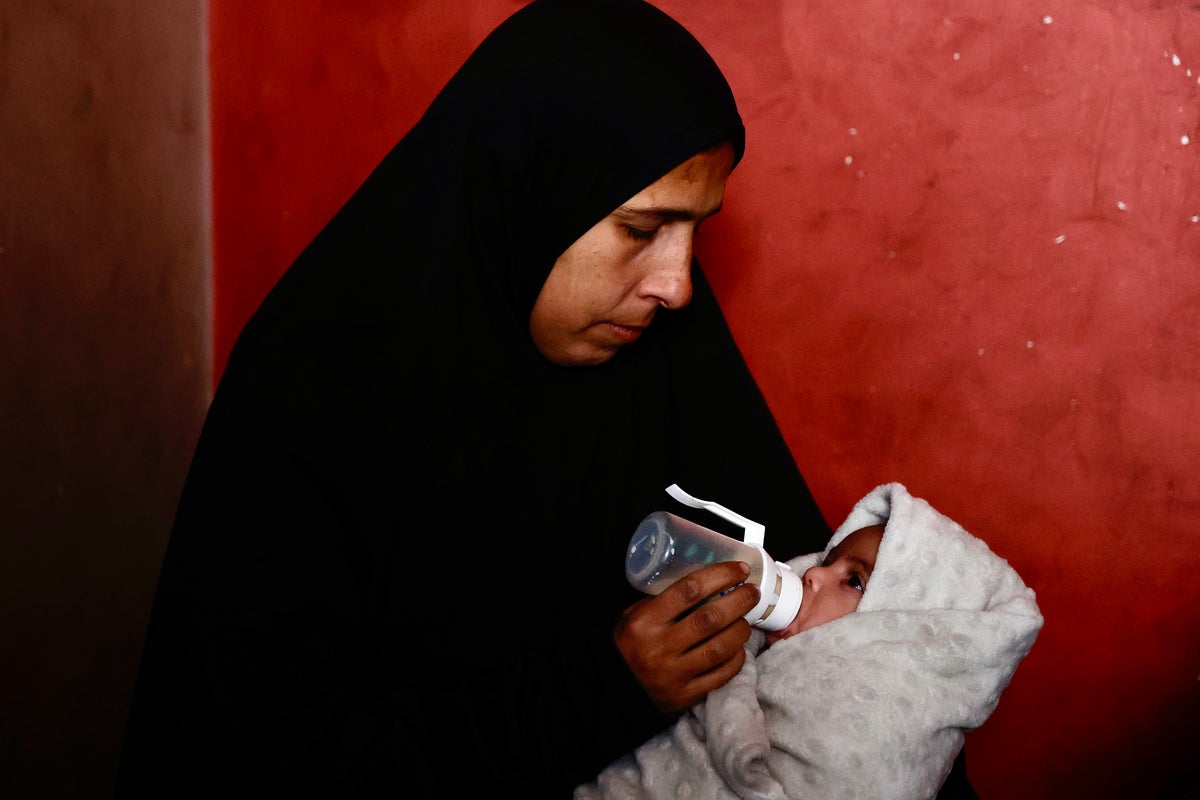
When Raneen faced a difficult labour in Gaza, she struggled to get an ambulance due to the ongoing conflict. A neighbour helped her find a horse-drawn cart to reach the hospital, where she gave birth to her daughter. Raneen had already lost her son and her husband was too ill to work, making her pregnancy challenging. She later found support from Wefaq, a women-led organization in Gaza, which provided her with essential assistance and care.
Wefaq, which offers legal aid, psychosocial support, and humanitarian aid, has helped over 50,000 people this year, doubling its reach compared to before the war. The conflict in Gaza was sparked by an attack by Hamas in Israel, leading to a devastating toll on both sides. Despite initial funding from the United States Agency for International Development (USAID), the support was abruptly cut off in 2025, impacting Wefaq's operations.
Buthaina Subeh, the director of Wefaq, highlighted the challenges faced after the funding cut, affecting the quality and scale of services provided. The organization had to find alternative sources of funding to continue its work, albeit at a reduced capacity. The closure of Gaza's Sharia courts further exacerbated the situation, leaving women without access to legal recourse for issues like divorce, custody, and inheritance.
Randa, a lawyer working with Wefaq, noted the increase in violence against women following the destruction of judicial institutions during the war. With courts suspended and legal systems in disarray, women struggled to assert their rights, leading to a rise in widows and high unemployment among women in Gaza. The targeting of Sharia courts has been viewed as part of a broader Israeli policy to dismantle Palestinian legal structures, a claim denied by Israel.
Nisreen, a psychotherapist at Wefaq, described the trauma and guilt experienced by women seeking support, many of whom were malnourished and emotionally distressed. Despite the challenges, Wefaq's local presence and dedicated staff have been crucial in providing essential services to women in need. The loss of USAID funding has impacted the organization's ability to support vulnerable women, highlighting the importance of sustained aid for humanitarian causes.
In conclusion, the ongoing conflict in Gaza has created immense challenges for women like Raneen, who face hardships during pregnancy and childbirth. Organizations like Wefaq play a vital role in providing support and assistance to women in crisis, but funding cuts and institutional collapse have hindered their efforts. The international community must prioritize women's rights and humanitarian aid to address the urgent needs of vulnerable populations in conflict-affected regions.