Trademarking Faces: A Legal Strategy Against AI Deepfakes
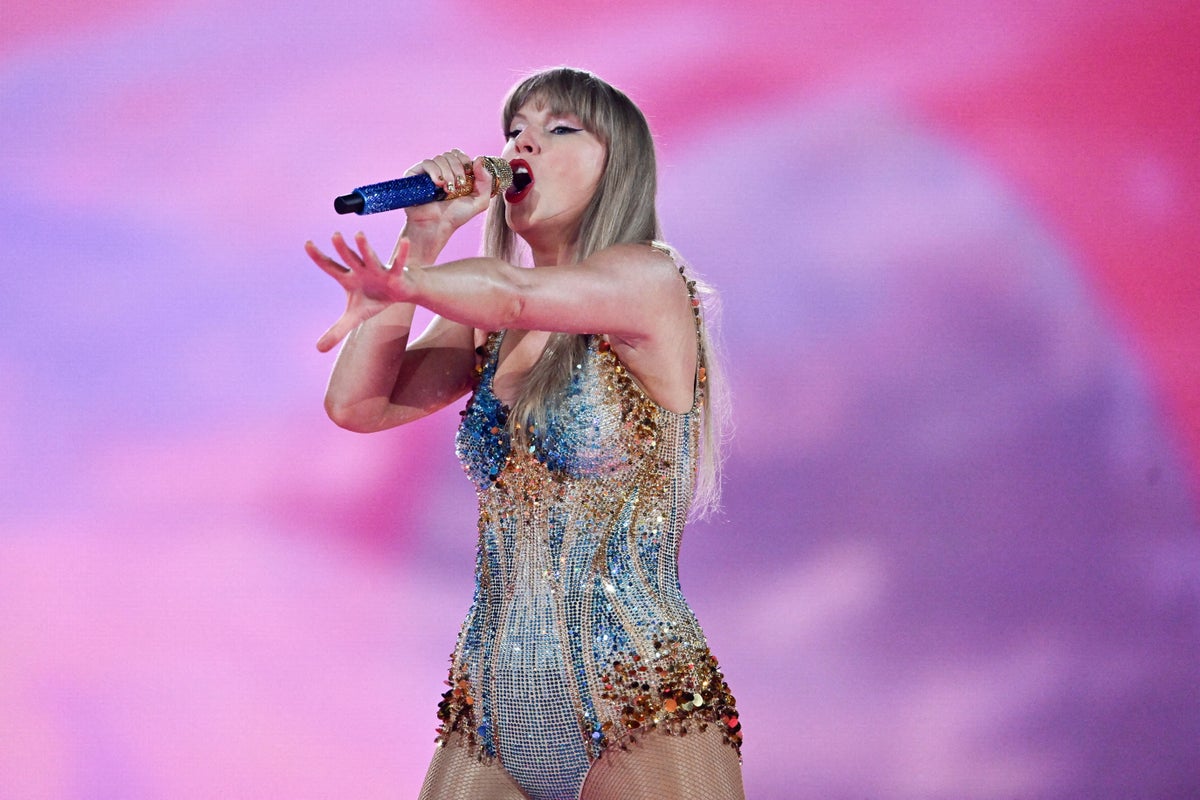
In 2024, Jeremy Clarkson's image was used in social media ads promoting a digital currency, but the former Top Gear host did not endorse the product. The ads were created using AI deepfakes, a technology that manipulates faces to deceive viewers. Clarkson, along with other celebrities like Taylor Swift, Cole Palmer, and Luke Littler, have taken the unusual step of trademarking their faces to combat unauthorized use of their likenesses.
Trademarking a face is a strategic move for celebrities to protect their brand identity. However, it may not be a foolproof solution against AI-generated deepfakes. Trademark law in the UK is primarily focused on business purposes, and filing a trademark without the intention to use it for commercial activities could lead to rejection. Additionally, the scope of protection provided by a face trademark may be limited to specific images and could become outdated with changes in appearance.
While trademarking faces can offer some level of protection against unauthorized use, it raises ethical and privacy concerns. The absence of image rights legislation in the UK has prompted celebrities to explore alternative ways to safeguard their image. Trademarks provide a legal avenue to address AI deepfake issues, but they are not a comprehensive solution.
Despite the efforts of high-profile individuals to trademark their faces, it is not a definitive defense against deepfakes. The UK government has taken steps to address non-consensual deepfake content, but legislation specifically targeting non-sexually explicit deepfakes is still being developed. It is crucial for policymakers to establish clear guidelines to address deepfake concerns beyond trademark registration.