Redrawing Boundaries: The Impact of Congressional Redistricting on Memphis Communities
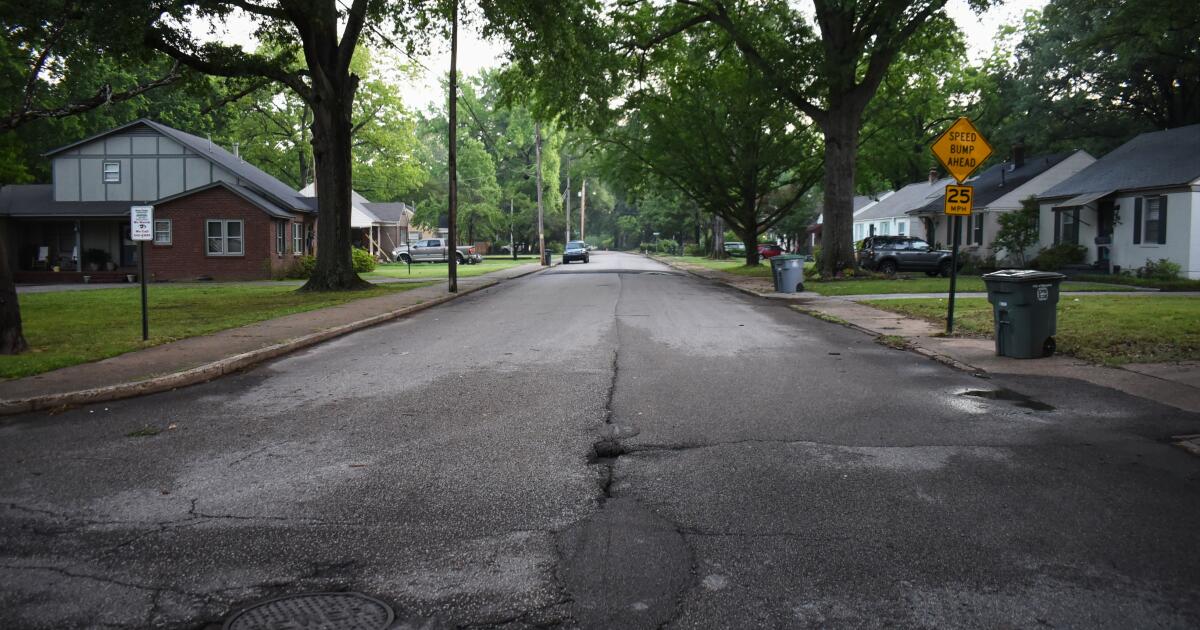
Steve Fowler and Sam Wilson, longtime bandmates and neighbors in Memphis, find themselves in different congressional districts due to a recent redistricting effort by Tennessee's Republican-controlled Legislature. The city, which previously had a Democratic-leaning U.S. House seat, is now divided into three Republican-leaning districts, affecting its majority-Black population. Fowler and Wilson, living across the street from each other, are now zoned into separate districts, highlighting the impact of the redrawn boundaries on their community.
The redistricting was prompted by a U.S. Supreme Court ruling that weakened a provision of the Voting Rights Act, allowing for the reshaping of congressional districts in Southern states. Tennessee was among the first states to finalize a new map, with other Southern states following suit in a broader partisan redistricting competition. Republicans aimed to eliminate Democratic-held, majority-minority congressional seats, leading to significant changes in the political landscape of these regions.
The new congressional map in Tennessee, designed to make all nine districts solidly Republican, has sparked controversy and legal challenges from Democrats and civil rights groups. The move has drawn criticism for its impact on minority representation and the historical significance of Memphis, a city with a rich civil rights legacy. Despite the challenges posed by the redistricting, residents like Wilson remain resilient, emphasizing the city's musical heritage and community spirit in the face of adversity.
Memphis, known for its vibrant music scene and civil rights history, faces a complex political landscape as it navigates the repercussions of the redistricting process. The city's relationship with the state Legislature in Nashville has been strained, with accusations of mismanagement and clashes over policy decisions. The new congressional districts may further exacerbate tensions between Memphis and other parts of the state, raising concerns about representation and resource allocation for the city's diverse population.
As Memphis residents grapple with the implications of the redrawn congressional boundaries, the city's unity and identity are at stake. The division of neighborhoods and communities across different districts could lead to challenges in advocacy and representation, as lawmakers may prioritize the needs of their constituents over those of Memphis residents. The ongoing legal battles and political debates underscore the importance of preserving the city's heritage and ensuring equitable representation for all its residents.
In conclusion, the redistricting of Memphis and other Southern cities has sparked a contentious debate over political representation and minority rights. The reshaping of congressional districts has raised concerns about the impact on diverse communities and the historical significance of cities like Memphis. As residents navigate the changing political landscape, the city's resilience and commitment to its cultural heritage remain central to its identity in the face of political challenges.