Fuel Supply Disruptions in Bangladesh: A Ride-Share Driver's Struggle
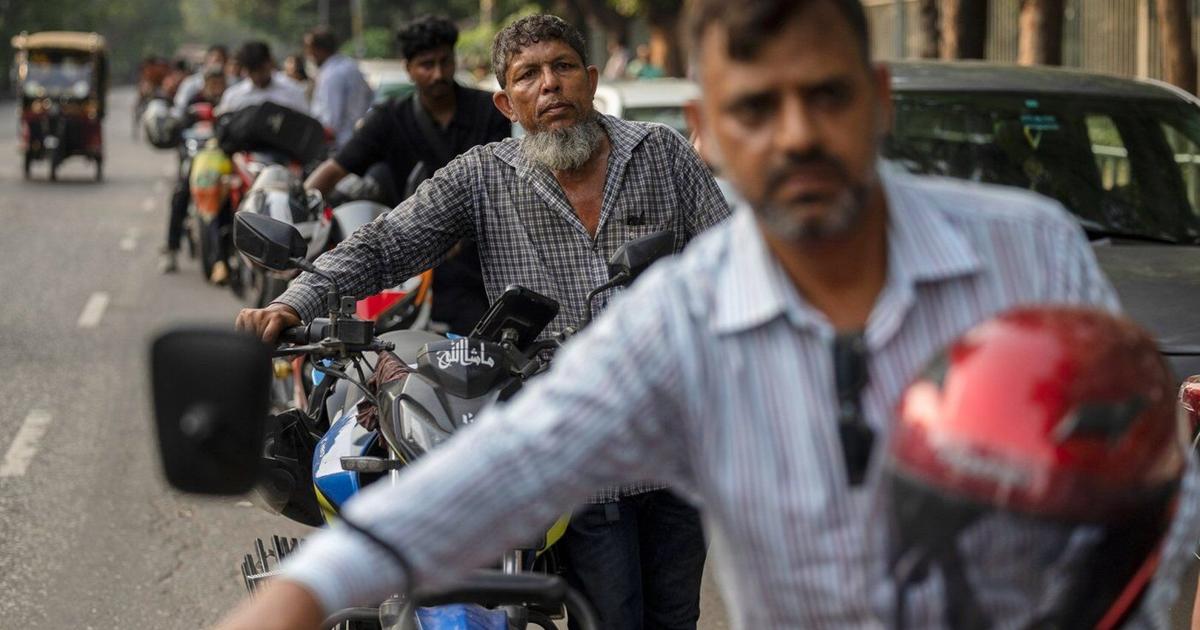
Tariqul Islam, a resident of Dhaka, Bangladesh, faced financial difficulties after his clothing business suffered setbacks. To make ends meet, he turned to ride-sharing on his motorbike. However, supply disruptions due to the war in Iran have led to long hours spent waiting in fuel lines, impacting his income significantly. The 53-year-old father of four is concerned about the prolonged effects of the war on his ability to support his family, including his children's education in Dhaka.
The ongoing fuel supply disruptions have created challenges for Tariqul Islam and other ride-share drivers in Bangladesh. The scarcity of fuel has resulted in long queues at petrol stations, forcing drivers to spend valuable time waiting for their turn. This situation has not only affected their daily earnings but has also made it difficult for them to meet their financial obligations and support their families in the capital city of Dhaka.
Tariqul Islam's experience highlights the broader impact of the war in Iran on individuals and businesses in Bangladesh. The uncertainty surrounding the availability of fuel has added to the financial burden faced by many, exacerbating the challenges of already struggling households. As the conflict continues, the ripple effects on the economy and livelihoods of people like Tariqul are likely to persist, posing a threat to their financial stability and well-being.
In conclusion, Tariqul Islam's story sheds light on the hardships faced by individuals in Bangladesh due to the fuel supply disruptions linked to the war in Iran. As ride-share drivers like him struggle to cope with the impact on their livelihoods, the need for sustainable solutions to address the challenges arising from the conflict becomes increasingly urgent. The ongoing situation underscores the importance of finding ways to mitigate the effects of external factors on the local economy and the well-being of the population.