Reviving Spirit Airlines: The Challenges and Opportunities of a Crowdfunding Campaign
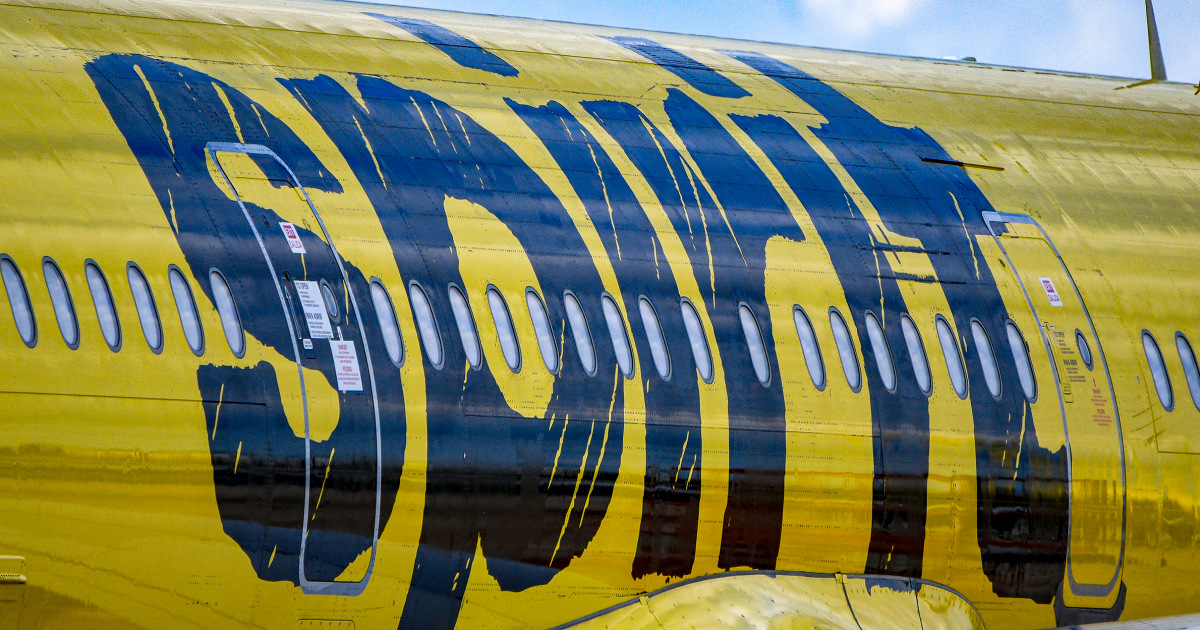
A crowdfunding campaign has gained momentum to revive the bankrupt airline, Spirit Airlines, after it announced its closure. The campaign, initiated by a 22-year-old content creator, aims to raise funds to purchase the airline and run it as a publicly owned entity. Despite the enthusiasm surrounding the idea, experts caution that the regulatory complexities and financial challenges associated with the airline industry may pose significant hurdles to the campaign's success.
The crowdfunding effort has garnered significant interest from the public, reflecting a shared desire to disrupt the traditional airline industry. While the campaign has received pledges totaling $214 million from over 240,000 individuals, experts emphasize the intricate nature of the airline business, involving various stakeholders, regulatory requirements, and financial considerations. The feasibility of turning this ambitious idea into reality remains uncertain due to the complex nature of the industry.
Experts point out that the process of registering an airline as a publicly traded entity with the Securities and Exchange Commission (SEC) is time-consuming and costly. The limitations of crowdfunding exemptions and the challenges associated with Spirit Airlines' bankruptcy further complicate the feasibility of the campaign. The airline's history of financial struggles, failed merger attempts, and substantial debt underscore the risks involved in attempting to resurrect the airline through crowdfunding.
The airline industry relies on revenue streams beyond ticket sales, such as branded credit cards and frequent-flyer programs, to ensure profitability. While the Spirit 2.0 campaign may attract investors and participants eager to be part of a transformative initiative, the practical challenges of sustaining a revived airline remain significant. Despite the optimism surrounding the campaign, the complexities of the aviation industry and the financial constraints of crowdfunding may ultimately limit the campaign's success.
In conclusion, the crowdfunding campaign to revive Spirit Airlines faces formidable obstacles due to the intricate regulatory landscape, financial constraints, and the airline's troubled history. While the campaign has generated widespread interest and support, the practical challenges of operating an airline as a publicly owned entity present significant hurdles. The future of Spirit Airlines remains uncertain, highlighting the complexities of attempting to disrupt the traditional airline industry through innovative crowdfunding initiatives.