Trump's Reversal on Military Mission in Strait of Hormuz: Impact on U.S.-Saudi Relations
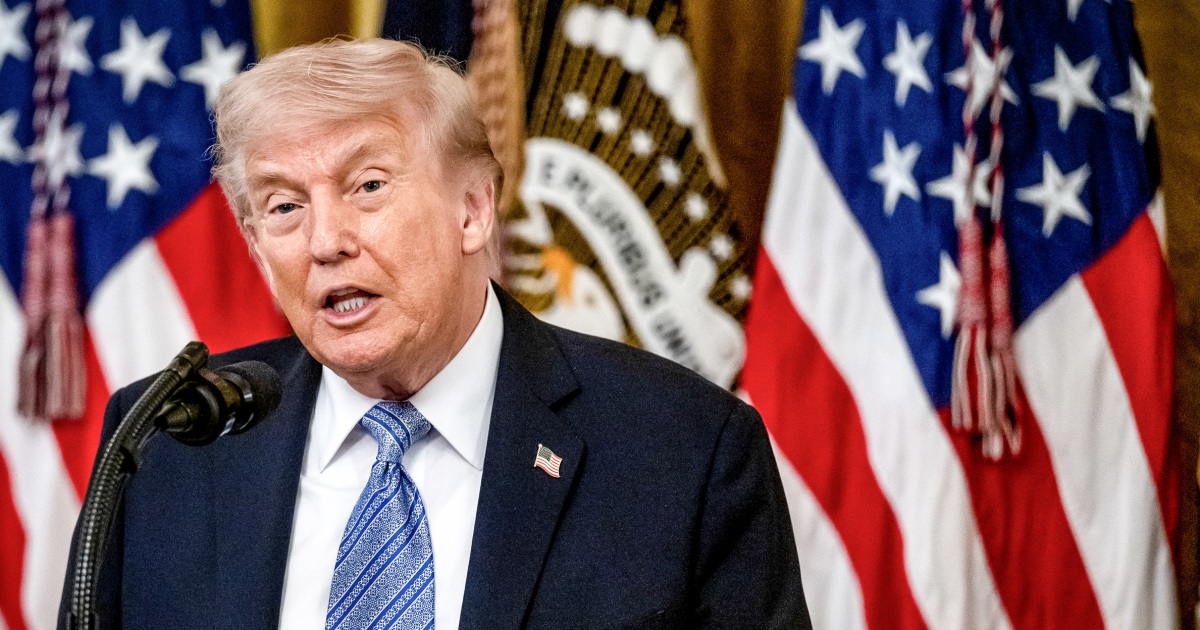
President Donald Trump's decision to reverse his plan for a military mission to escort ships through the Strait of Hormuz was influenced by a backlash from key allies, particularly Saudi Arabia. The abrupt change came after Saudi Arabia suspended the U.S. military's access to its bases and airspace for the operation. Trump's announcement of "Project Freedom" on social media surprised regional allies, leading to tensions with Saudi Arabia, which refused to allow U.S. military support from its bases and airspace. The situation prompted Trump to pause the operation to restore U.S. military access to critical airspace, affecting other Gulf allies as well.
The sudden halt to the military operation came after Trump's top national security leaders had been promoting the effort in public briefings. The decision to pause the operation was made following a call between Trump and Saudi Crown Prince Mohammed bin Salman, which did not resolve the issue. The move to restore U.S. military access to the region was necessary to address the concerns raised by Saudi Arabia and other close Gulf allies. The situation highlights the complexities of U.S. and Iran's efforts to reach a peace deal and resume shipping in the Strait of Hormuz.
In Los Angeles, high gas prices have long been a challenge for residents, impacting transportation options and daily life. The city's struggles with expanding public transportation have forced many to rely on driving, despite the costs. The economic impact of high gas prices is felt by workers in industries like tourism and home services, who face challenges in maintaining their businesses and serving customers. The situation reflects broader issues with transportation and economic pressures in Los Angeles and across the country.
Former Vice President Kamala Harris is considering another presidential run and has been engaging with donors and fellow Democrats about her political future. Harris is open to a public review of her failed 2024 campaign and has been actively involved in political affairs, developing a policy platform and touring the country. While she has not officially announced a bid for the presidency, Harris is laying the groundwork for a potential run and addressing the shortcomings of her previous campaign.
Reform UK, a hard-right political party in Britain, is expected to make significant gains in local municipal races in England, Wales, and Scotland. The party's anti-immigration, anti-green, tax-cutting agenda has resonated with voters, particularly in economically deprived areas like the South Wales Valleys. Nigel Farage, a key figure in Reform UK, aims to challenge the political mainstream and address voters' concerns about economic issues and industrial decline. The election results will serve as a test of the party's appeal and its impact on mainstream politics in the UK.
Guy Shoemaker, a retired Army sergeant first class, faced a health crisis when he was diagnosed with throat cancer in 2021. Shoemaker, who had pitched military service to recruits with the promise of healthcare for life, relied on the military's health care program, TRICARE, for his treatment. His experience with cancer has raised questions about the healthcare system and the promises made to military personnel regarding lifelong healthcare coverage.