Revising Regulations on PFAS in Drinking Water: Trump Administration's Proposed Changes
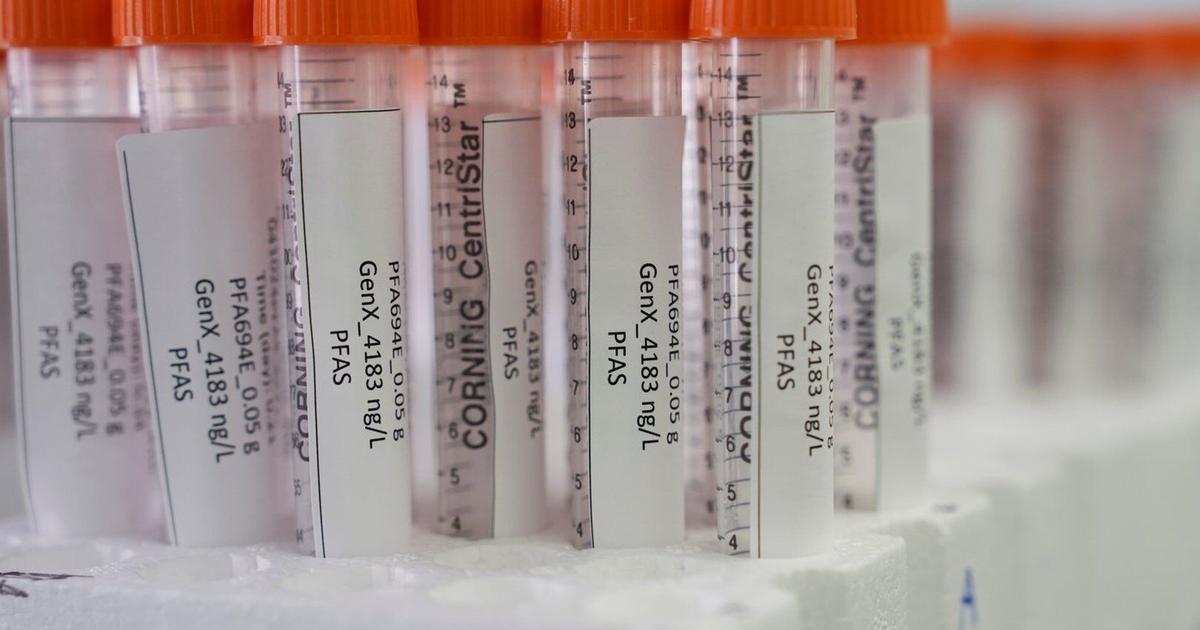
The Trump administration is set to introduce changes to the regulations on "forever chemicals" in drinking water, aiming to relax the stringent limits imposed by the Biden administration. The proposed changes will maintain strict standards for two common types of these chemicals while removing restrictions on some less common variants. This move is part of the administration's efforts to revise the initial limits set by the previous administration, which were designed to address health risks associated with PFAS exposure.
The upcoming proposal marks the beginning of the formal process to amend the regulations on PFAS in drinking water that were established under the Biden administration. These regulations were put in place to address concerns about the health impacts of PFAS exposure, including an increased risk of cardiovascular disease, certain types of cancer, and adverse effects on newborns' birth weight. The Trump administration's proposed changes aim to modify these limits to strike a balance between health protection and regulatory flexibility.
The Environmental Protection Agency (EPA) official revealed that the proposed changes will maintain stringent standards for two common types of PFAS while eliminating restrictions on certain less prevalent forms of the chemicals. This adjustment is intended to address concerns raised by industry groups and some lawmakers about the economic impact of complying with the existing regulations. By revising the limits on PFAS in drinking water, the administration seeks to ensure that public health is safeguarded while considering the practical implications for affected industries.
In conclusion, the Trump administration's forthcoming proposal to soften the limits on "forever chemicals" in drinking water reflects a shift in regulatory approach from the previous administration. By revising the standards for PFAS in drinking water, the administration aims to strike a balance between protecting public health and addressing concerns about the economic impact on industries. This proposed change signals a potential shift in environmental policy that will be closely monitored by stakeholders and the public.