Coastal Rockslides and Glacier Retreat: Mitigating Tsunami Risks in Fjord Regions
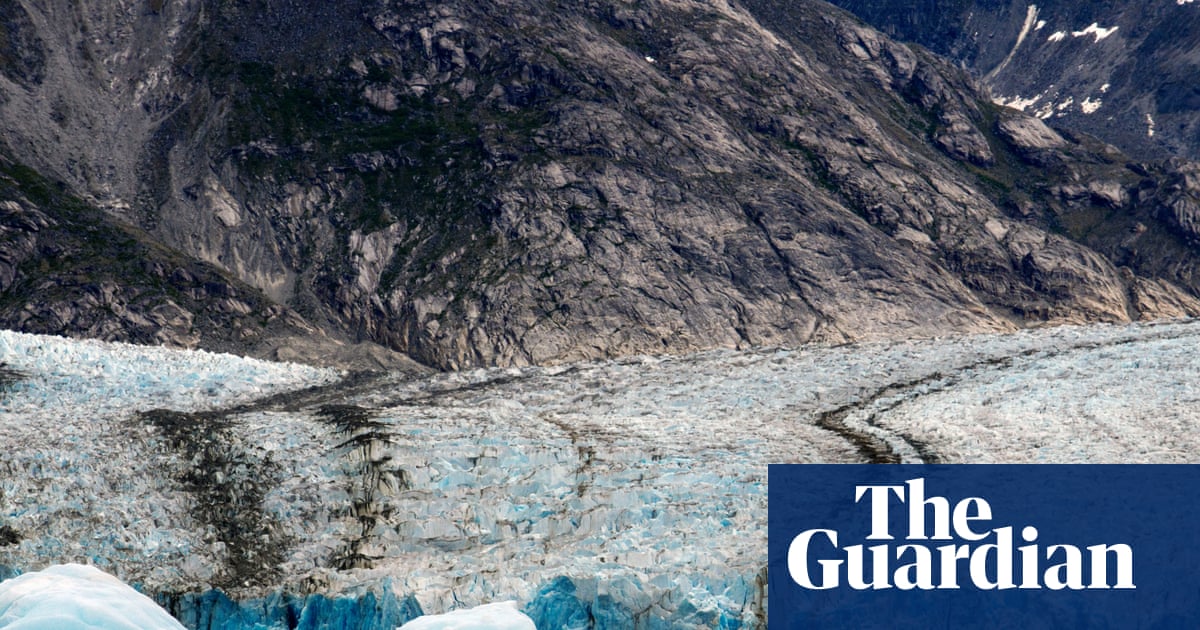
A recent study has highlighted the dangers posed by coastal rockslides and glacier retreat in the face of the climate crisis, following a mega tsunami that struck the Tracy Arm fjord in Alaska last year. The tsunami, which reached a height of 481 meters, was triggered by a massive rockslide near a glacier toe. The event, which occurred in the early hours of the morning, narrowly missed several cruise ships that frequent the area.
The potential consequences of the tsunami were significant, as the area is a popular destination for cruise ships and other vessels. Eyewitness accounts described the far-reaching effects of the tsunami, with water surging past campsites and vessels located kilometers away from the landslide site. The study also highlighted the seismic impact of the event, with long-period seismic waves equivalent to a 5.4 magnitude earthquake.
Researchers emphasized the need for increased awareness and mitigation measures in the face of similar events in the future. With the increasing popularity of cruise ship visits to fjord regions and the ongoing effects of climate change, the risk of landslide-generated tsunamis is on the rise. The study called for improved monitoring of unstable slopes, realistic tsunami modeling, and enhanced protection for local communities and critical infrastructure.
The Tracy Arm mega tsunami serves as a stark reminder of the potential risks associated with coastal rockslides and glacier retreat in the context of the climate crisis. As cruise ship visits to fjord regions continue to increase and glaciers retreat at an accelerated pace, the likelihood of similar events occurring in the future is a growing concern. It is crucial to implement effective risk mitigation measures and enhance protection for vulnerable areas to prevent potential disasters.