Antarctica Tourism: Balancing Beauty and Conservation in a Fragile Ecosystem
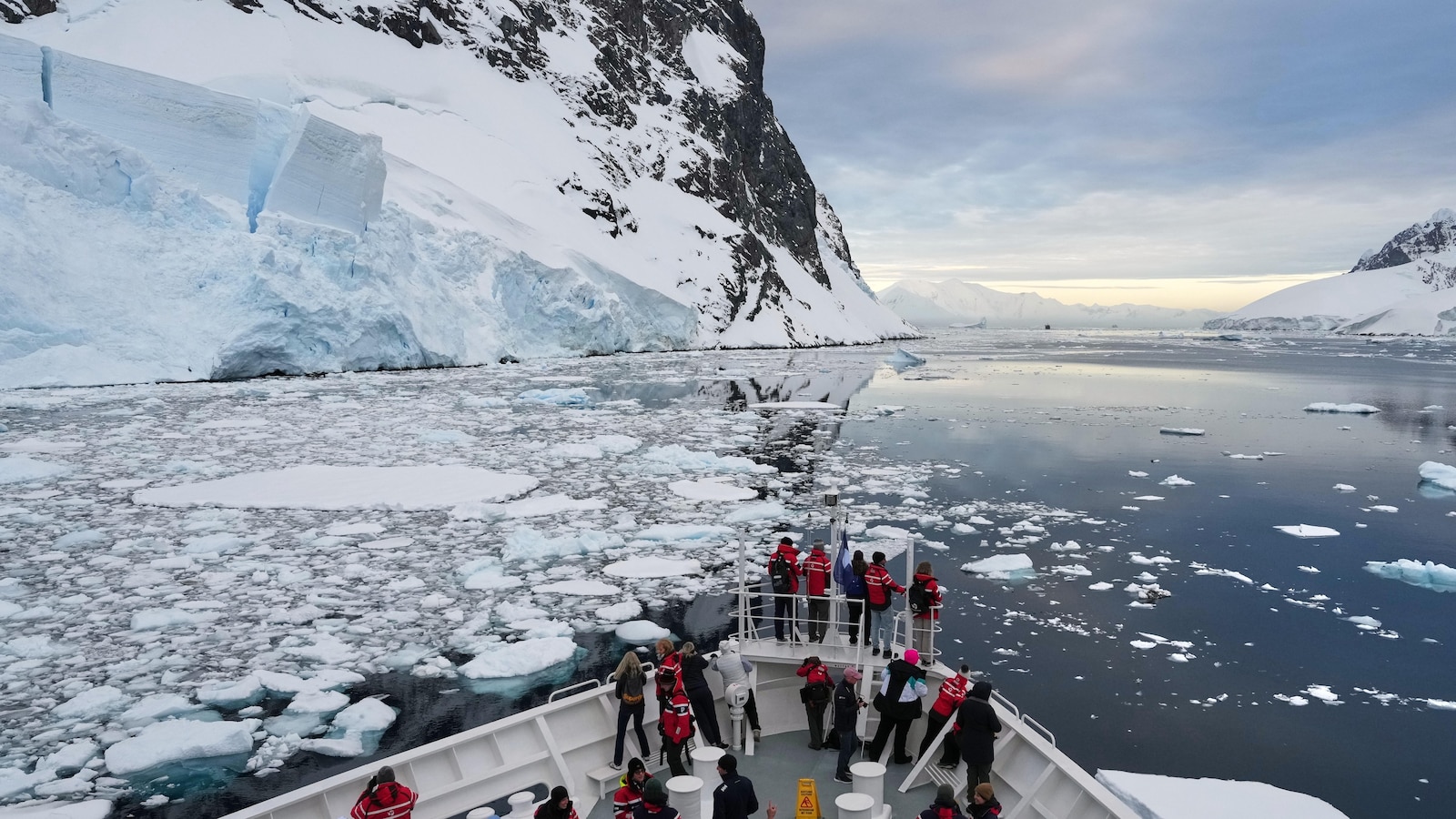
Antarctica has become a popular destination for tourists seeking to witness its unique and stunning landscapes, wildlife, and icebergs. The continent's appeal has led to a significant increase in tourism, with more than 80,000 tourists visiting in 2024, according to data from the International Association of Antarctica Tour Operators. This surge in visitors has raised concerns among scientists and environmentalists about the potential risks of contamination, illness, and damage to the fragile ecosystem.
The Antarctic Peninsula, a rapidly warming region, is a common destination for expeditions. The melting of Antarctic ice has been a cause for alarm, with approximately 149 billion metric tons (164 billion tons) of ice melting per year from 2002 to 2020, as reported by NASA. Despite the high costs and time required to reach Antarctica, the number of tourists has grown significantly in recent years, prompting experts to warn about the impact of increased tourism on the continent.
Tourists are drawn to Antarctica for its unparalleled beauty and the opportunity to witness its wildlife up close. However, the influx of visitors has raised concerns about the potential spread of diseases and contamination. In recent years, migratory birds have brought avian flu to Antarctica, highlighting the need for strict rules and guidelines to protect both visitors and the environment. Tourists are required to adhere to hygiene protocols and avoid contact with animals to prevent the introduction of invasive species and diseases.
As tourism to Antarctica continues to grow, experts predict that the number of visitors could triple or quadruple in the next decade. Technological advancements and the availability of ice-capable ships are expected to make the continent more accessible to tourists. However, the increase in tourism also raises questions about the sustainability and conservation of Antarctica's unique ecosystem. Strengthening regulations and protections for the continent's wildlife and environment will be crucial to ensure that tourism does not harm this pristine wilderness.
In conclusion, the rise in tourism to Antarctica has brought both opportunities and challenges. While visitors are captivated by the beauty of the continent, there is a pressing need to balance tourism with conservation efforts to protect Antarctica's delicate ecosystem. By implementing strict guidelines and regulations, we can ensure that future generations can continue to experience the wonders of this frozen frontier while safeguarding its natural treasures.