Title: "Political Turmoil in Romania: Prime Minister Bolojan Faces No-Confidence Motion
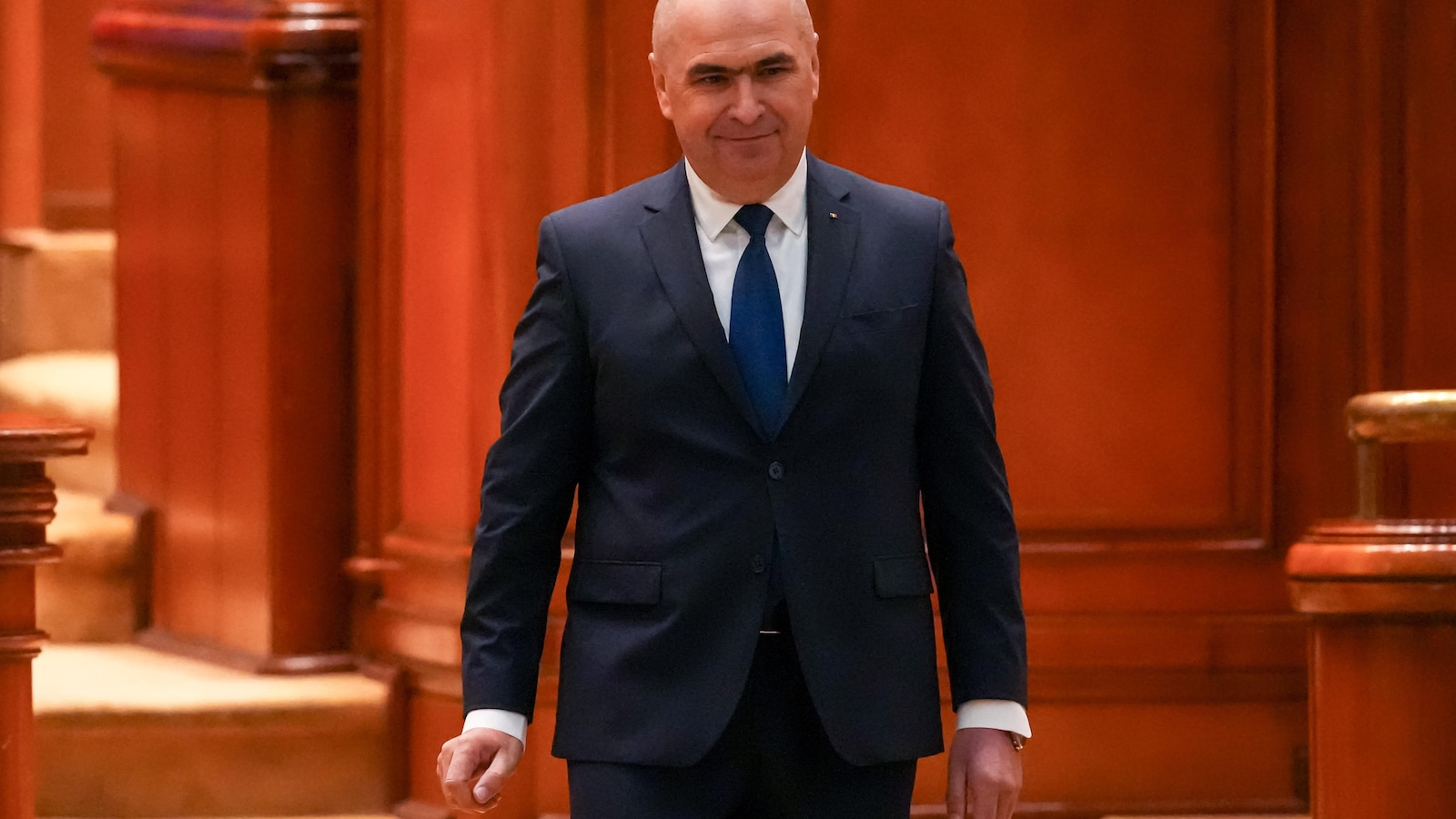
The Romanian Prime Minister, Ilie Bolojan, is currently facing a no-confidence motion in Parliament. The motion was initiated by the leftist Social Democratic Party (PSD) and the hard-right Alliance for the Unity of Romanians party (AUR), aiming to bring down the pro-European government less than a year after it took office. The motion requires at least 233 votes to pass, and both the PSD and AUR have expressed confidence in garnering enough support for it.
Bolojan, a member of the center-right National Liberal Party (PNL), criticized the motion as "cynical and artificial," emphasizing that it fails to consider the challenging circumstances facing the country. He defended his government's actions, highlighting the tough but necessary fiscal measures taken to address issues such as the budget deficit, inflation, and recession. The political instability in Romania has been exacerbated by disagreements over austerity measures and economic reforms.
The potential ousting of Bolojan could lead to the formation of a new government, with the PSD likely playing a crucial role in establishing a pro-European parliamentary majority. However, the prospect of a coalition with AUR remains uncertain, as the PSD has previously rejected such a partnership. The ongoing political crisis has raised concerns about the country's future direction and the ability to address pressing challenges effectively.
Political consultant Cristian Andrei predicts a prolonged period of indecision and potential stalemate following Bolojan's potential removal, as no party currently commands a clear majority. The process of forming a new government could be complex, with options including a reshuffled coalition without Bolojan or a minority Cabinet led by the PSD and other smaller parties. The situation is further complicated by the upcoming general election in 2028 and the need to navigate power-sharing agreements and political alliances.
In conclusion, the no-confidence motion against Prime Minister Bolojan reflects the deep-seated political divisions and challenges facing Romania. The outcome of the parliamentary vote and the subsequent government formation process will have significant implications for the country's future trajectory and ability to address pressing economic and social issues. The ongoing uncertainty underscores the need for political stability and effective governance to navigate the complex challenges ahead.