Visa Revocations at La Nación: Allegations of Political Interference and Press Freedom Concerns
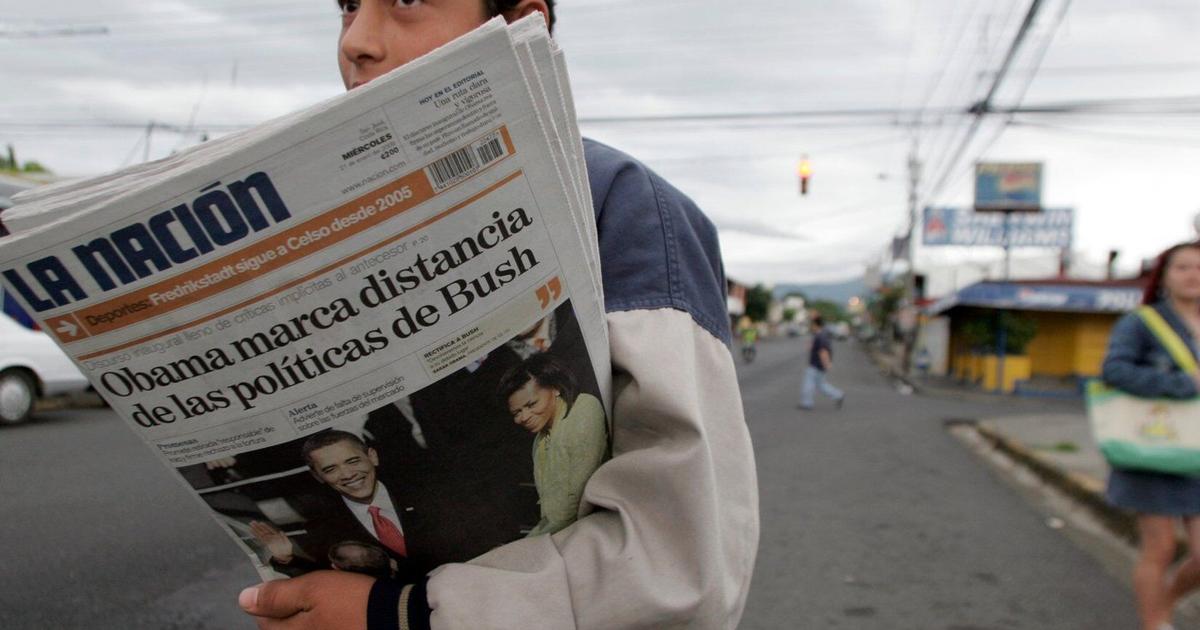
The United States has recently revoked the visas of several board executives at La Nación, a prominent media outlet in Costa Rica. This action has sparked allegations that the U.S. and the Costa Rican government are collaborating to target critics and political adversaries. The affected board members were informed of the visa revocation through reports in pro-government media, as stated in a front-page statement by the board of directors of La Nación.
The decision to revoke the visas of the board executives has raised concerns about potential political motivations behind the move. Critics have accused the U.S. and the Costa Rican government of using visa revocations as a means to silence dissent and punish those who oppose their policies. The timing of the visa revocations has also fueled suspicions of political interference in the media landscape of Costa Rica.
La Nación, known for its independent journalism and critical coverage of government actions, has faced increasing pressure and scrutiny in recent years. The visa revocations of its board executives have further intensified the debate over press freedom and government accountability in Costa Rica. The actions taken by the U.S. and the Costa Rican government have drawn criticism from various quarters, with calls for transparency and respect for freedom of the press.
The visa revocations at La Nación have underscored the challenges faced by media outlets in maintaining their independence and editorial integrity. The incident has highlighted the importance of safeguarding press freedom and ensuring that journalists and media organizations can operate without fear of reprisal or censorship. The ongoing debate surrounding the visa revocations serves as a reminder of the vital role that a free and independent media plays in a democratic society.