Strait of Hormuz Confrontation: Global Energy Crisis Escalates
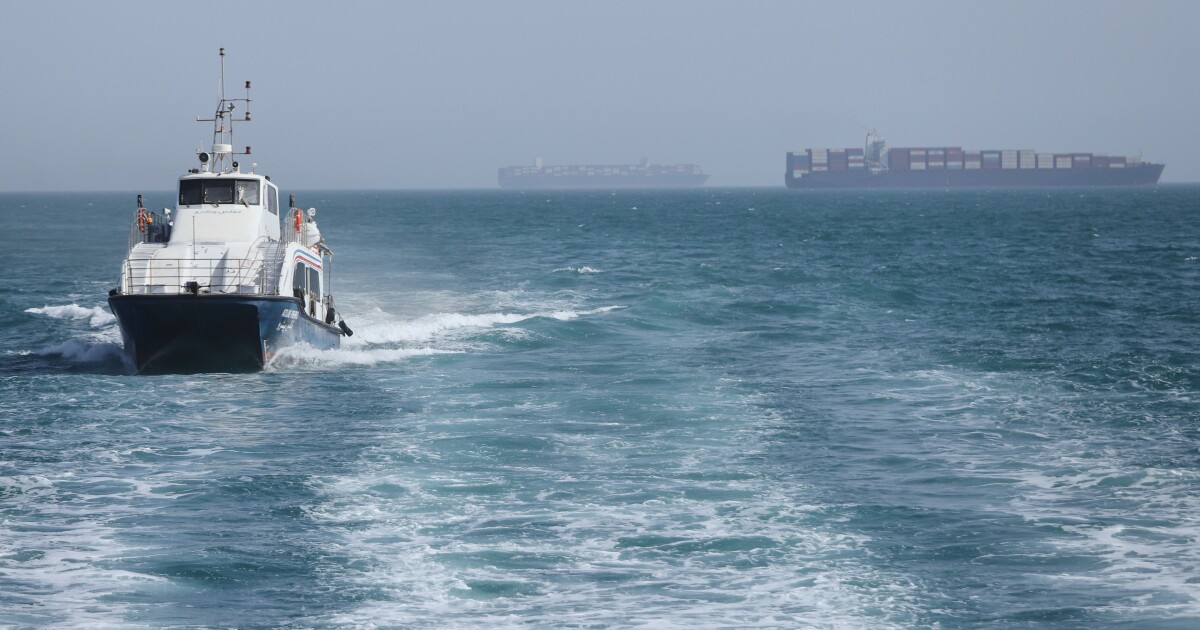
The U.S. military engaged in a confrontation with Iranian forces in an attempt to reopen the Strait of Hormuz. The United Arab Emirates reported being attacked by Iran for the first time since a ceasefire in early April. The attacks were seen as a response to President Donald Trump's initiative to reopen the critical waterway for global energy. The UAE Defense Ministry stated that Iran launched cruise missiles and a drone attack, causing damage to an oil facility and two cargo vessels.
Efforts to break Iran's control over the strait could alleviate global economic concerns but also risk escalating the conflict that began when the U.S. and Israel attacked Iran in February. The closure of the strait by Iran has led to increased fuel prices worldwide and disrupted the global economy. The U.S. military successfully cleared a passage through the strait, defeating Iranian threats, including cruise missiles, drones, and small boats.
President Trump's "Project Freedom" aimed to assist stranded seafarers in the Persian Gulf due to the ongoing conflict. Iran criticized the U.S. initiative, calling it part of Trump's "delirium." The UAE condemned the Iranian aggression and called for an immediate halt to the attacks. The situation escalated with missile alerts issued in the UAE, and commercial planes redirected midair.
The attacks on Fujairah, an important oil facility, and the disruption of the strait have raised concerns about the safety of shipping in the region. The UAE and Iran exchanged accusations of aggression, with Iran warning foreign military forces against entering the strait without coordination. The conflict has impacted global shipping and oil trade, with the U.S. enforcing a naval blockade on Iranian ports to pressure Tehran.
The ongoing tensions between the U.S., Iran, and their allies have led to a volatile situation in the region. The proposal for ending the conflict includes lifting sanctions, ending the blockade, and withdrawing forces from the region. However, the diplomatic efforts face challenges due to changing demands and unresolved issues related to Iran's nuclear program. The future of the negotiations remains uncertain as both sides assess the proposals and their implications.