Exploring the Nutritional Benefits of Cheese: From Cheddar to Cottage Cheese
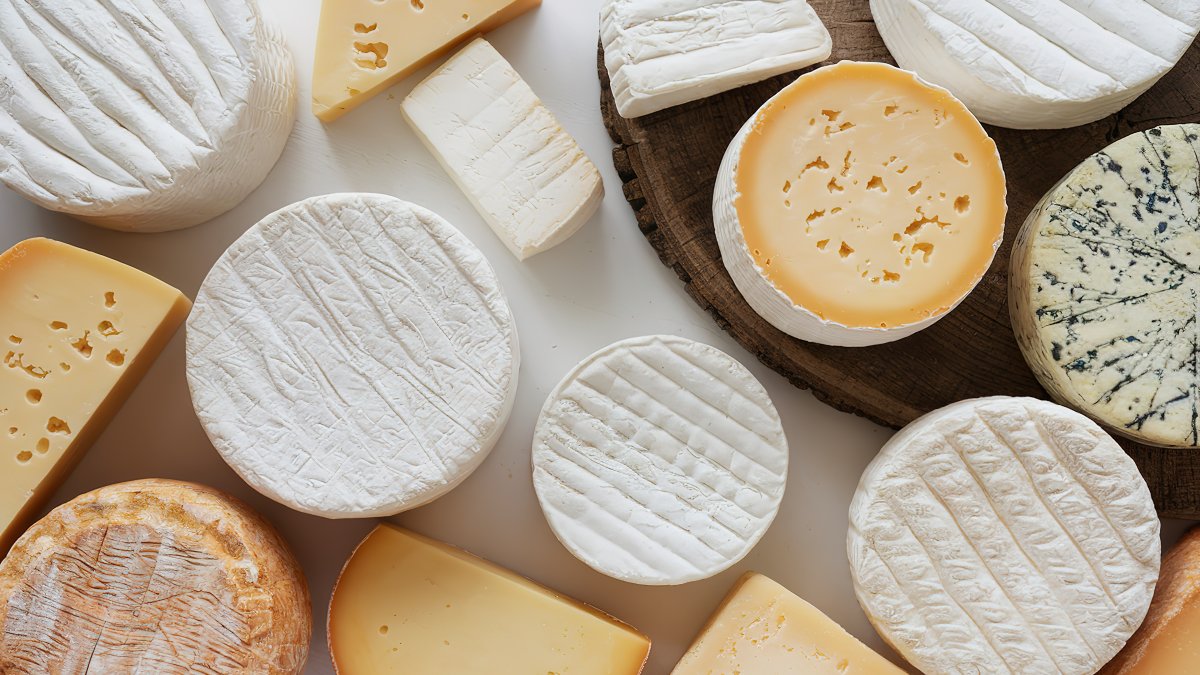
Cheese is a versatile and protein-packed food that can be enjoyed in various ways, whether on its own, in sandwiches, or as part of a meal like pizza or lasagna. Americans consume an average of 42 pounds of cheese per person each year, with cottage cheese gaining popularity, as the average American now consumes over two pounds of it annually. The Dietary Guidelines for Americans recommend consuming full-fat dairy products like cheese, with some studies suggesting that high-fat cheeses like cheddar, brie, and gouda may even lower the risk of dementia.
Cheese has a long history, dating back over 4,000 years, and there are now over 2,000 varieties available. While early studies linked high saturated fat intake from dairy to heart disease, more recent research indicates that cheese consumption may not be as detrimental to health as previously thought. Cheese is considered nutrient-dense and has been found to have neutral to moderate benefits for human health. It contains essential nutrients like protein, calcium, vitamin A, and B vitamins, making it a valuable addition to a healthy diet.
Registered dietitians emphasize that cheese can be part of a balanced eating plan, providing important nutrients like protein and calcium. While cheese is high in saturated fat and sodium, it also offers health benefits such as promoting satiety, muscle growth, and bone health. Some studies suggest that higher cheese intake may be linked to a reduced risk of conditions like sleep apnea and could contribute to mental well-being and healthy aging.
When it comes to choosing the healthiest cheese options, cottage cheese is often recommended due to its lower saturated fat content and higher protein levels. Other healthy choices include soft cheeses like ricotta or mozzarella, which are made from low-fat or skim milk. Hard cheeses like Parmesan, cheddar, and Swiss are lower in lactose, making them suitable for individuals with lactose sensitivities. Overall, moderation is key when consuming cheese, and it can be enjoyed as part of a balanced diet.
In conclusion, cheese is a versatile and nutritious food that can be included in a healthy eating plan. While some varieties may offer specific health benefits, all types of cheese can be enjoyed in moderation as part of a balanced diet. Consider incorporating different types of cheese into your meals to enjoy their unique flavors and nutritional benefits.