Controversy in New Orleans: The Battle Over the Clerk of Criminal Court Position
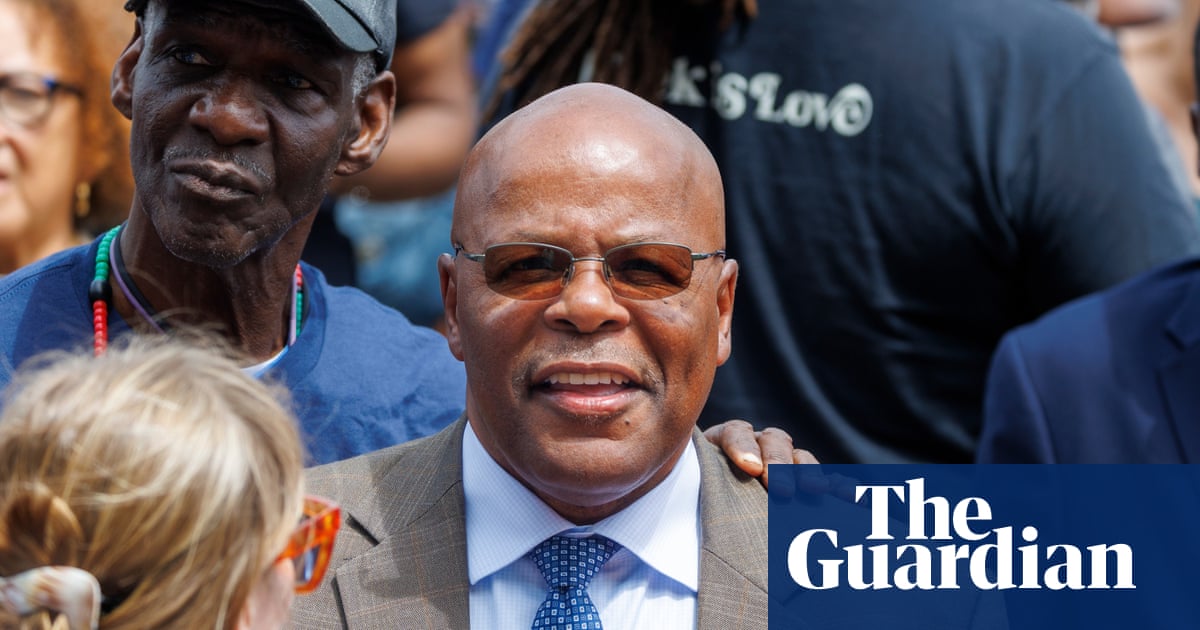
Louisiana Republicans recently passed a law eliminating an elected position in New Orleans just days before Calvin Duncan, a Democratic exoneree, was set to take office as the clerk of the criminal district courthouse. The move was seen as an effort to consolidate the local judicial system and reduce costs, but Democrats criticized it as government overreach. Duncan, who spent nearly 30 years wrongfully imprisoned, won the election by a large margin and was able to take office as scheduled after a federal judge ruled the law unconstitutional.
The decision to abolish the clerk of criminal court position sparked controversy, with Duncan and his supporters arguing that it undermined the voters' choice. The move was seen as targeting Duncan, who has been vocal about reforming the system that failed him. Republicans defended the legislation as a cost-saving measure and part of a broader effort to overhaul the judiciary in New Orleans. The consolidation of the civil and criminal court clerks' offices was intended to streamline operations and improve efficiency.
The legislation faced criticism for potentially disenfranchising voters and undermining the will of the people, particularly in a city with a predominantly Black electorate. The move to eliminate Duncan's elected office raised concerns about the impact on future elections and the democratic process. Despite the controversy, Republicans defended the decision as necessary for government efficiency and cleaning up a system plagued by dysfunction and corruption.
The debate over the legislation highlighted the tensions between political parties and the challenges of balancing cost-saving measures with democratic principles. The legal battle over the law's constitutionality and its implications for future elections underscored the broader issues at stake. The outcome of the case could have far-reaching consequences for the electoral process in Louisiana and beyond.
In conclusion, the controversy surrounding the elimination of the clerk of criminal court position in New Orleans has raised important questions about democracy, representation, and government accountability. The clash between Republicans and Democrats over the legislation reflects deeper divisions within the state and the country as a whole. The outcome of this legal battle will have implications for the future of elections and governance in Louisiana, underscoring the need for a robust and transparent democratic process.