Challenging Media Narratives: Taj Jackson Advocates for Legal Reform to Protect Deceased Public Figures' Legacies
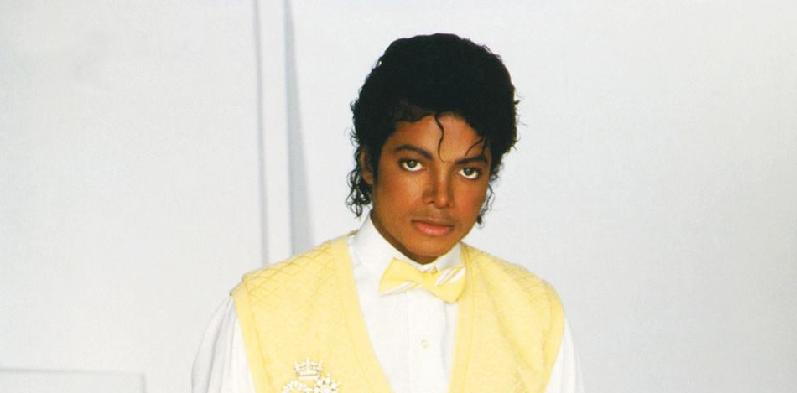
Taj Jackson has recently spoken out against a controversial article from The Wall Street Journal that labeled Michael Jackson as a "stone cold pedophile," sparking a heated debate about how the media portrays deceased public figures. The article's framing led to widespread criticism online, with fans arguing that the singer's legacy is unfairly targeted. The discussion expanded to encompass broader topics such as journalism ethics, accountability, and the challenges of reporting on historical allegations involving individuals who are no longer alive.
In response to a suggestion of legal action against the publication, Taj expressed concerns about the legal system's limitations in protecting the reputation of deceased individuals. He highlighted the lack of laws safeguarding the dead against defamation, slander, or libel, calling for urgent changes to address this issue. Taj, known for his involvement in the R&B/pop group 3T and as a defender of his uncle Michael Jackson's legacy, has been vocal about challenging negative media narratives surrounding the family.
The promotion of The Wall Street Journal article on social media further fueled the backlash, with many users disputing the characterization of Michael Jackson as a pedophile. Taj criticized the journalist, Maureen Orth, questioning her credibility and referencing past controversial claims made in her articles. The public response on social media was divided, with some criticizing media priorities and others defending the reporting.
Taj's main focus has been on highlighting the legal gap that prevents families of deceased public figures from taking action against damaging or false claims. He emphasized the need for reform to address this imbalance and ensure that families have recourse against potentially harmful allegations. Despite facing multiple allegations of sexual abuse, Michael Jackson was acquitted in a criminal case in 2005 and was never criminally convicted of child sexual abuse. His death in 2009 was ruled a homicide due to acute propofol intoxication, leading to the conviction of his personal physician, Conrad Murray, for involuntary manslaughter.
The ongoing debate surrounding the portrayal of Michael Jackson in the media underscores the complexities of reporting on historical allegations and the challenges faced by families of deceased public figures in defending their legacies. Taj's advocacy for legal reform highlights the need for greater protection against defamatory claims targeting individuals who can no longer defend themselves.