Navigating Oil Supply Challenges: California's Response to the Middle East Conflict
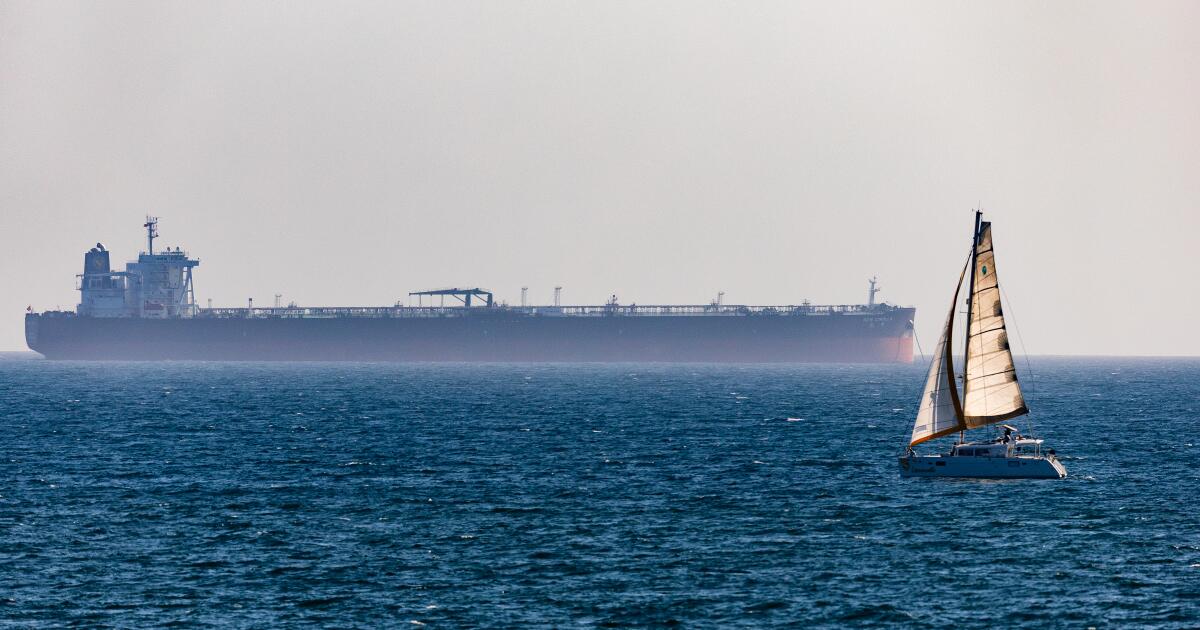
The latest oil tanker to reach the Port of Long Beach in California is the New Corolla, carrying 2 million barrels of crude oil from Iraq. This shipment is crucial for producing gasoline, jet fuel, and diesel in the state. With the ongoing conflict in the Middle East disrupting oil supplies, California is facing challenges in replacing the 200,000 barrels of oil it receives daily from the Persian Gulf.
California's own oil production has been declining due to aging fields and high drilling costs. The state heavily relies on imports, as its refining capacity is decreasing. The closure of the Strait of Hormuz has raised concerns about potential oil and gas shortages in California, especially with gasoline prices exceeding $6 per gallon.
Despite the disruptions caused by the conflict, California has managed to maintain steady oil deliveries from various countries, including Iraq and Saudi Arabia. However, if the strait remains closed, the state will need to find alternative sources of oil. Refineries are exploring options to import oil from countries like Ecuador, Canada, and Brazil to compensate for the loss of Persian Gulf oil.
California lawmakers are warning of possible oil and gas shortages in the coming months. The California Energy Commission is closely monitoring the situation and working with refiners to secure alternative sources of crude oil. While the state currently has healthy oil inventories, the drawdown of these reserves could pose challenges in the future.
The closure of the Strait of Hormuz has disrupted oil shipments to California, prompting refiners to seek alternative sources of crude oil. Countries like South Korea and India have reduced their fuel exports, affecting California's gasoline supply. The state is expected to increase gasoline imports in the coming months to address the changing supply dynamics resulting from the conflict in Iran.
As California navigates the challenges posed by the conflict in the Middle East, experts suggest that investing in electric vehicles and infrastructure could help reduce the state's dependence on global oil markets. By diversifying its energy sources and promoting sustainable transportation solutions, California can mitigate the impact of oil price volatility and supply disruptions in the future.