Extremist Exploitation: White Supremacists and Militias in the Aftermath of Natural Disasters
A recent wave of tornados wreaked havoc across multiple states, leaving a trail of destruction in its wake. With over 200 tornados hitting more than 20 states in a concentrated period, the aftermath of these natural disasters has drawn attention to the emergence of militias, conspiracists, and white supremacists offering assistance to affected communities. These groups, often labeled as disaster tourists, have been accused of exploiting such situations to undermine government authorities, improve their public image, and recruit followers.
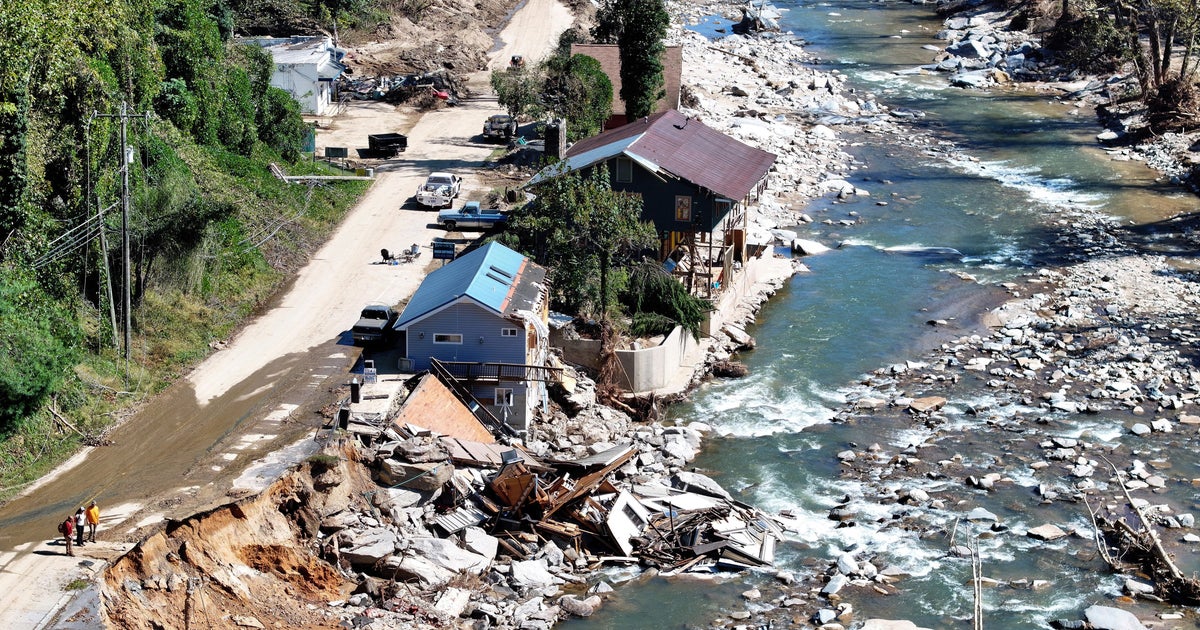
In September 2024, Hurricane Helene unleashed its fury on North Carolina, nearly obliterating the town of Bat Cave and causing widespread devastation. Sheriff Lowell Griffin faced the monumental task of coordinating rescue efforts amidst the chaos brought on by the hurricane and subsequent heavy rains. However, the situation was further complicated by the influx of external groups, including anti-government and far-right organizations, seeking to impose their own form of law and order in the affected areas.
Among the groups that descended upon North Carolina were members of the white nationalist organization Active Club, founded by Robert Rundo as a platform for like-minded individuals to engage in physical training and promote their extremist ideology. With a growing network of chapters across the country, Active Club has been identified as a rapidly expanding white supremacist network that espouses anti-Semitic, anti-immigrant, and anti-democratic views. Despite their claims of providing assistance during disasters, their underlying agenda appears to be focused on recruitment and propaganda dissemination.
While some white supremacist groups like Patriot Front engaged in relief efforts such as tree removal and distributing supplies in North Carolina, watchdog organizations like the Western States Center have highlighted their ulterior motives of using natural disasters as opportunities to generate social media content and attract followers. Unlike established relief organizations that collaborate with local authorities and provide sustained support, these extremist groups often engage in what has been termed as "disaster tourism," where they exploit crises for self-promotion before moving on.
The appeal of natural disasters as a platform for spreading their message lies in the widespread attention these events garner from the public. By presenting a more sanitized and mainstream image, white nationalist groups like Active Club aim to appeal to a broader audience and distance themselves from overtly provocative symbols and actions that might alienate potential supporters. This strategic rebranding, coupled with the use of social media to showcase their relief efforts, allows these groups to reach a wider audience and potentially influence young men who are drawn to their macho and nationalist rhetoric.
Despite their attempts to present a more palatable image, the underlying extremist ideologies of these groups remain unchanged. Individuals like Robert Rundo, the spokesperson for Active Club, have a history of involvement in violent confrontations and criminal activities, including prison sentences for gang-related incidents and altercations at political rallies. While these groups may project a facade of altruism during disasters, their ultimate goal of promoting white supremacy and undermining democratic values remains a cause for concern.
In conclusion, the convergence of natural disasters and extremist groups poses a complex challenge for communities grappling with the aftermath of such events. While the immediate assistance provided by these groups may offer temporary relief, their underlying motives of recruitment, propaganda dissemination, and subversion of established authorities raise significant concerns about the long-term impact of their presence in disaster-affected areas. As communities strive to rebuild and recover from the devastation wrought by natural disasters, vigilance against the exploitation of such crises by extremist elements is essential to safeguarding the well-being and security of all individuals.