Bird-Watching for Peace: How Diego Calderón Franco's Initiative Transformed Colombia's Ex-Fighters and Conservation Efforts
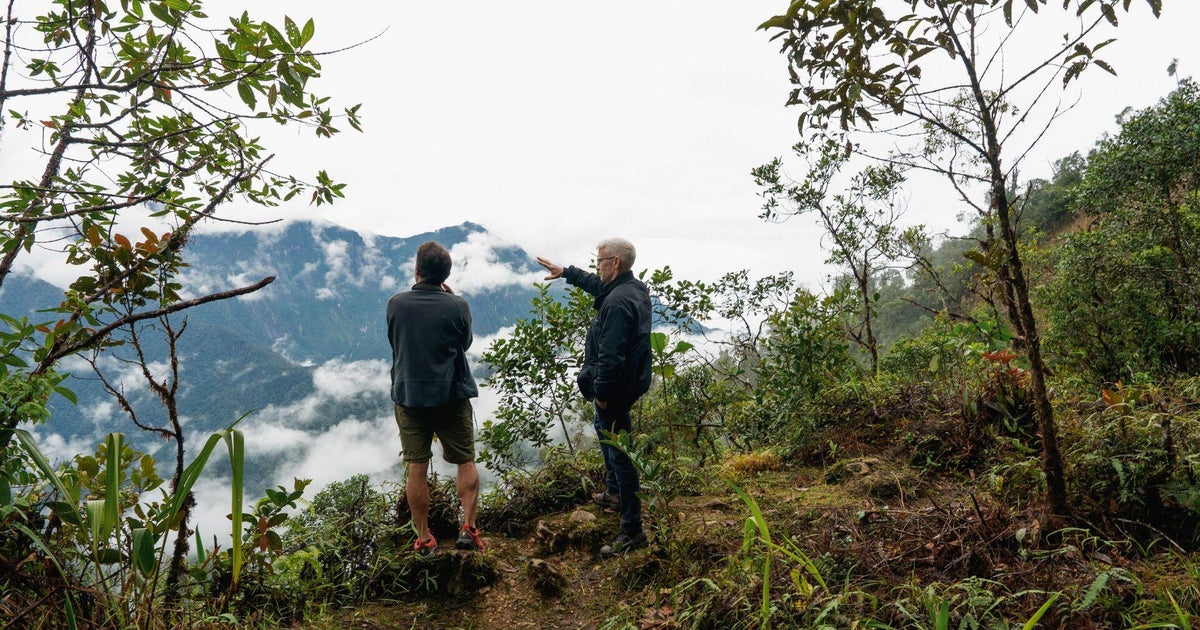
Diego Calderón Franco, a former hostage of Marxist rebels in Colombia, found a unique way to connect with his captors by introducing them to bird-watching as a potential career path. Calderón Franco, who was held captive by the Revolutionary Armed Forces of Colombia (FARC) for 88 days in 2004, believed that the former fighters could make excellent forest guides. With Colombia being home to approximately 2,000 bird species out of the 11,000 worldwide, its diverse geography and preserved habitats due to past conflicts have made it a prime location for bird-watching enthusiasts. Calderón Franco's initiative not only provided a new opportunity for the ex-fighters but also fostered a healing connection through the shared love of birds.
Colombia's rich biodiversity, including its Andes mountains, Amazonian jungles, deserts, and grasslands, has made it a haven for bird species. The country's troubled history of armed conflict, involving government forces, guerrillas, paramilitaries, and drug traffickers, inadvertently contributed to the preservation of many bird habitats. The presence of illegal armed groups in certain areas prevented habitat destruction, allowing for the flourishing of bird populations. Calderón Franco likens the experience of being a birding guide in Colombia to that of a Victorian-era explorer, where the possibility of discovering new bird species in remote regions still exists.
The origins of Colombia's armed conflict date back to the 1960s when leftist guerrilla groups like the FARC and the National Liberation Army (ELN) emerged. The government's support for paramilitary groups further escalated the violence, leading to decades of bloodshed and civilian casualties. More than 450,000 people lost their lives during the conflict, with an additional 50,000 individuals being kidnapped. Calderón Franco's own abduction by the FARC in 2004 highlighted the dangers faced by civilians and researchers in the region. Despite the fragile peace in Colombia, recent incidents of violence serve as a reminder of the ongoing challenges in the country.
Following his release from captivity, Calderón Franco established a birding tour business in Colombia, promoting ecotourism and contributing to the country's economy. His collaboration with local communities, such as Michelle Tapasco's family farm near Tatamá National Park, has created opportunities for sustainable tourism and conservation efforts. Tapasco's personal experience of surviving violence from different armed groups underscores the complex history of conflict in Colombia. By embracing bird-watching as a means of healing and reconciliation, Calderón Franco has not only transformed his own traumatic experience but also paved the way for a brighter future for former combatants and local communities alike.