Federal Appeals Court Decision Limits Access to Mifepristone: Implications for Reproductive Healthcare
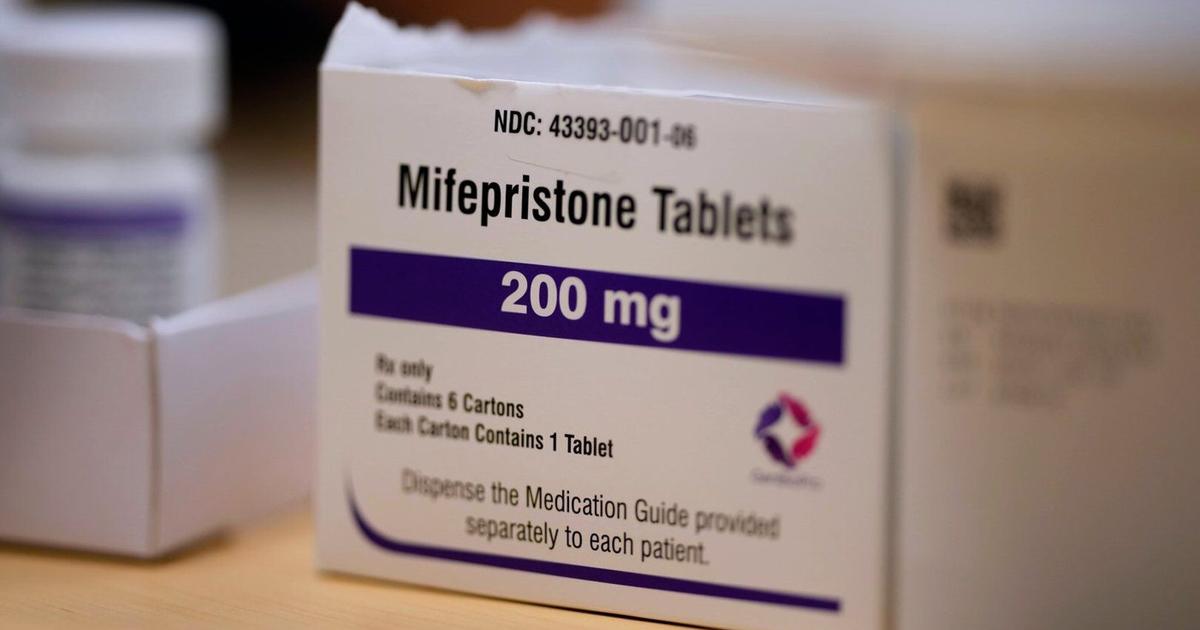
A recent federal appeals court decision has limited access to mifepristone, a common medication used to terminate early pregnancies, by blocking the mailing of prescriptions. This ruling, which comes as a significant development in U.S. abortion policy, has been seen as a win for anti-abortion advocates aiming to restrict the availability of abortion pills obtained online. The decision was made by the 5th U.S. Circuit Court of Appeals based in New Orleans, and it has sparked debates and concerns among various stakeholders in the reproductive health landscape.
The court's decision to restrict the mailing of mifepristone prescriptions has raised questions about the impact it will have on individuals seeking access to safe and legal abortion care. Mifepristone, commonly known as the abortion pill, is a crucial medication used in medication abortion, a non-surgical method for ending early pregnancies. By limiting the distribution of mifepristone through mail-order prescriptions, the court ruling has the potential to disrupt the way individuals access reproductive healthcare services, particularly in states with restrictive abortion laws.
The ruling has reignited discussions around the challenges faced by individuals seeking abortion care, especially in states where access to abortion services is already limited. The decision to block the mailing of mifepristone prescriptions has been met with criticism from reproductive rights advocates, who argue that it undermines the right to safe and legal abortion. The implications of this ruling extend beyond the legal realm, impacting the healthcare choices and autonomy of individuals seeking reproductive healthcare services.
As the debate over abortion policy continues to evolve, the recent court ruling on mifepristone prescriptions underscores the ongoing challenges faced by individuals seeking access to comprehensive reproductive healthcare. The decision has sparked concerns about the potential barriers it may create for individuals seeking abortion care, highlighting the need for continued advocacy and support for reproductive rights. In the midst of these developments, it is essential to prioritize the health and well-being of individuals seeking abortion care and ensure that they have access to safe and legal reproductive healthcare services.