End of an Era: Spirit Airlines Ceases Operations After 34 Years
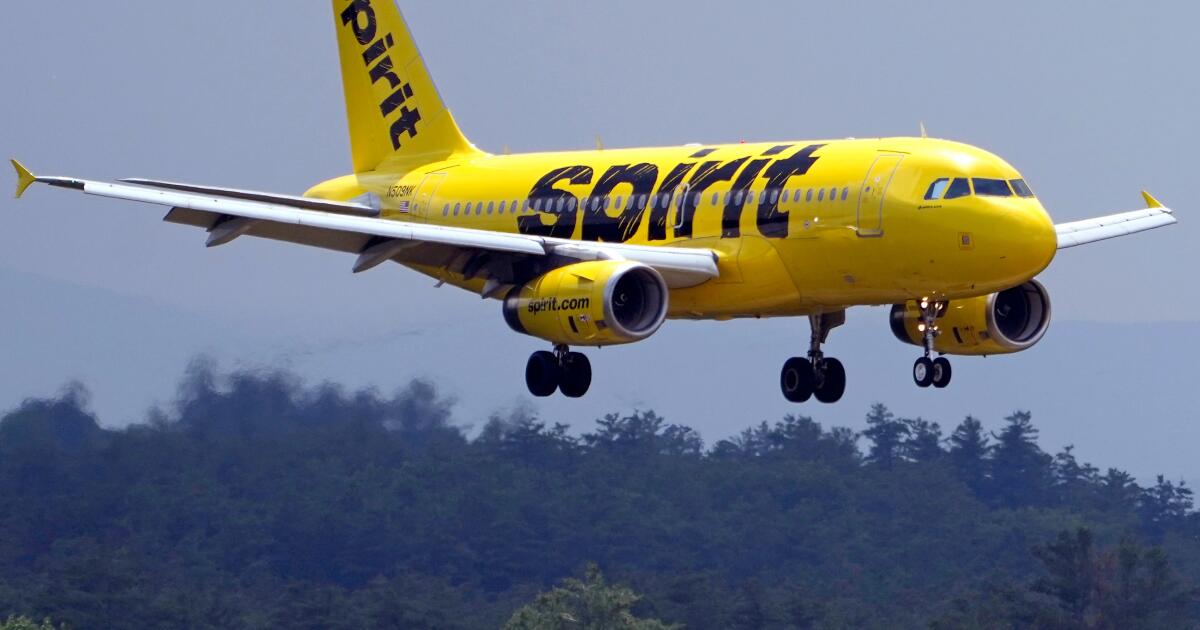
Spirit Airlines, a well-known ultra-low-cost airline, recently announced its closure after 34 years of operation. The airline, known for its bright yellow planes and deep discount fares, stated that it had begun an orderly wind-down of its operations, resulting in the cancellation of all flights and the discontinuation of customer service. Despite the impact of its ultra-low-cost model on the industry, Spirit Airlines expressed regret at not being able to continue serving its guests.
In response to the closure, U.S. Transportation Secretary Sean Duffy advised passengers with scheduled flights on Spirit Airlines not to show up at the airport, as there would be no assistance available. To assist affected passengers, other airlines such as United, Delta, JetBlue, and Southwest offered $200 one-way flights for individuals with Spirit confirmation numbers and proof of purchase. Additionally, efforts were made to help more than 1,300 crew members return to their home bases.
Despite the closure, some passengers were unaware of the situation and arrived at airports for their flights. While some passengers opted to take advantage of deals offered by other airlines, others expressed disappointment at the lack of communication from Spirit Airlines. Former employees, like flight attendant Freddy Peterson, shared their experiences and expressed gratitude for their time with the airline.
The Trump administration had considered a government bailout for Spirit Airlines to prevent its closure, but a deal was not reached. The airline had faced financial challenges due to the COVID-19 pandemic, rising operating costs, and growing debt. Despite efforts to secure its financial stability, Spirit Airlines ultimately succumbed to bankruptcy proceedings for the second time in less than two years.
The closure of Spirit Airlines will have a significant impact on budget-conscious and leisure travelers, particularly in locations where the airline had a strong presence. With reduced capacity and a decline in passenger numbers, the absence of Spirit Airlines is expected to affect airline competition and airfares. The closure of the airline will also result in job losses for thousands of employees and have broader implications for the aviation industry.
In conclusion, the closure of Spirit Airlines marks the end of an era for the ultra-low-cost carrier, leaving a void in the airline industry and impacting passengers, employees, and industry stakeholders. Despite its unique business model and competitive fares, the challenges faced by Spirit Airlines ultimately led to its closure, highlighting the fragility of the aviation sector in the face of economic uncertainties and external factors.