Federal Appeals Court Decision Restricts Mail Distribution of Mifepristone: Implications for Abortion Access in the U.S.
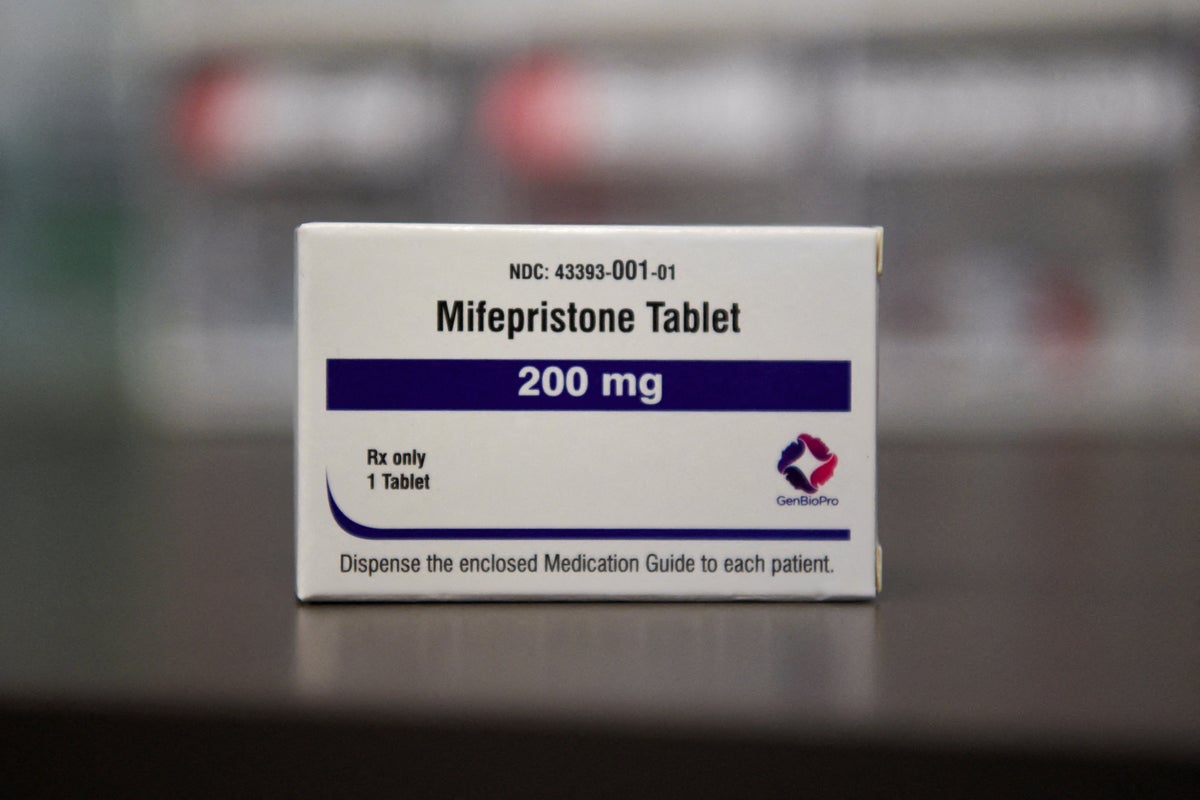
A recent federal appeals court decision has restricted access to mifepristone, a common abortion medication, by blocking its distribution through the mail. The New Orleans-based 5th U.S. Circuit Court of Appeals now mandates that the abortion pill must be dispensed in person at clinics. This ruling diverges from the usual deference to the FDA's judgments on drug safety and regulation, as FDA officials are currently conducting a review of mifepristone's safety under President Donald Trump's direction.
The judges noted that the FDA's review process is ongoing and did not provide a timeline for completion. Louisiana's attorney general and a woman who was coerced into taking abortion pills have requested that the FDA rules be reverted to when the pills were only allowed to be prescribed and dispensed in person. This decision comes after a Louisiana-based federal judge ruled that the previous allowances undermined the state's abortion ban but did not immediately undo the regulations.
Since the Supreme Court's 2022 ruling that overturned Roe v. Wade, prescriptions by mail have become a significant method of providing abortions, especially in states with bans in place. The restrictions on telemedicine will disproportionately impact marginalized communities, including rural areas, low-income individuals, people with disabilities, survivors of intimate partner violence, and communities of color, limiting their access to abortion and miscarriage care.
Mifepristone was approved in 2000 as a safe and effective way to end early pregnancies when used in combination with misoprostol. The FDA initially imposed strict limits on who could prescribe and distribute the pill due to rare cases of excessive bleeding, but these requirements were relaxed during the COVID-19 pandemic. FDA officials under President Joe Biden concluded that women could safely use the pill without direct supervision after monitoring its use for over 20 years and reviewing numerous studies.
The recent ruling by the 5th U.S. Circuit Court of Appeals is likely to be appealed to the Supreme Court, which unanimously preserved access to mifepristone in a 2024 decision. While the high court overturned abortion as a nationwide right in 2022, it upheld access to mifepristone by ruling that the anti-abortion doctors lacked legal standing to sue. The ongoing legal battles surrounding mifepristone's distribution highlight the complex and contentious nature of reproductive rights in the United States.
In conclusion, the recent federal appeals court decision restricting access to mifepristone by blocking its distribution through the mail has significant implications for abortion care in the United States. The ruling requiring in-person dispensing of the abortion pill at clinics challenges the FDA's previous regulations and limits access to safe and effective abortion medication. The ongoing legal battles and potential Supreme Court appeal underscore the ongoing debate over reproductive rights and access to healthcare in the country.