Exploring the Controversy of the 8647 Movement: Legal Implications and Political Expression
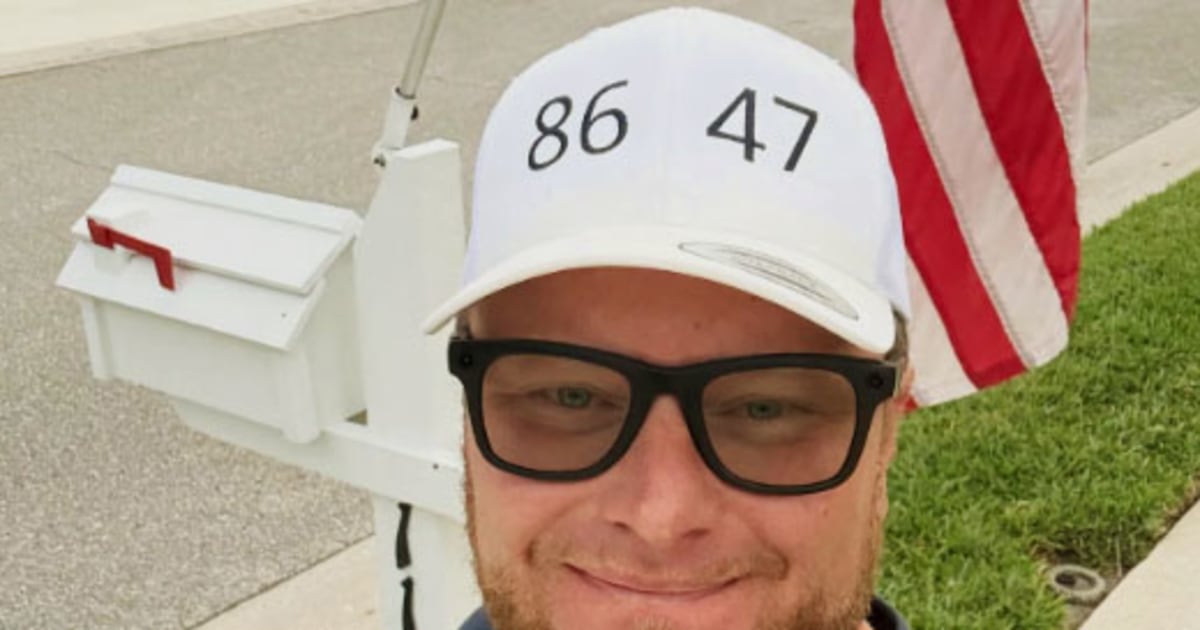
Florida congressional candidate Mark Davis is selling merchandise with the number "8647" on his campaign website, a reference to expressing discontent over President Donald Trump. Former FBI director James Comey was indicted on two felony counts for posting an image on Instagram arranged as the numbers 8647, accused of threatening the president's life. Davis, an Air Force veteran, defiantly wears his 8647 hat and challenges authorities to arrest him and others who support the movement.
Numerous 8647 products are available online, including T-shirts, hats, stickers, and mugs, with varying prices and styles. Davis sells his merchandise for $29.99, while other listings offer different versions at different prices. The controversy surrounding the 8647 movement has sparked debates about whether buyers and sellers could face legal repercussions for allegedly threatening the president, but legal experts argue that it falls under protected political speech and lacks specific intent to incite violence.
The case against Comey has raised questions about the interpretation of the phrase "8647" and its potential implications. Legal experts believe that the phrase does not constitute a true threat to the president and is more symbolic of opposition to the administration. Despite the scrutiny surrounding the 8647 movement, comparisons have been drawn to a similar phrase, "8646," which circulated during President Joe Biden's term without prompting legal action. The differing responses to these slogans highlight the complexities of interpreting political speech in the context of legal consequences.
The controversy surrounding the 8647 movement and the indictment of James Comey have sparked discussions about the boundaries of political expression and the legal implications of symbolic gestures. While the case against Comey hinges on proving the post as a "true threat," the broader debate surrounding the movement underscores the challenges of balancing free speech rights with concerns about potential threats to public figures. As the legal proceedings unfold, the interpretation of political slogans and their impact on public discourse will continue to be a subject of scrutiny and debate.