Empowering Retirement Savings: Trump's Executive Order and the Saver's Match Program
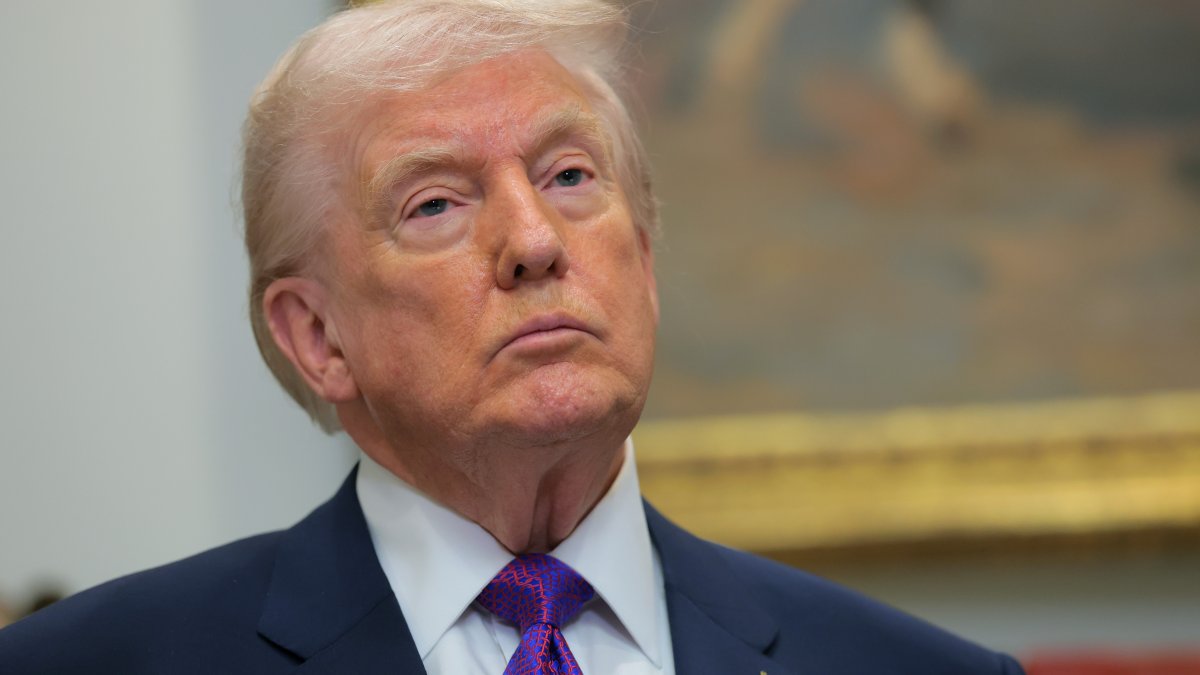
President Donald Trump recently signed an executive order to create a new government website that will allow people in the United States to compare private-sector retirement savings accounts. The goal is to assist workers whose employers do not offer retirement plans. The order aims to provide more individuals with access to retirement plans before the implementation of the Saver’s Match program in 2022, which will match retirement contributions made by lower-income workers.
The Saver’s Match program, established under President Joe Biden's legislation, will offer a match of up to $1,000 for workers earning less than $35,000 annually. Trump's order seeks to extend this benefit to approximately 50 million individuals without employer-sponsored retirement plans. The Treasury Department will launch TrumpIRA.gov, where workers can explore and compare private-sector retirement plans.
During his State of the Union address, Trump highlighted the lack of access to employer-provided retirement plans with matching contributions for many Americans. The Saver’s Match program will provide a maximum match of $1,000 for single filers and $2,000 for married couples filing jointly, with income limits for eligibility. Contributions to 401(k) plans, IRAs, and Roth IRAs will qualify for the match.
Trump expressed his desire to expand the Saver’s Match program to include individuals with higher incomes and has requested Congress to consider this expansion. Kevin Hassett, from the White House’s National Economic Council, emphasized the need to address the lack of retirement plan access for middle-income earners. The administration is working with Congress to enhance the program and anticipates legislative action in the near future.
In conclusion, President Trump's executive order aims to increase access to retirement savings accounts for millions of Americans by launching a new government website and expanding the Saver’s Match program. The initiative seeks to address the disparity in retirement plan availability and provide financial support to lower-income workers.