Remembering J. Craig Venter: A Pioneer in Genetic Research and Medtech Entrepreneur
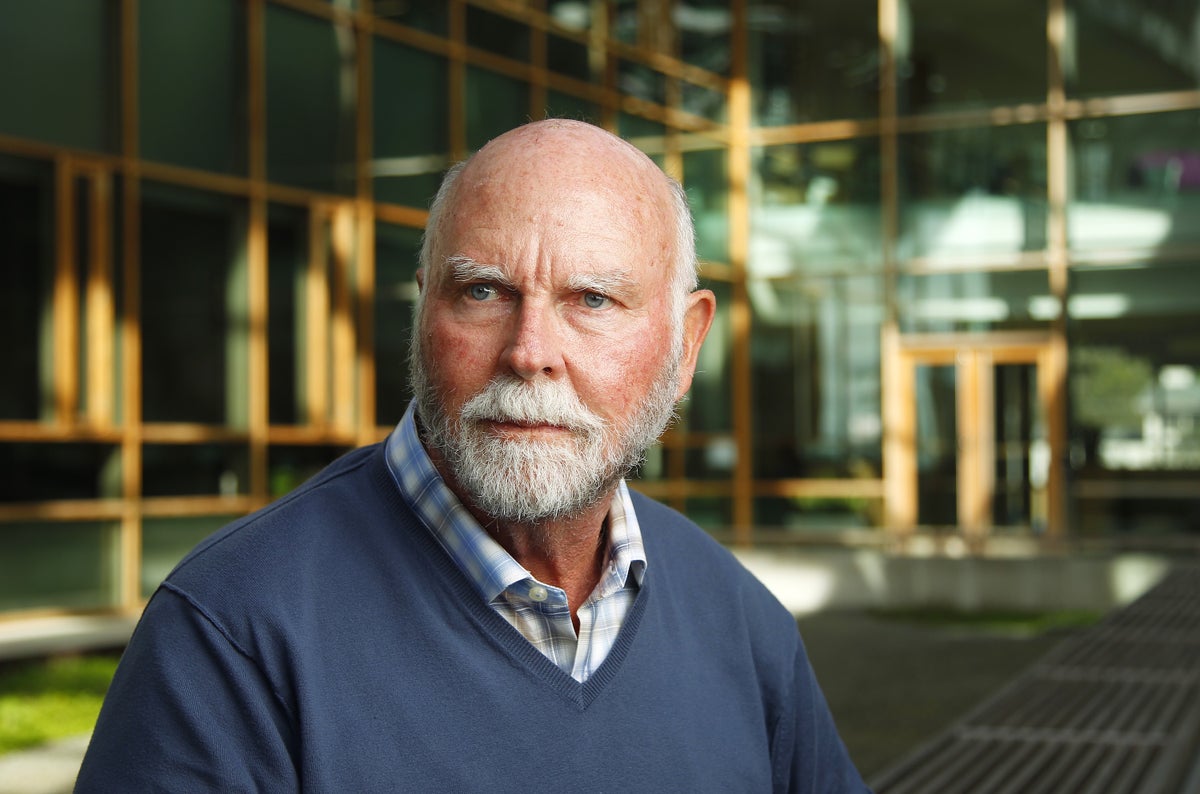
Renowned scientist and medtech entrepreneur J. Craig Venter, known for his groundbreaking work in decoding the human genome, passed away at the age of 79. Venter made history by publishing the first-ever decoded bacterial genome in 1995, marking the beginning of a new era in genetic research.
As the founder of Celera Genomics in 1998, Venter developed the whole genome shotgun sequencing method, which revolutionized the sequencing process by allowing multiple parts of the genome to be sequenced simultaneously and then reassembled using machine learning. This innovative technique enabled Venter to enter the race to decode the human genome, ultimately leading to a competition with The Human Genome Project.
Venter's contributions to genetic research extended beyond the human genome. He spearheaded efforts to explore marine microbial communities through the Global Ocean Sampling Expedition, which circumnavigated the globe between 2005 and 2006. Venter's dedication to scientific exploration and discovery left a lasting impact on the field of genetics.
Throughout his career, Venter received numerous accolades for his work, including the National Medal of Science awarded by President Barack Obama in 2008. Despite facing challenges and criticism along the way, Venter's perseverance and dedication to advancing genetic research were unwavering.
The J. Craig Venter Institute, a nonprofit research organization founded by Venter, confirmed his passing and revealed that he had been hospitalized due to complications from cancer treatment. Venter's legacy as a pioneering figure in genetic research will continue to inspire future generations of scientists and researchers.
In conclusion, J. Craig Venter's contributions to genetic research have left an indelible mark on the scientific community. His innovative methods and groundbreaking discoveries have paved the way for new advancements in genetics and will continue to shape the future of scientific exploration.