Navigating Economic Challenges: The Role of AI and Consumer Spending
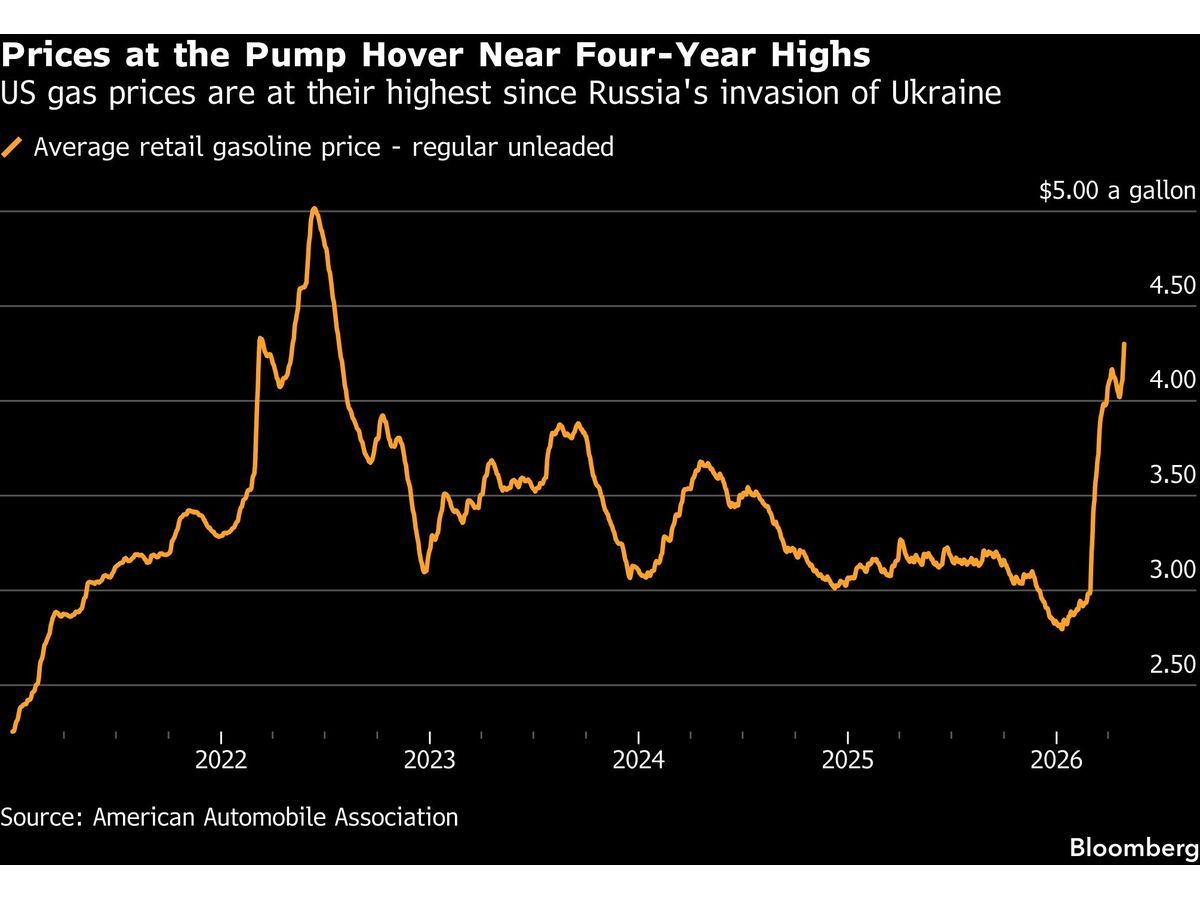
The US economy faced challenges in the first quarter due to a surge in inflation caused by the conflict in the Middle East. Despite this, consumers continued to spend, supported by tax refunds and limited layoffs. However, rising gasoline prices have put pressure on consumers, leading to increased savings. The role of artificial intelligence (AI) in driving economic growth is crucial, but consumer spending remains essential.
In the first quarter, US gross domestic product (GDP) grew by 2%, with consumer spending slightly slowing down but still exceeding expectations. Business investment, particularly in equipment and structures, showed significant growth, indicating its contribution to the economy. Tech giants like Alphabet, Amazon, Meta Platforms, and Microsoft are set to invest heavily in AI, which could impact the economy positively.
The outlook for American households depends on the developments in the war in Iran. There is a risk of cooling consumer spending due to rising transportation costs and potential disruptions in the supply chain. As consumers allocate more income to essential expenses like food and gasoline, discretionary purchases may decrease, affecting overall spending patterns.
The economy is experiencing a "split-screen" scenario, where AI thrives while the middle class faces financial pressure. The savings rate has decreased, and consumer sentiment hit a record low in April. Job opportunities have declined, leading to concerns among households. Despite signs of strain, early company earnings reports show that US households are still spending, albeit cautiously.
Higher energy costs, driven by the conflict in the Middle East, have impacted companies across industries, leading to price pressures. Some companies have managed to raise prices to offset increased expenses, while others are absorbing costs to retain customers. Continued investment in AI could offer some relief to the economy amid geopolitical and inflation risks, providing a buffer until the situation stabilizes.
In conclusion, the US economy is navigating through challenges posed by inflation and geopolitical uncertainties. While AI investment offers potential growth opportunities, consumer spending remains a critical factor in driving economic recovery. Balancing these factors will be essential in sustaining economic momentum and addressing the evolving landscape of the global economy.