Europe's Inflation Challenge: Navigating the Impact of Rising Oil Prices and Geopolitical Tensions
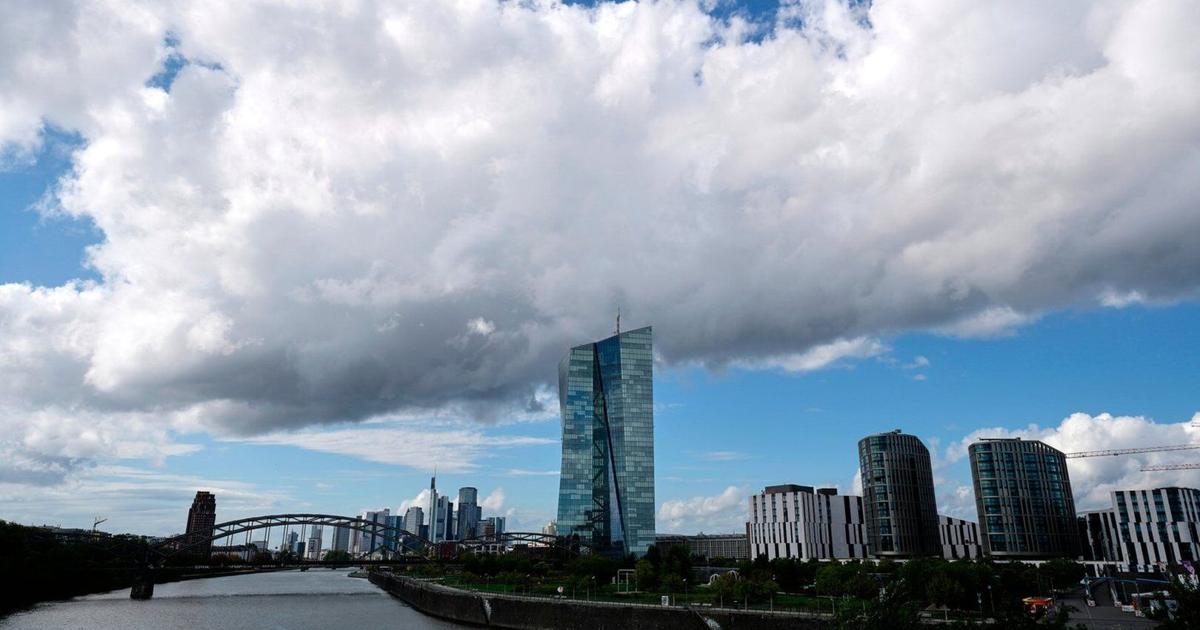
In April, inflation in Europe surged due to the spike in oil prices resulting from the Iran conflict, posing challenges for both consumers and policymakers at the European Central Bank. The annual inflation rate in the eurozone climbed to 3.0% in April, driven by a significant 10.9% surge in energy prices, according to Eurostat. The price of crude oil has risen to over $120 per barrel, a sharp increase from the pre-war level of around $73.
The higher inflation rate in Europe is a cause for concern as it coincides with sluggish economic growth in the region. The combination of rising prices and weak growth presents a dilemma for both consumers and policymakers at the European Central Bank. The situation is further complicated by the ongoing conflict in Iran, which has significantly impacted global oil prices and contributed to the inflationary pressures in Europe.
The European Central Bank faces a challenging task of balancing inflation concerns with the need to support economic growth in the eurozone. The sharp increase in energy prices, driven by the conflict in Iran, has added to the inflationary pressures in the region. Policymakers will need to carefully navigate these challenges to ensure stability in the economy while addressing the impact of external factors such as geopolitical tensions on inflation and growth.
In conclusion, the surge in oil prices due to the Iran conflict has led to higher inflation in Europe, posing challenges for consumers and policymakers. The European Central Bank will need to carefully monitor the situation and take appropriate measures to address the impact of rising energy prices on inflation and economic growth in the eurozone.