Supreme Court to Review Trump Administration's Termination of Temporary Protected Status for Migrants
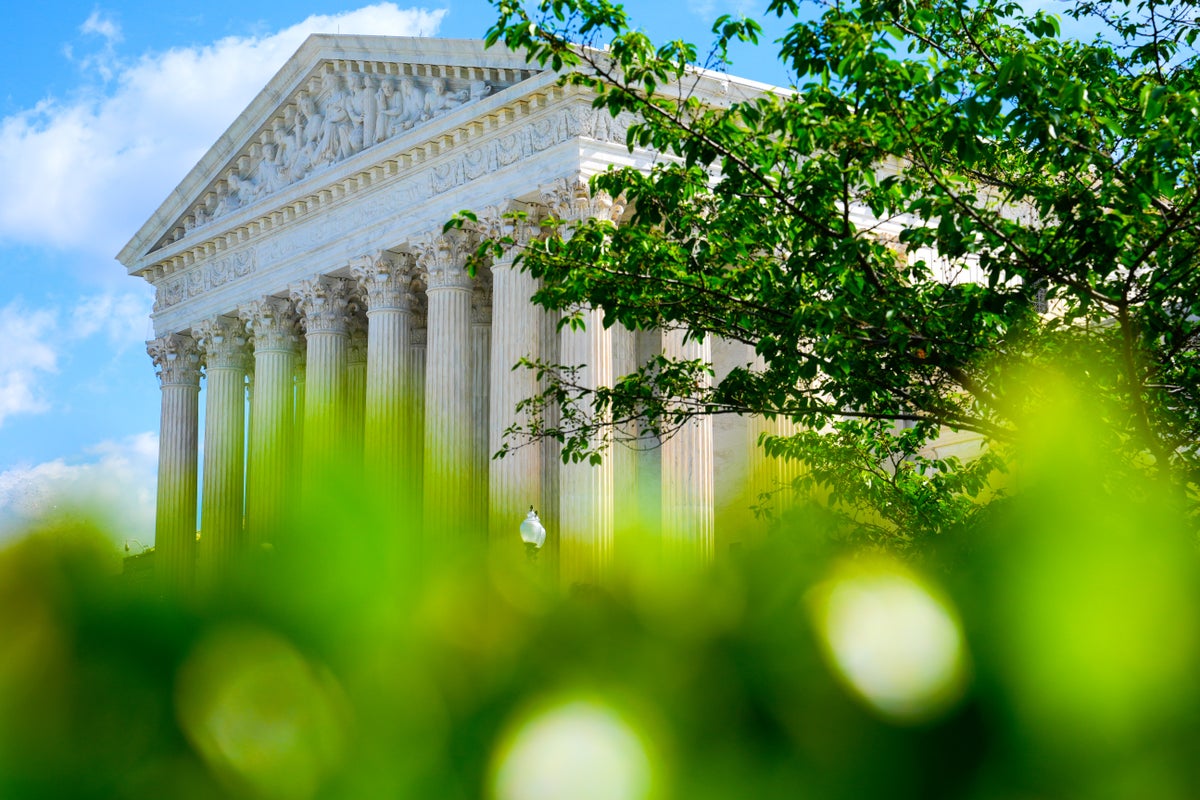
The Supreme Court is set to hear arguments regarding the Trump administration's efforts to terminate legal protections for migrants escaping war and natural disasters. This case is part of a series of immigration-related cases being reviewed by the high court in the context of the administration's broad immigration policies. The government is appealing lower court rulings that halted the Department of Homeland Security's move to end temporary protected status for individuals from Haiti and Syria. If the Supreme Court rules in favor of the administration, it could affect up to 1.3 million people from 17 countries, potentially subjecting them to deportation.
The Justice Department argues that the Homeland Security secretary has the authority to terminate the Temporary Protected Status (TPS) program, and that judges should not question these decisions. On the other hand, lawyers representing migrants from Haiti and Syria argue that the government did not follow the proper procedures in ending the program for these individuals. Since the beginning of Trump's second term, protections have been terminated for migrants from 13 countries, leading to job and housing losses for many who have lived in the U.S. legally for years.
For many migrants, returning to countries like Haiti and Syria is not a viable option due to ongoing violence and instability. The consequences of losing TPS protections can be dire, as highlighted by the case of four Haitian women who were deported and later found beheaded. The Trump administration's appeal to the Supreme Court follows decisions by lower courts in New York and Washington, D.C., to delay the termination of protections. The administration denies that racial bias influenced the decisions to end TPS for certain groups.
Syrians were granted protected status in 2012 during the civil war, while Haitians joined the program in 2010 following a devastating earthquake. The program has been extended multiple times for Haitians due to continued gang violence displacing millions. Individuals like Maryse Balthazar, who has been in the U.S. with temporary legal status for 16 years, face uncertainty and fear of losing their protections. The Supreme Court's decision in this case could have far-reaching implications for industries that rely on immigrant workers like Balthazar.
In addition to the TPS case, the Supreme Court is also considering other immigration-related cases, including the administration's efforts to restrict birthright citizenship and revive a restrictive asylum policy. These cases underscore the ongoing legal battles surrounding immigration policies under the Trump administration.