Louisiana v. Callais: Supreme Court Ruling Sparks Debate on Redistricting and Voting Rights in Louisiana
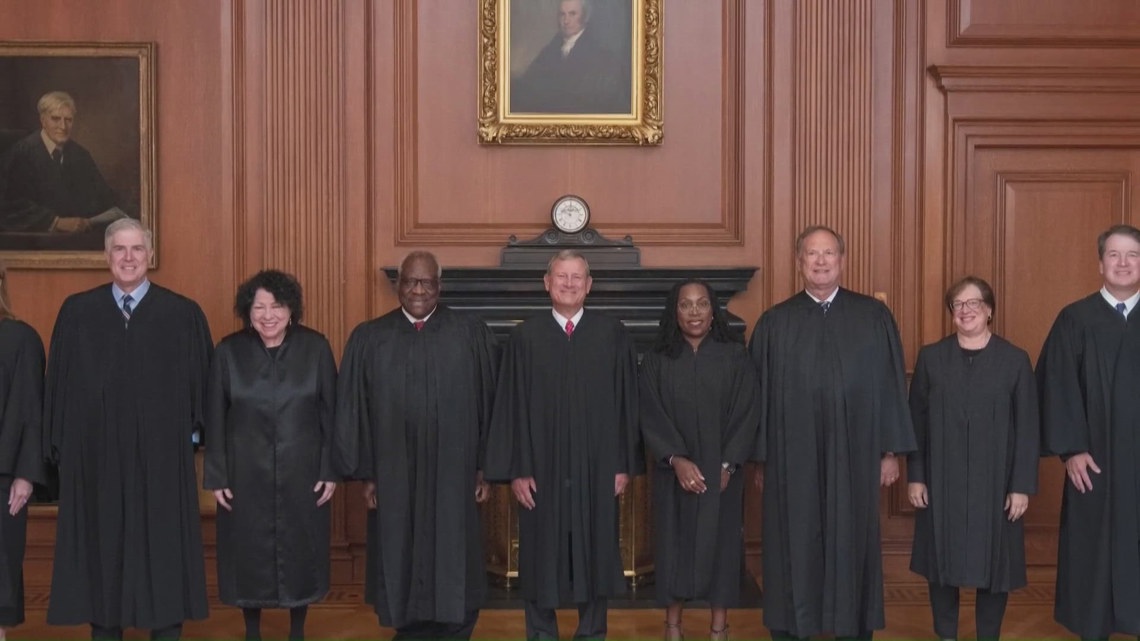
The U.S. Supreme Court recently made a significant ruling in Louisiana v. Callais, declaring Louisiana's congressional district map unconstitutional due to racial gerrymandering. This decision has raised concerns about the impact on Black voting power and has ordered state lawmakers to redraw the lines for the second majority-minority congressional district in the state.
Governor Jeff Landry expressed the need to carefully analyze the Supreme Court's opinion and understand the implications for Louisiana's congressional boundaries. Civil rights attorney Tracie Washington criticized the ruling, stating that it undermines the Voting Rights Act and leads to vote dilution without a solution.
The court found that Louisiana lawmakers had improperly used race as a primary factor in creating the second majority-minority district out of the state's six congressional seats. U.S. Rep. Troy Carter and State Sen. Royce Duplessis expressed concerns about the potential consequences of redrawing the congressional map and the uncertainty surrounding the timing of this process.
Justice Samuel Alito emphasized the distinction between using race as a predominant factor and considering nonracial factors, such as partisan advantage, in redistricting. State lawmakers have been tasked with redrawing the boundaries, with the possibility of court intervention if they fail to do so.
As Louisiana navigates the implications of this ruling, Governor Landry stated that all options are being considered and discussions are ongoing with the attorney general and legislative leadership. The future of Louisiana's congressional map remains uncertain, with potential implications for African American representation in the state.
In conclusion, the Supreme Court's decision in Louisiana v. Callais has sparked a debate about the use of race in redistricting and its impact on voting rights. The ruling has prompted state lawmakers to reconsider the congressional boundaries, with the goal of ensuring fair representation for all communities in Louisiana.