Kevin Warsh's Path to Federal Reserve Leadership: Senate Committee Vote and Potential Transition from Jerome Powell
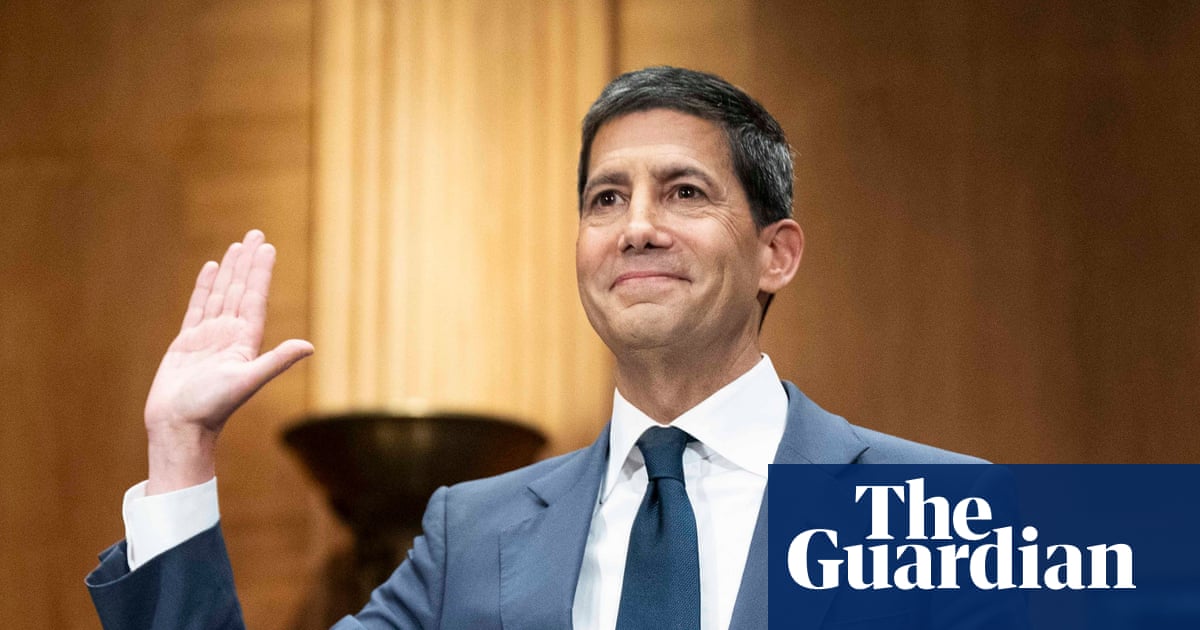
Kevin Warsh, the nominee to lead the Federal Reserve chosen by Donald Trump, is expected to pass a crucial procedural step on Wednesday, paving the way for his potential appointment as the successor to Jerome Powell in the near future. The Senate banking committee is scheduled to vote on advancing Warsh's nomination to the full Senate, with all 13 Republicans on the panel likely to support him. However, the 11 Democrats on the committee are expected to vote against Warsh due to doubts about his commitment to setting policy independently of the president's influence.
The vote comes as Powell presides over what could be his final policy-setting meeting as the Fed chief. The Federal Open Market Committee is anticipated to maintain the current benchmark interest rate range of 3.50%-3.75% due to ongoing inflation concerns and disruptions in global oil supplies caused by the conflict in Iran. Despite some uncertainty surrounding the timing of the confirmation vote, Warsh is likely to be confirmed by the Senate, potentially by May 15, coinciding with the end of Powell's term.
It remains unclear whether Warsh's confirmation would lead to Powell's departure from the Fed or if Powell would continue as a member of the board of governors. Trump's previous attempts to influence the Fed's leadership have faced legal challenges, and Powell's term as a board member extends until January 2028. While Powell has expressed his commitment to the Fed's independence, he has also indicated that he would stay on if it serves the best interests of the central bank and the country.
The potential transition from Powell to Warsh at the Federal Reserve raises questions about the central bank's future direction and the extent of political influence on monetary policy decisions. As the Senate moves closer to confirming Warsh, the implications for the Fed's leadership and its independence remain uncertain.