Federal Reserve Holds Key Interest Rate Steady Amid Inflation Concerns and Leadership Transition
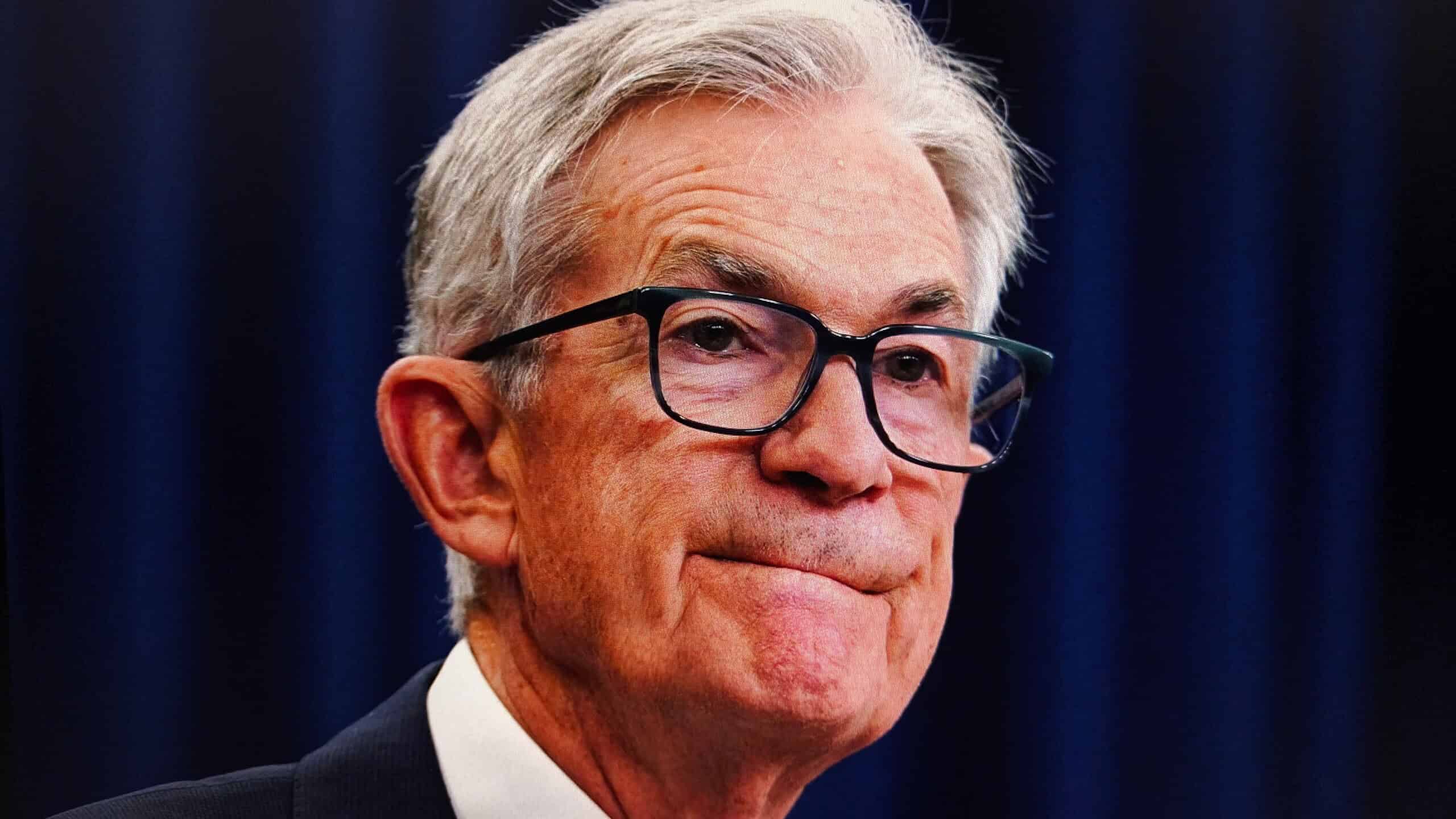
The Federal Reserve held its key interest rate steady in a divided decision as policymakers grappled with persistent inflation and awaited a leadership transition. Chair Jerome Powell presided over the meeting, where the rate-setting Federal Open Market Committee voted to maintain the benchmark funds rate. The meeting saw a split among officials, with eight in favor of holding the rate and four dissenting. The dissenting members expressed concerns about the inclusion of an easing bias in the statement, reflecting the ongoing debate over the policy response to inflation.
The committee acknowledged that inflation remains elevated, partly due to the recent increase in global energy prices. Despite market expectations of no changes in interest rates for the rest of the year and into 2027, Fed officials had previously indicated a potential rate cut later this year. The decision to hold the rate marked the third consecutive meeting without a change, following three rate cuts last year. Powell, who has maintained consensus among the committee during his tenure, faces challenges in navigating the current economic environment characterized by persistent inflation and political pressure.
While concerns over inflation persist, the labor market has shown signs of strength, with nonfarm payrolls growing and the unemployment rate declining. Attention now turns to Powell's post-meeting news conference, where the focus will be on his future as chair. The Senate Banking Committee advanced President Trump's nomination of Kevin Warsh as the next Fed chair, setting the stage for the first leadership change since Powell assumed the role in 2018. Warsh's nomination raises questions about the Fed's independence and its relationship with the government, echoing historical tensions over monetary policy.
Warsh has advocated for modernizing the Treasury-Fed Accord to address the central bank's substantial holdings and strengthen coordination on debt issuance. The potential leadership transition at the Fed comes at a critical juncture, with policymakers facing complex challenges in managing inflation, economic growth, and political pressures. Powell's decision on whether to stay on as a governor or step down will have significant implications for the Fed's future direction and its relationship with the government.