U.S. Response to Iran's Proposal on Strait of Hormuz and Nuclear Deadlock
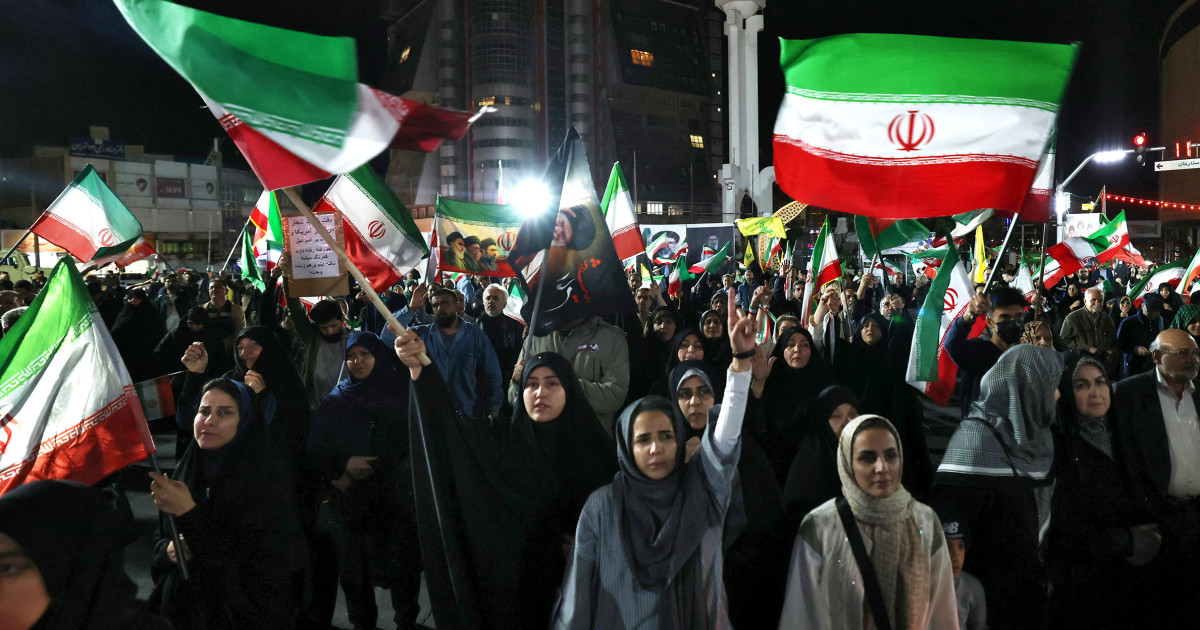
The United States did not immediately embrace a new proposal from Iran to end the war and reopen the Strait of Hormuz without resolving the nuclear program deadlock. Secretary of State Marco Rubio acknowledged that Iran's latest offer was an improvement but indicated that Washington was unlikely to lift its naval blockade. Energy prices surged in response to the negative signals, with Brent crude oil prices hitting a three-week high above $111 a barrel.
The Iranian proposal aims to reopen the vital trade route of Hormuz and end the ongoing conflict initiated by the U.S. and Israel, deferring nuclear discussions to a later date. Secretary Rubio emphasized the importance of addressing the nuclear issue to prevent Iran from pursuing nuclear weapons. While Iran denies seeking nuclear weapons, the demand to halt its enrichment program remains a major obstacle in peace negotiations.
President Trump and his national security team discussed the Iranian proposal, but the seriousness of considering it was not immediately clear. The Gulf Cooperation Council members are set to convene to discuss the proposal, highlighting the significance of restarting oil flow for Gulf allies. The U.S. blockade has reportedly put immense pressure on Iran, impacting its oil storage and economy.
Despite the economic strain on Iran, the true impact may take time to materialize due to the oil shipment timeline and payment terms. The ceasefire has not led to significant progress in peace talks, with both sides hesitant to make concessions. President Trump's call for Iran to reach out for a deal underscores the diplomatic impasse, as face-to-face negotiations remain stalled.