Enhanced Security Checks for Immigration Benefits: USCIS Implements Stricter Vetting Procedures
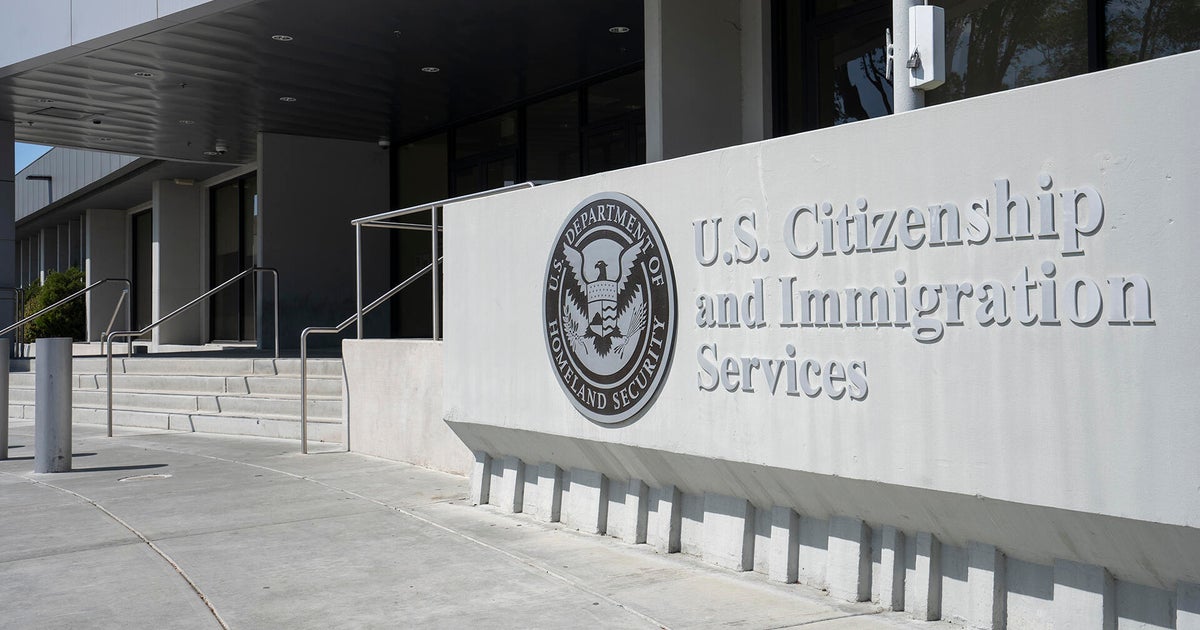
The Trump administration has implemented enhanced security checks for immigrants applying for legal immigration benefits, pausing some cases during the implementation process. U.S. Citizenship and Immigration Services (USCIS) officers have been instructed to resubmit pending applications for various immigration benefits, such as asylum, green cards, and U.S. citizenship, for enhanced FBI background checks. These enhanced screenings were prompted by an executive order from President Trump in February, granting USCIS greater access to the FBI's criminal history database to identify potential criminal actors. The enhanced checks will impact applications requiring fingerprint submissions, including green cards and naturalization, as well as sponsorship petitions for relatives or fiancees of U.S. citizens or green card holders.
USCIS officers are required to re-submit fingerprint-based screenings for cases received before April 27 and refrain from approving pending cases that have not undergone the expanded background checks. The agency has stated that any delays in decision issuance should be brief and resolved shortly, emphasizing that the safety of the American people is a top priority. These enhanced security measures are part of the administration's efforts to strengthen vetting and screening processes for immigration applicants and tighten access to the U.S. immigration system.
Under the Trump administration, USCIS has implemented various policies to scrutinize immigration applications more rigorously, including assessing social media activity for "anti-American" views or activities. Additionally, the administration has slowed or halted processing of many immigration cases, such as pausing asylum cases overseen by USCIS and freezing legal immigration requests from nationals of 39 countries listed on the "travel ban" proclamation for national security reasons. These measures reflect the administration's commitment to enhancing security protocols and ensuring the integrity of the immigration system.