Title: The Strategic Messaging Tactics of MAGA Influencers: Coordinated Narratives, Outrage Culture, and Conspiracy Theories
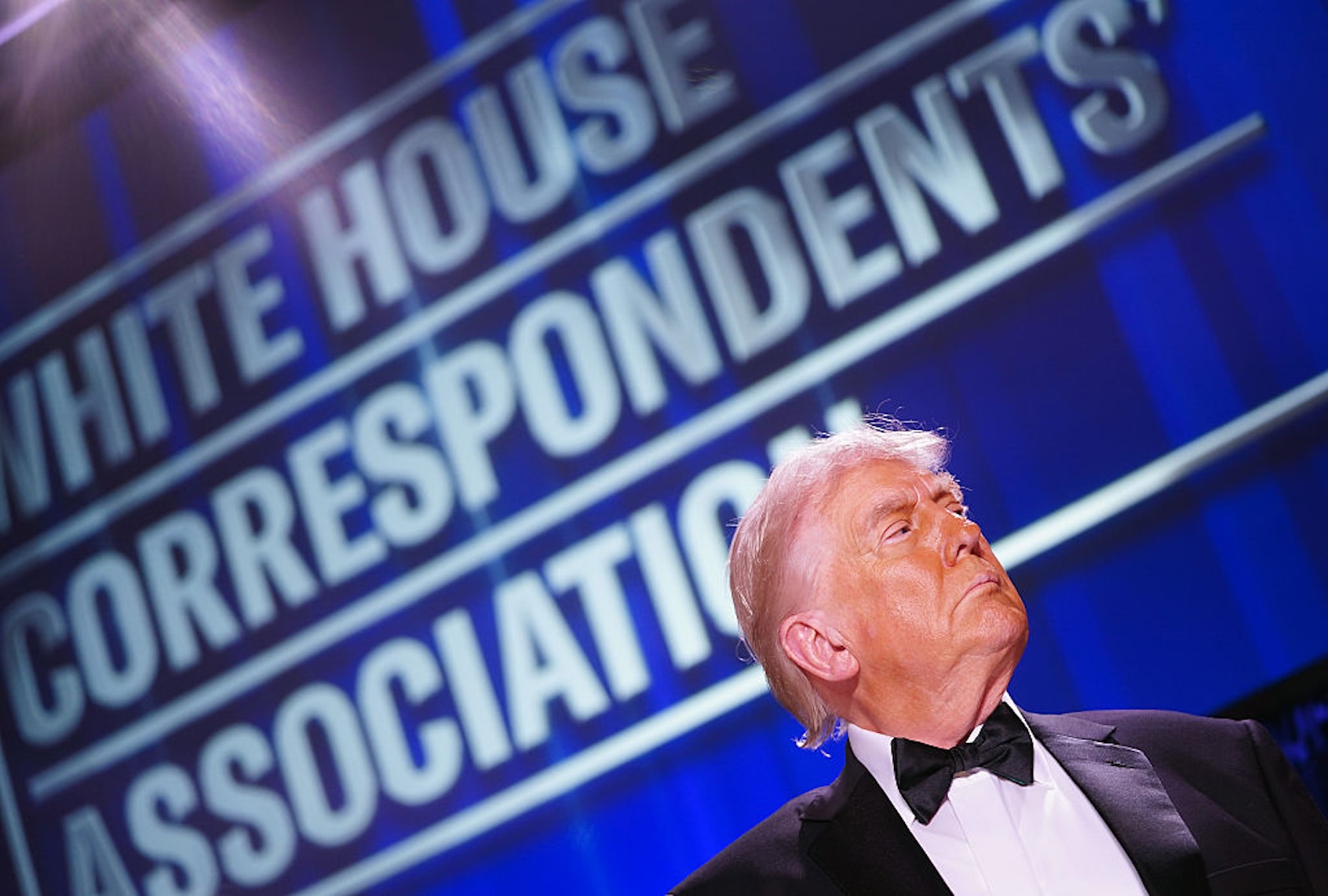
Following a recent incident where a gunman attempted to breach security at the White House Correspondents’ Dinner, a wave of pro-Trump influencers and officials took to social media to advocate for the construction of a $400 million White House ballroom. The incident, involving a 31-year-old suspect armed with firearms and knives, prompted calls for the completion of the ballroom to ensure the safety of President Trump and his guests. The swift and coordinated response from MAGA media figures highlighted the strategic messaging operation within the movement, with influencers aligning their narratives in lockstep to push for the ballroom's construction.
Former MAGA influencer Ashley St. Clair shed light on the coordinated messaging tactics employed by the movement, revealing that influencers are paid and communicate through group chats to synchronize their messaging. This orchestrated approach blurs the line between influencer culture and political advocacy, showcasing the precision with which the MAGA media sphere converges on narratives and enforces outrage. The ability to pivot from narrative-setting to culture war outrage was evident in the aftermath of the attack, as MAGA figures seized on unrelated posts and comments to fuel controversy and demand accountability.
The aftermath of the incident also saw MAGA influencers leveraging the chaos to target individuals like Jimmy Kimmel over jokes made prior to the shooting, calling for his dismissal from ABC. The media environment, fueled by outrage and lacking context, allowed for the exploitation of the violence to advance political agendas and incite further division. The incident sparked conspiratorial theories on both sides of the political spectrum, with claims of the attack being staged gaining traction online and adding to the polarized discourse that characterizes modern political conversations.
The incident and its aftermath underscore the complex dynamics of modern political discourse, where coordinated messaging meets conspiratorial speculation in a hall of mirrors. The intersection of strategic messaging, outrage culture, and conspiracy theories has reshaped the media landscape, turning speculative proposals into politically charged debates and dominating news cycles. As the country grapples with the aftermath of the incident, the underlying issues of security, political polarization, and media manipulation remain at the forefront of public discourse.