The Battle Over Warrantless Surveillance: Four Democrats Hold the Key
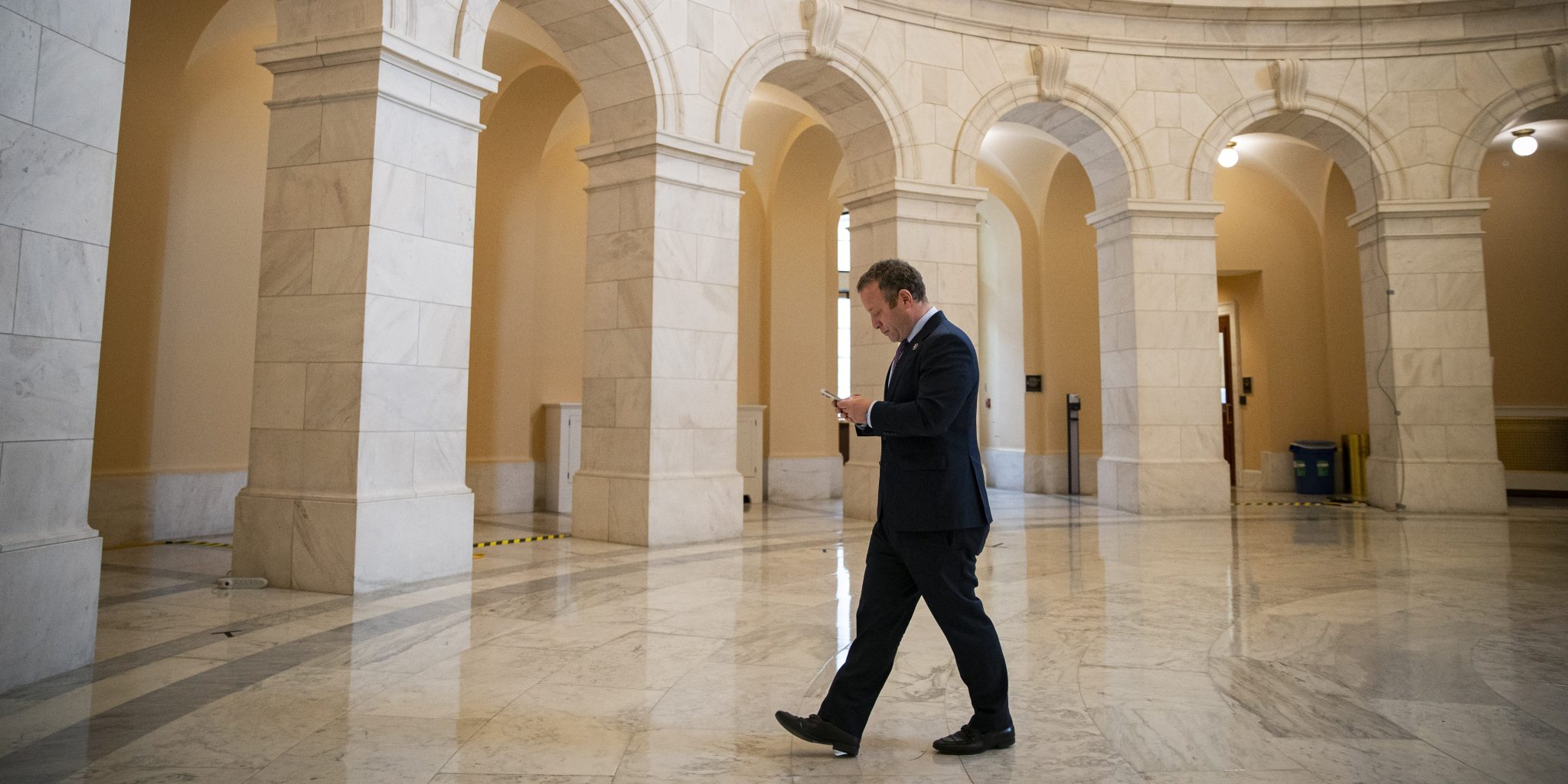
The debate over warrantless surveillance of American citizens by the U.S. government is intensifying, with House Speaker Mike Johnson's latest proposal at the center of the controversy. Four Democrats hold the key to the outcome, as their support could tip the scales in favor of Johnson's plan. Despite opposition from most Democrats and some hard-right Republicans, these four Democrats previously voted for a procedural motion to advance the bill, defying their party's instructions.
The four Democrats in question are Reps. Josh Gottheimer, Tom Suozzi, Marie Gluesenkamp Perez, and Jared Golden. Their decision on whether to support Johnson's proposal during the upcoming vote is crucial, as it could determine the fate of the reauthorization of Section 702 of the Foreign Intelligence Surveillance Act. Advocates are closely watching their stance, emphasizing the importance of ensuring checks and reforms to protect civil liberties.
Johnson's latest proposal aims to extend the law for three years with additional oversight and auditing measures. However, it does not address reformers' main concern of implementing a warrant requirement for searches involving American citizens' information obtained from foreign communications. Critics argue that the proposed oversight mechanisms are insufficient to prevent potential abuses of surveillance powers.
House Minority Leader Hakeem Jeffries expressed skepticism about finding common ground with Republicans on the issue, particularly due to concerns about the current FBI director. While a group of centrists may support a "clean" extension of FISA without major reforms, the four Democrats who previously crossed party lines to support Johnson are under pressure from progressive groups to oppose the bill. The upcoming vote will be crucial in determining the future of warrantless surveillance practices in the U.S.
In conclusion, the fate of warrantless surveillance in the U.S. hinges on the decisions of four key Democrats who could sway the outcome of the reauthorization debate. With competing interests and concerns at play, the upcoming vote will be a pivotal moment in shaping the future of surveillance laws and civil liberties protections.