Taylor Swift Seeks Trademark Protection for Voice and Image to Combat Deepfakes and AI Misuse
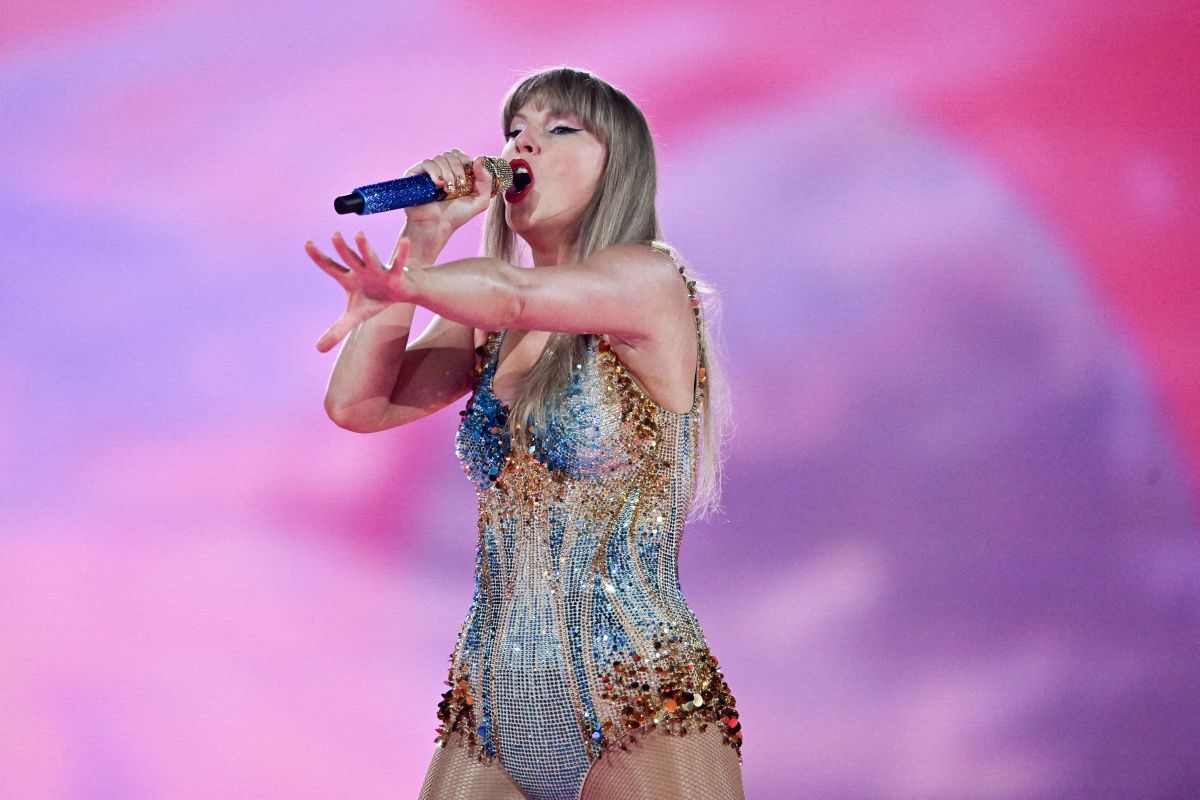
Pop sensation Taylor Swift has taken steps to safeguard her voice and image from misuse by filing trademark applications for two audio clips and an image of herself. The applications, submitted to the U.S. Patent and Trademark Office by Swift's TAS Rights Management, aim to protect her from deepfake videos and AI-generated content. One audio clip features Swift promoting her album on Amazon Music Unlimited, while the other encourages fans to presave her upcoming release on Spotify. The image she seeks to trademark shows her onstage with a pink guitar in a sequined outfit.
Swift's decision to trademark her voice and likeness comes in response to the proliferation of AI-generated deepfakes that have used her image and voice for various purposes, including false advertising and political endorsements. By seeking trademark protection, Swift hopes to establish clear ownership boundaries and prevent unauthorized use of her identity in the digital realm. Actor Matthew McConaughey has also pursued similar trademark filings to protect his likeness in the age of artificial intelligence.
Trademark attorney Josh Gerben highlighted the significance of Swift's applications, noting that they offer an additional layer of protection beyond existing laws governing the right of publicity. While copyright laws traditionally safeguard musicians' recorded music, the rise of AI technology has created new challenges in protecting artists' voices and images. By registering her spoken voice and distinctive visual elements, Swift aims to address these emerging threats and assert control over her public persona.
The legal implications of trademarking a celebrity's voice and image remain untested in court, but Gerben believes that such filings could help fill the gap left by existing intellectual property laws. By securing trademark protection for her signature style and appearance, Swift's team hopes to deter the unauthorized use of manipulated or AI-generated content that mimics her likeness. As the digital landscape continues to evolve, celebrities like Taylor Swift are taking proactive measures to safeguard their identities and creative assets from exploitation.