Supreme Court Case on Roundup: Implications for Bayer and Glyphosate Liability
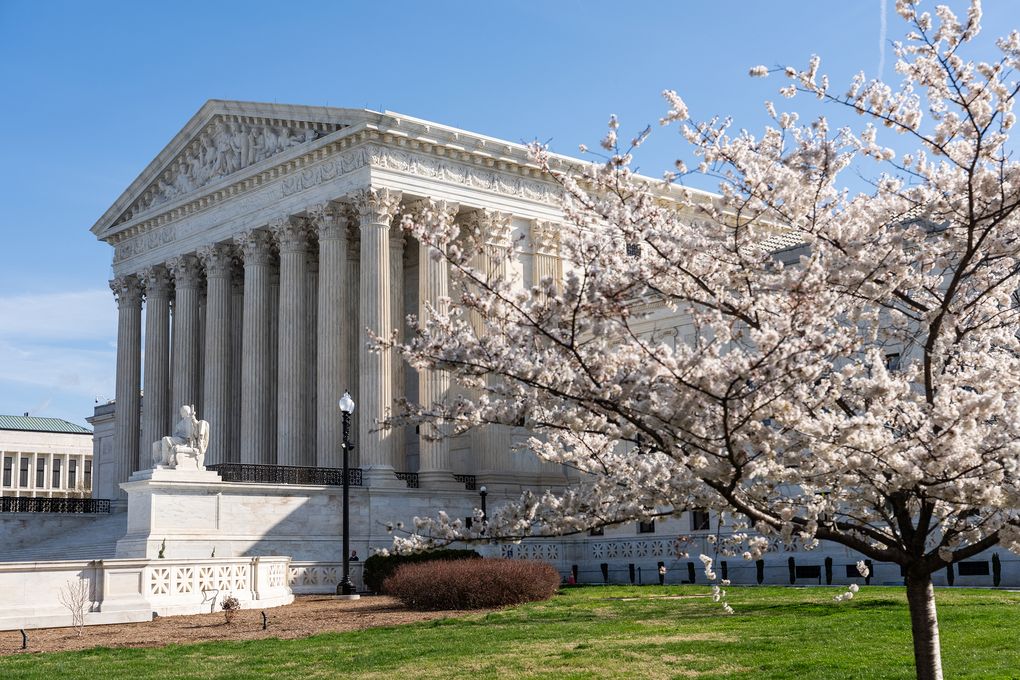
The upcoming Supreme Court case could have significant implications for Bayer, the pharmaceutical and biotech company, as it faces numerous lawsuits alleging that its weedkiller Roundup causes non-Hodgkin lymphoma. Roundup, developed by Monsanto and now owned by Bayer, has been at the center of controversy due to concerns about its impact on human health. Despite conflicting evidence on the link between Roundup's active ingredient, glyphosate, and cancer, the World Health Organization has classified glyphosate as "probably carcinogenic to humans."
Bayer argues that the Environmental Protection Agency's determination that glyphosate is safe should preempt state-level legal claims against the company. The federal government is set to reexamine the effects of glyphosate by October 1. The Supreme Court will review a lawsuit brought by a gardener who developed non-Hodgkin lymphoma after using Roundup, with the Trump administration supporting Bayer's position. Bayer has proposed a $7.25 billion class-action settlement to resolve many of its Roundup-related lawsuits.
Environmental groups criticize the EPA's review process for glyphosate and argue that it fails to adequately protect the public from cancer risks. Glyphosate is widely used in the United States on genetically modified crops and non-GMO crops, leading to concerns about its presence in food products. Bayer's CEO has suggested that the company may stop selling Roundup due to the financial burden of litigation. The Supreme Court's decision could have a significant impact on Bayer's liability in Roundup-related cases.
A victory for Bayer in the Supreme Court case could establish that states cannot allow lawsuits claiming mislabeling of glyphosate if the EPA has determined that a cancer warning is not required. This could reduce Bayer's liability, but not eliminate it entirely. The administration's support for Bayer has sparked backlash from environmentalists and health advocates, who plan to rally at the Supreme Court during the case's arguments. The outcome of the case will have far-reaching implications for Bayer and the future of Roundup litigation.