Protecting Privacy: Safeguarding Sensitive Information While Working Remotely in Public Spaces
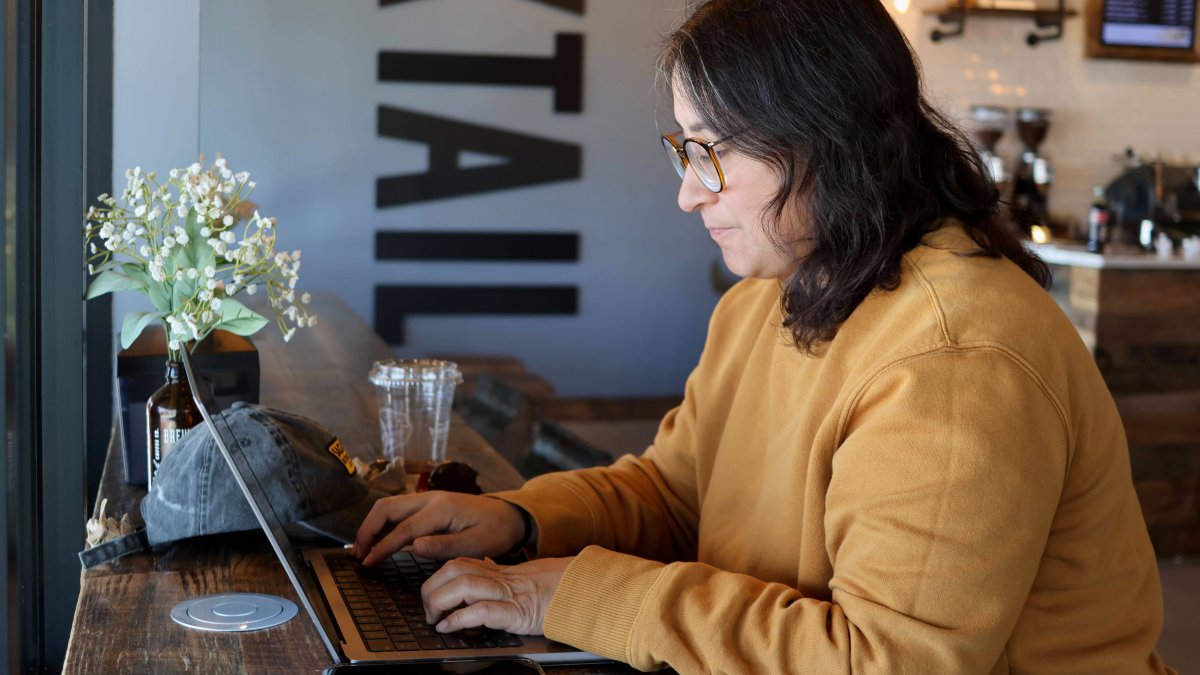
Digital nomads have embraced the flexibility of working remotely from various locations like cafes, co-working spaces, and hotel lobbies. The rise of remote work has been accelerated by the pandemic, allowing employees to work outside their homes due to the lack of a physical office or an ideal workspace. However, working in public spaces poses privacy and security risks that individuals need to be mindful of.
Employers often provide guidelines and best practices for remote work, including working in public spaces. Some companies offer privacy and confidentiality training to educate employees on safeguarding sensitive information. Working in crowded public places like coffee shops may expose individuals to data privacy risks, as highlighted by the British government's guidance for staff handling classified documents.
When working in public, it is essential to take precautions to protect sensitive information. Finding a secluded spot to work and using a screen privacy filter can prevent unauthorized individuals from viewing your screen. Avoiding public Wi-Fi networks without passwords and utilizing mobile hotspots or VPNs for secure internet connections are recommended by cybersecurity experts to mitigate the risk of data theft or manipulation.
Remaining vigilant of your surroundings and avoiding private conversations in public areas are simple yet effective measures to enhance security when working remotely. Being cautious of potential eavesdroppers and securing your devices when stepping away from your workspace can help prevent unauthorized access to sensitive information. By following these precautions, remote workers can minimize privacy and security risks associated with working in public spaces.