Ethical Scandals in Washington: Calls for Reform and Accountability
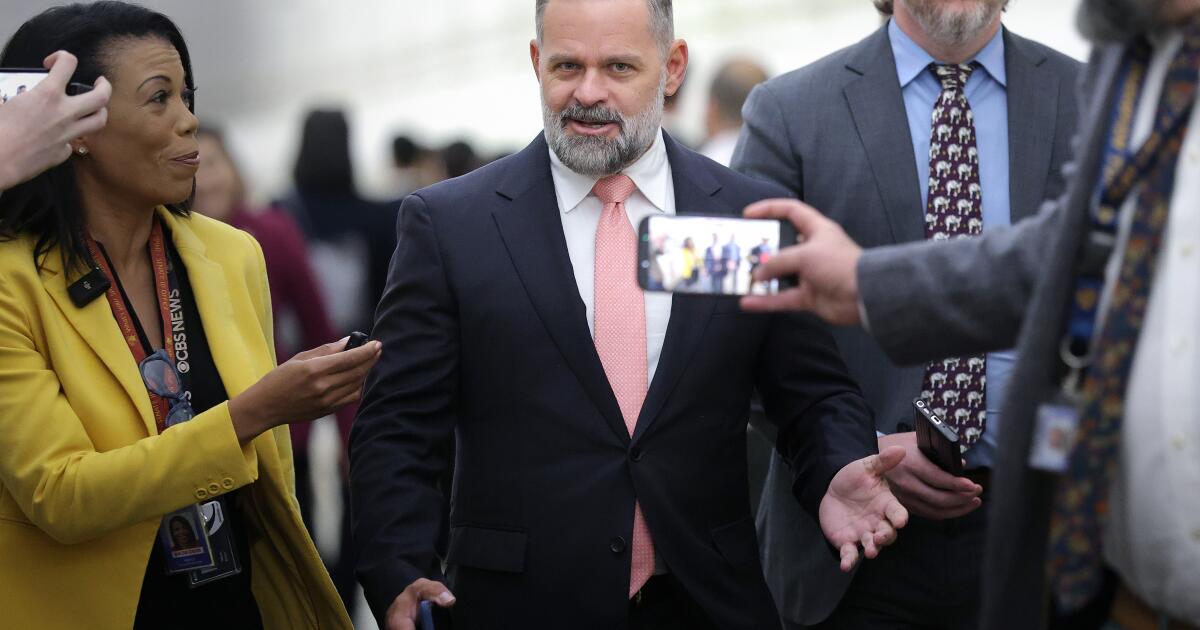
In a recent series of events, Washington, D.C., witnessed a wave of ethical scandals involving members of Congress and a Cabinet secretary. The scandals, which spanned both parties and branches of government, have raised concerns about the ability of Washington to hold itself accountable. Several lawmakers resigned or faced pressure to step down due to alleged misconduct, while investigations into other officials are ongoing. These incidents have reignited a debate about the effectiveness of Washington's rules and institutions for self-oversight.
The House Ethics Committee, tasked with investigating allegations of misconduct, has faced criticism for the length of its investigations and its ability to hold lawmakers accountable. Some lawmakers have called for reforms to expedite investigations and increase transparency in the process. The committee's records show instances where members resigned before conclusions were reached, highlighting the challenges in addressing allegations of misconduct.
The recent cases involving lawmakers accused of sexual misconduct have prompted calls for a more efficient and transparent process for handling ethics complaints. House leaders have emphasized the importance of due process for accused members, while also acknowledging the need for improvements in the system. The debate over how to address misconduct within Congress continues to evolve as more cases come to light.
Beyond the House, efforts are being made to increase transparency and accountability in handling ethics complaints. Senator Adam Schiff has advocated for creating a system that better protects junior staffers and ensures a fair process for all involved. He is also pushing for the establishment of an inspector general within the executive office of the President to oversee ethical standards and investigations.
The scandals in Washington have contributed to a decline in public trust in both Congress and the President. Approval ratings for both have dropped significantly, reflecting growing dissatisfaction among Americans. Lawmakers like Rep. Mark DeSaulnier are concerned that these scandals will further erode confidence in government institutions and the individuals who serve in them. The need for accountability and transparency in addressing misconduct remains a pressing issue for American democracy.
In conclusion, the recent ethical scandals in Washington have highlighted the challenges of holding government officials accountable for their actions. Calls for reform and increased transparency in the handling of ethics complaints are growing louder as public trust in Congress and the President wanes. Efforts to address misconduct and improve oversight mechanisms are essential to restoring confidence in government institutions and upholding ethical standards in public service.