Creating Inclusive Tourism: Addressing Barriers and Embracing Diversity in Travel Experiences
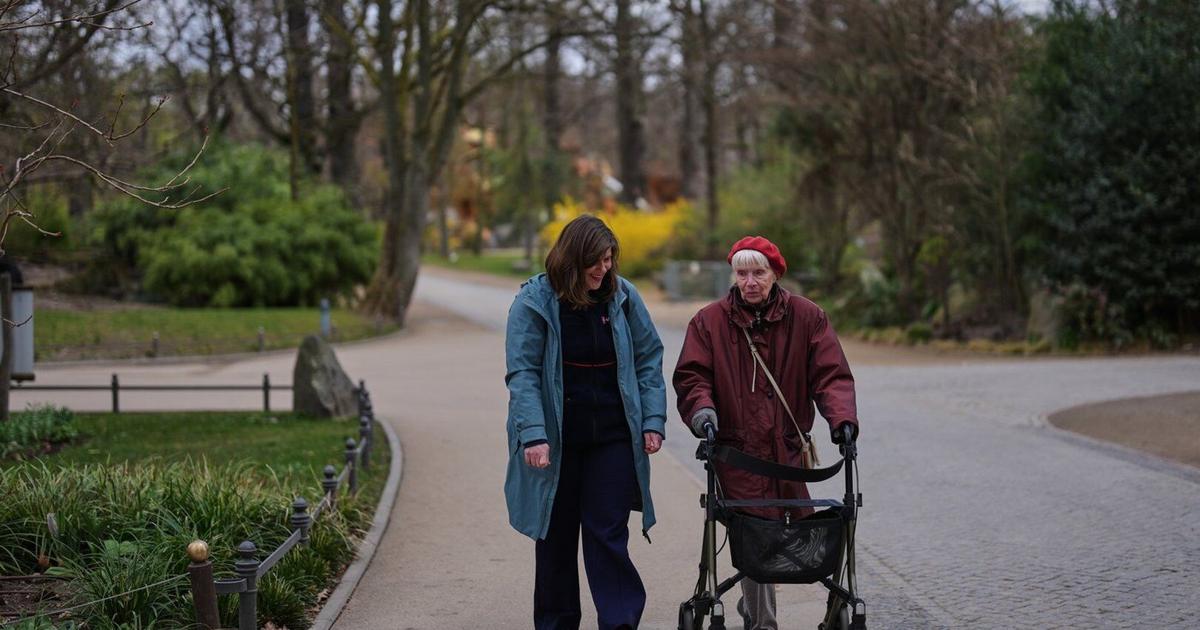
Traveling can be challenging for people with disabilities due to various barriers, both obvious and hidden. These barriers can include broken elevators, long outings, or noisy environments. The tourism industry is starting to focus more on accommodating older adults who have the means to travel internationally and may require extra support. However, true accessibility should cater to a diverse range of tourists, including those with physical disabilities, autism, or dementia.
In recent years, there has been a growing awareness of the need for inclusive tourism that considers the needs of all travelers. Organizations like Malteser Deutschland, a part of the international Catholic aid organization Malteser Order of Malta, have been organizing guided tours specifically designed for people with dementia. These initiatives aim to create a more inclusive and welcoming environment for individuals with different abilities to enjoy travel experiences.
Creating accessible tourism involves more than just physical accommodations. It also requires a shift in mindset to consider the diverse needs of travelers. By offering specialized tours and services, the tourism industry can ensure that everyone, regardless of their abilities, can participate in and enjoy travel experiences. This approach not only benefits individuals with disabilities but also enriches the overall travel experience for all tourists.
In conclusion, the tourism industry is evolving to become more inclusive and accessible to people with disabilities. By recognizing and addressing the various barriers that individuals may face while traveling, organizations can create a more welcoming environment for all tourists. Initiatives like guided tours for people with dementia demonstrate the importance of considering the diverse needs of travelers and working towards a more inclusive travel experience for everyone.