Unveiling the Truth: The Challenges and Opportunities in Recycling and Waste Management
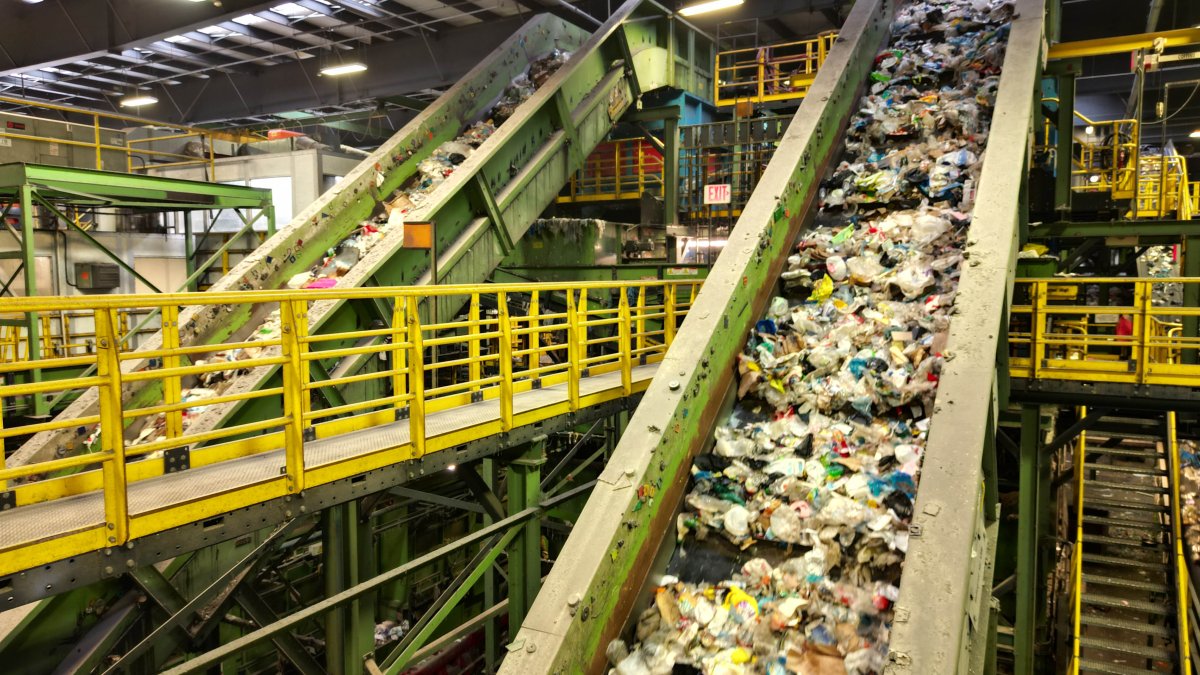
Recycling is often hailed as a crucial aspect of environmental conservation, yet a significant portion of recyclable materials never actually make it into the recycling system. The global production of plastic has skyrocketed over the past seven decades, with only 9% of plastic being recycled. This statistic reflects the amount of plastic that is attempted to be recycled rather than the actual recycling rate.
Despite 73% of U.S. households having access to curbside recycling, only 43% actively participate in recycling efforts. The disconnect in the recycling system is evident, with 76% of recyclables being lost at the household level. Many Americans express positive attitudes towards recycling, but lack awareness of how the system functions.
Certain materials, such as cardboard and aluminum, have higher recycling rates due to their ease of recognition and sorting. To recycle materials effectively, it is crucial to adhere to local recycling guidelines, which can vary by region. However, most plastics can only be recycled once or twice before their quality degrades, rendering them unsuitable for further recycling.
While some materials are deemed non-recyclable under conventional guidelines, companies like TerraCycle are working to change this narrative. TerraCycle partners with brands to process hard-to-recycle waste and transform it into new products, ranging from outdoor furniture to playground surface covers. By funding the processing of their own waste, brands can give products a second life and reduce landfill waste.
In addition to initiatives like TerraCycle, companies like REBEL are addressing the issue of unnecessary waste in landfills. REBEL collaborates with retailers to intercept returned items that would otherwise be discarded, extending the lifespan of products and minimizing waste. Generous return policies often result in usable goods being thrown away due to the costs associated with inspection and restocking.
While progress has been made in reducing single-use plastics and increasing recycling efforts, there is still more work to be done to minimize waste and protect the environment. By supporting innovative companies and adopting sustainable practices, individuals and businesses can contribute to a more eco-friendly future.