The SPLC Indictment: Unpacking the Controversy and False Narratives
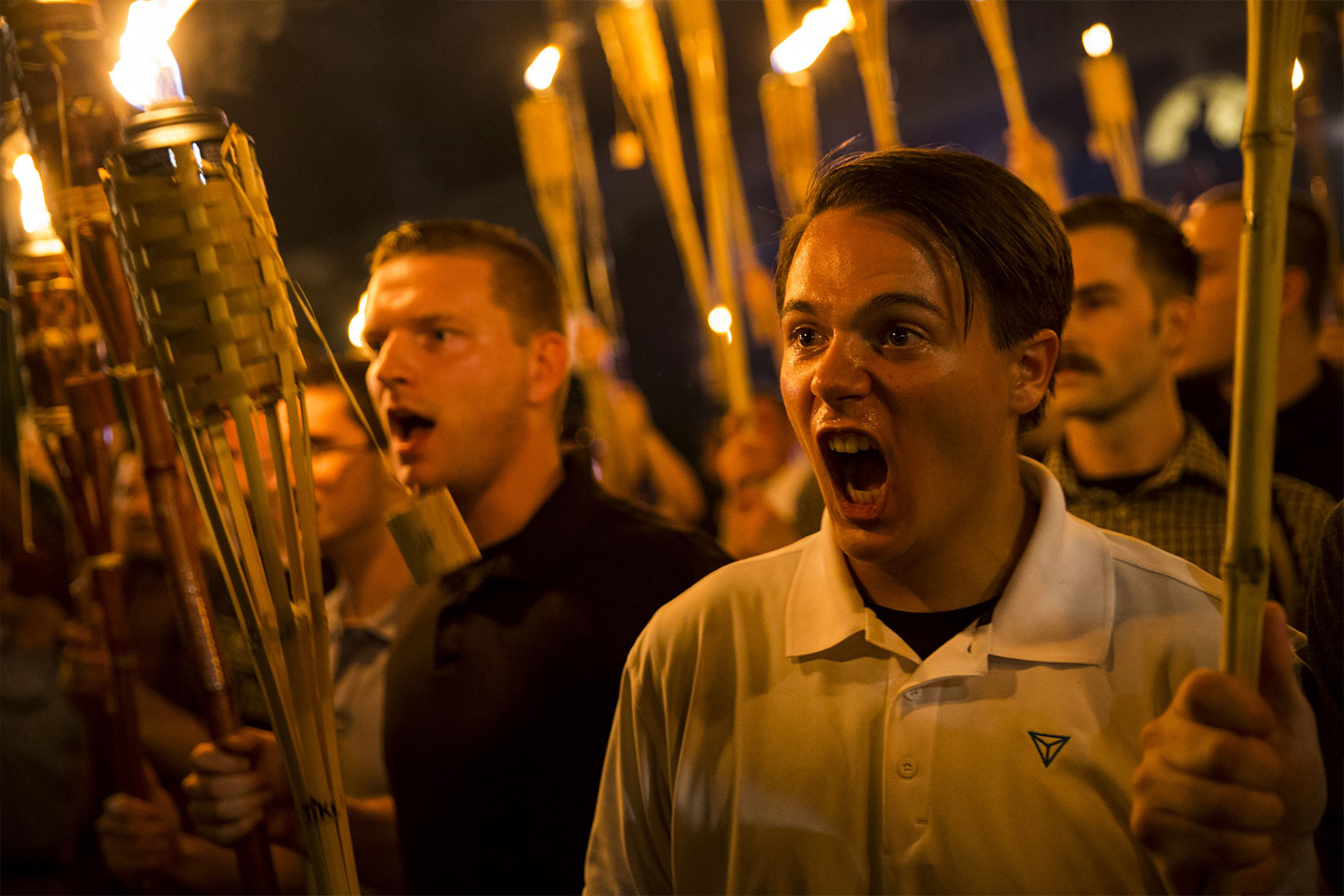
Following the events of the Capitol riot on January 6, 2021, conservative media outlets have been working to downplay the significance of the Unite the Right Rally that took place in Charlottesville, Virginia in 2017. The Department of Justice recently announced criminal charges against the Southern Poverty Law Center (SPLC), accusing them of wire fraud, false statements to a bank, and conspiracy to commit money laundering. The DOJ alleges that the SPLC used paid informants to infiltrate hate groups and funneled payments through shell accounts to protect the identities of these informants. However, legal experts have raised doubts about the strength of the government's case, suggesting that the charges may not hold up in court.
The SPLC has a history of using informants to gather intelligence on hate groups, a practice that has been reported on as far back as 1996. The government's case hinges on proving that the SPLC misled donors about how their funds would be used, but many donors have stated that they expected the organization to use their contributions to gather intelligence on hate groups. Legal experts believe that the charges may be dismissed before the case goes to trial, as the government's argument appears to be weak and lacks evidence of actual victims.
Conservative media figures and politicians have seized on the indictment against the SPLC as proof of their long-standing conspiracies. They have accused the organization of funding and inciting racism, despite the SPLC's mission to combat hate groups. The indictment has sparked a broader disinformation campaign, with claims that the Charlottesville rally was staged by the SPLC and that the organization funded and organized the event. Critics of the SPLC have long targeted the organization for its classification of certain groups as hate groups, arguing that it unfairly equates them with more violent organizations.
While there are valid questions to be raised about the SPLC's methods and transparency, the indictment appears to be part of a broader effort to delegitimize the organization and its work. The Justice Department's actions against the SPLC reveal a troubling merger of federal power with the denial of white supremacy as a real threat in America. Despite the indictment, many remain unconvinced of the government's claims, with some viewing the case as weak and politically motivated.
The current moment reflects a paradox where those who were involved in the events being scrutinized are pushing back against the false narratives being propagated by conservative media. The right-wing ecosystem's cultivation of a worldview where facts can be dismissed as staged or manipulated has dangerous consequences, leading to further radicalization and division. The Trump administration's recent decisions, such as vacating convictions of extremist groups and pardoning January 6 rioters, highlight the administration's alignment with these narratives. Regardless of the outcome of the SPLC indictment, the false flag narrative surrounding Charlottesville is likely to persist, perpetuating a dangerous cycle of misinformation and radicalization.