Rising Energy Costs in Georgia: The Impact of Data Centers on Electricity Rates
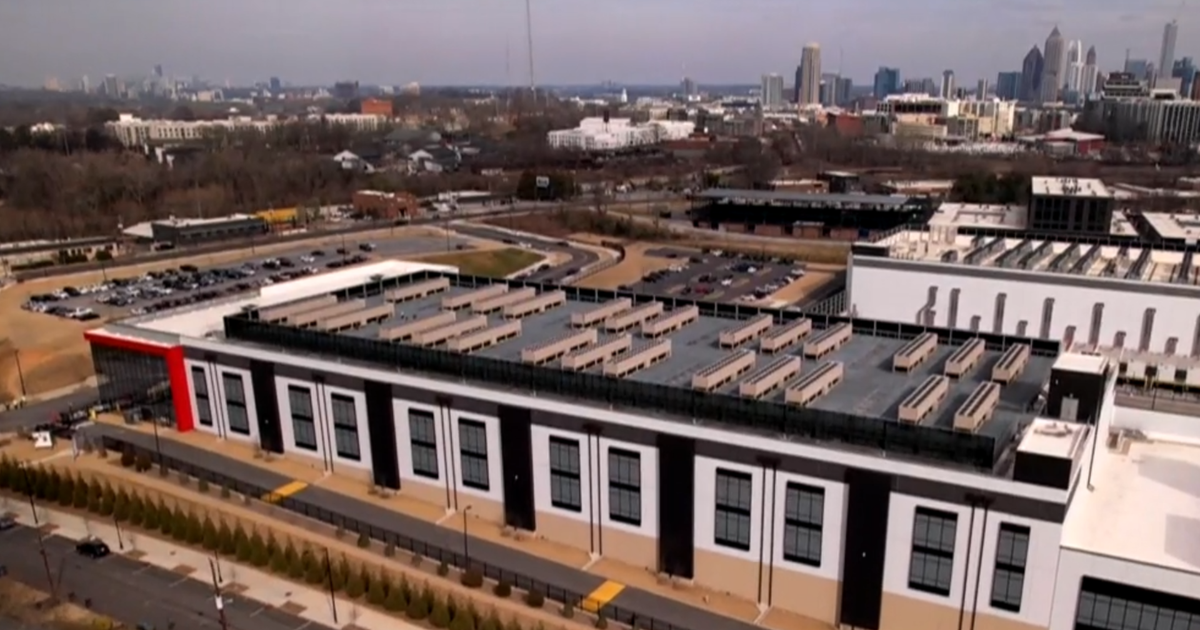
In Atlanta, Georgia, Carolyn Kayne is facing a dilemma as her electric bills have nearly doubled in the past two years. To combat the rising costs, she has resorted to extreme measures like turning off her heat and water, making parts of her 3,000-square-foot home uninhabitable. This situation is not unique, as the average monthly bill for customers in Georgia has increased from $150 to $225, according to Patty Durand, founder of Georgians for Affordable Energy.
Georgia Power, the state's largest energy provider, has implemented six rate hikes in the last three years, coinciding with the launch of the Vogtle nuclear power plant and the influx of data centers in the state. The rise in data centers, driven by the growing demand for artificial intelligence, has led to increased utility bills in at least 13 states across the U.S. A recent analysis found that Americans living near data centers are paying up to 267% more for energy compared to five years ago.
Maine Governor Janet Mills recently vetoed a bill that would have prohibited the construction of new data centers in the state, citing the need to assess the potential impacts of these facilities as artificial intelligence technology becomes more prevalent. Durand warns that data centers could significantly raise electricity costs in Georgia if not properly regulated.
In response to the concerns raised, Georgia Power has implemented a rate freeze and committed to using revenue from large customers, including data centers, to offset costs for residents. The utility company denies passing on the expenses associated with data centers to residential customers. Despite these efforts, individuals like Kayne, who are already struggling with high bills, may find it challenging to cope with the financial burden.
As Georgians grapple with soaring energy costs, the impact of data centers on electricity rates remains a pressing issue. The need for effective measures to address this issue is crucial to ensure that residents are not unfairly burdened by the growing demand for artificial intelligence and the proliferation of data centers.