NYC's City-Owned Grocery Stores Initiative: Affordable Prices, Fair Wages, and Community Impact
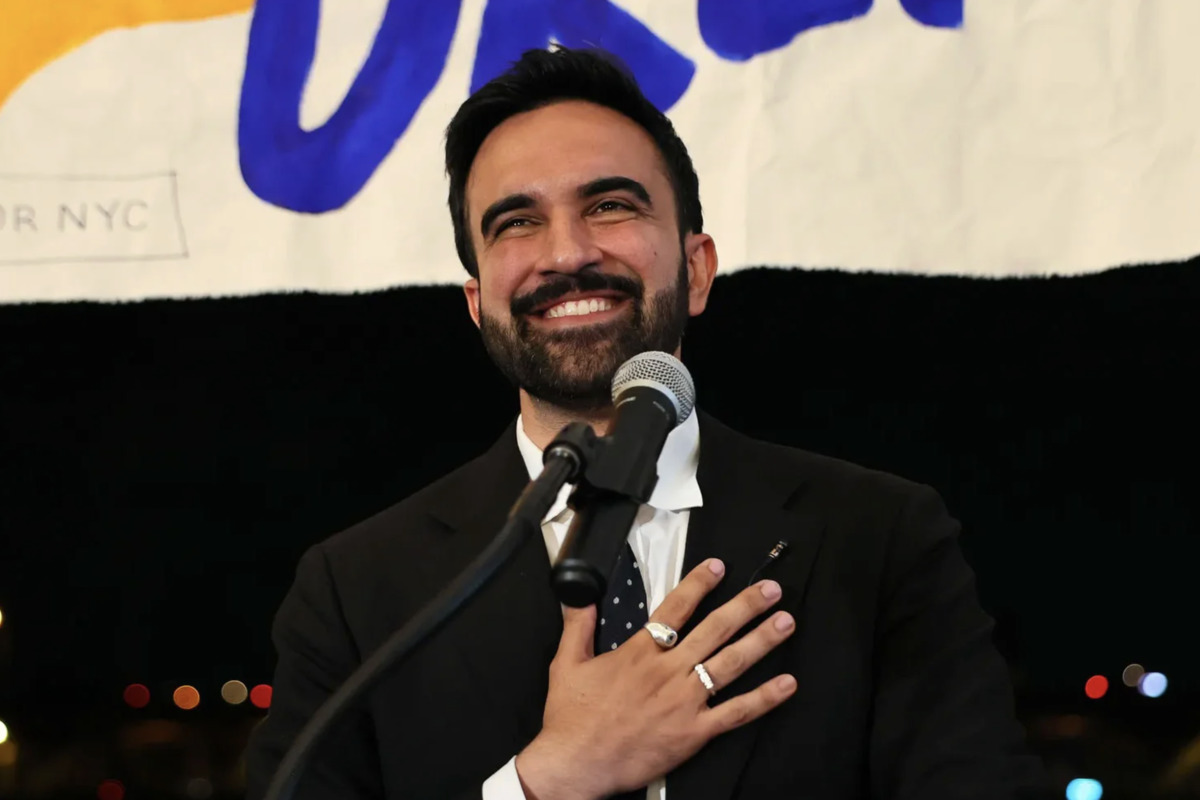
Mayor Zohran Kwame Mamdani is moving forward with his plan to establish city-owned grocery stores that offer essential items at lower prices while ensuring fair wages for workers. The first location in East Harlem has been identified, and the city plans to create a network of five stores across all boroughs. These supermarkets will be built on city-owned land to avoid rental costs and are expected to open as early as late 2027, with the East Harlem store projected for 2029. The city will own the land, cover overhead expenses, and select private operators through a request for proposals to manage day-to-day operations while passing on savings to customers on staple items like bread and eggs.
The city's goal is to provide affordable prices on a core set of everyday products while offering quality goods and culturally relevant food options tailored to each community. The project emphasizes fair labor practices, with assurances that workers will not be exploited. The $70 million allocated for the five-store network has raised concerns, particularly the estimated $30 million construction cost for the East Harlem store. Critics question the investment's value and whether alternative programs could achieve similar outcomes more efficiently.
Supporters view the initiative as a modern approach to addressing food insecurity in neighborhoods with high SNAP usage. Labor leaders and local officials endorse the project, highlighting its potential to increase access to affordable food and create stable employment opportunities. However, national commentators caution about the operational and financial risks associated with municipal supermarkets, emphasizing the need for tangible cost savings for consumers. The success of the first store will serve as a litmus test for the project's viability and impact on local communities.
The city plans to engage private operators through a formal procurement process, establish an NYC Groceries Task Force to oversee the rollout, and collaborate with communities on product selection and store operations. NYCEDC will lead the partnership with City Hall, with community meetings and procurement activities scheduled for the upcoming months. If the city meets its targets, the first store could open by 2027, followed by the flagship East Harlem store in 2029, with detailed pricing and operator agreements determined through the RFP process.
As the city progresses with its plan, residents and existing small grocers are eager to see if the public option can reduce costs for consumers without disrupting the local retail landscape. The success of the project will depend on translating promises into tangible outcomes that benefit both shoppers and the community.