EU's Initiative: Funding Alternative Energy Routes in the Middle East to Address Fuel Crisis and Geopolitical Tensions
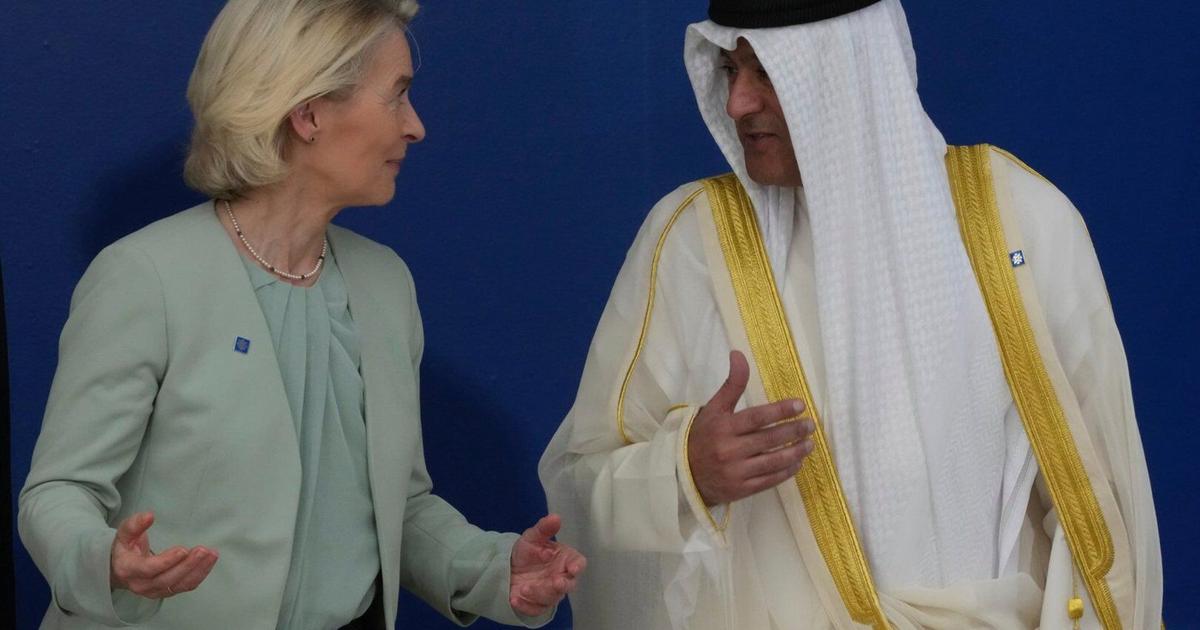
The European Union is facing a fuel crisis and high oil and gas prices due to the Iran war, prompting them to explore alternative energy routes in the Middle East. European Commission President Ursula von der Leyen expressed the EU's willingness to collaborate with Persian Gulf countries on new energy projects that can avoid conflict zones like the Strait of Hormuz.
The EU is considering funding alternative energy routes in the Middle East to reduce dependence on volatile regions and ensure a stable energy supply. This move comes in response to the escalating fuel crisis and soaring oil and gas prices caused by the Iran war.
European leaders are exploring options to diversify energy sources and routes to mitigate the impact of geopolitical tensions on energy supplies. By investing in alternative energy projects in the Middle East, the EU aims to create more secure and reliable energy pathways that are not vulnerable to disruptions caused by conflicts like the Iran war.
The EU's focus on funding alternative energy routes in the Middle East is driven by the need to secure a stable and sustainable energy supply in the face of escalating fuel prices and geopolitical tensions. By investing in new energy projects in collaboration with Persian Gulf countries, the EU aims to create a more resilient energy infrastructure that can withstand disruptions caused by conflicts in the region.
In conclusion, the European Union is actively exploring funding options for alternative energy routes in the Middle East to address the fuel crisis and high oil and gas prices triggered by the Iran war. By investing in new energy projects and collaborating with Persian Gulf countries, the EU aims to create a more secure and stable energy supply that is not vulnerable to geopolitical strife.