Strait of Hormuz Tensions: U.S. Military Officials Address Ceasefire and Shipping Control
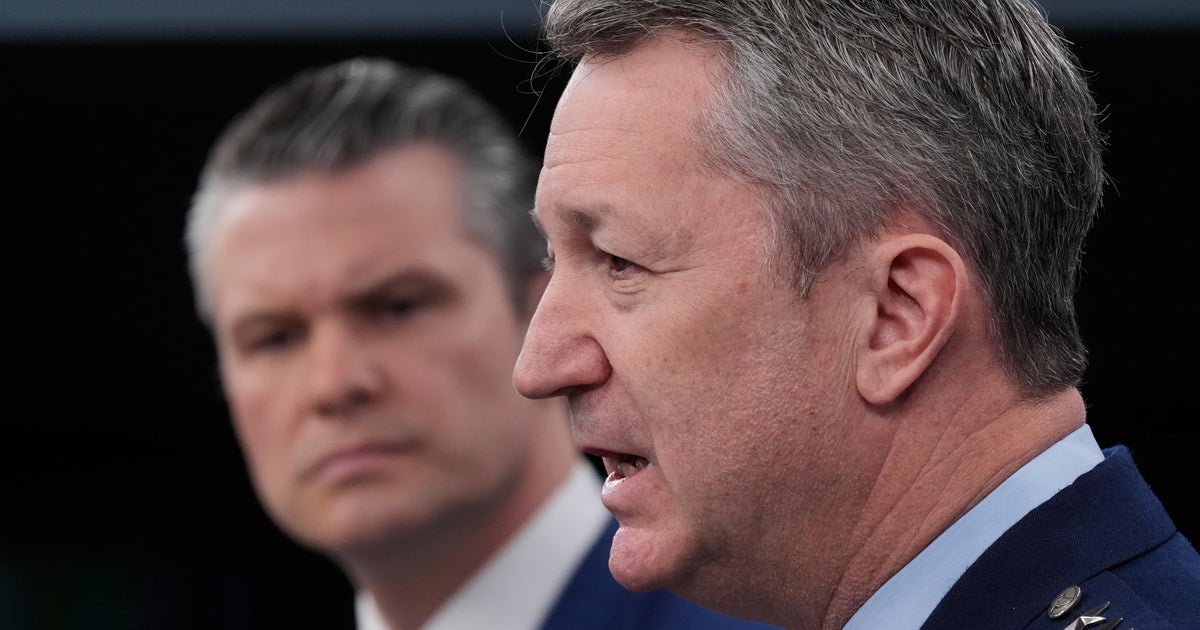
The top officials of the U.S. military are set to address the press regarding the ongoing U.S.-Iran ceasefire and the escalating competition for control over shipping traffic in the Strait of Hormuz. Defense Secretary Pete Hegseth and Gen. Dan Caine will hold a news conference to provide updates on Operation Epic Fury, which began in late February. The U.S. has imposed a blockade on Iranian ports, while Iran claims to have collected toll revenue from the strait, a critical chokepoint for global oil transportation.
Tensions have risen as both the U.S. and Iran engage in tit-for-tat actions in the strait. The U.S. intercepted Iran-linked oil tankers, while Iran allegedly boarded cargo ships. Iran's Revolutionary Guards released a video showing commandos boarding vessels, but the Filipino seafarers aboard the seized ships were reported safe. President Trump asserted U.S. control over the strait and authorized military action against Iranian vessels attempting to place mines.
Despite the ceasefire extension, shipping traffic in the strait remains below normal levels. President Trump emphasized the need for a deal with Iran and warned of resuming military action if negotiations fail. The ceasefire between Israel and Lebanon was also extended, with Lebanon potentially playing a role in resolving the Iran conflict. The Pentagon saw changes as Navy Secretary John Phelan resigned amid conflicts with others, according to President Trump.
In conclusion, the U.S. military officials' press conference will shed light on the evolving situation in the U.S.-Iran conflict and the strategic importance of the Strait of Hormuz. The ongoing ceasefire and control over shipping traffic remain key points of contention between the two nations, with potential implications for regional stability and global oil supply.