President Trump's Concerns Over Prediction Markets: National Security Risks and Insider Trading
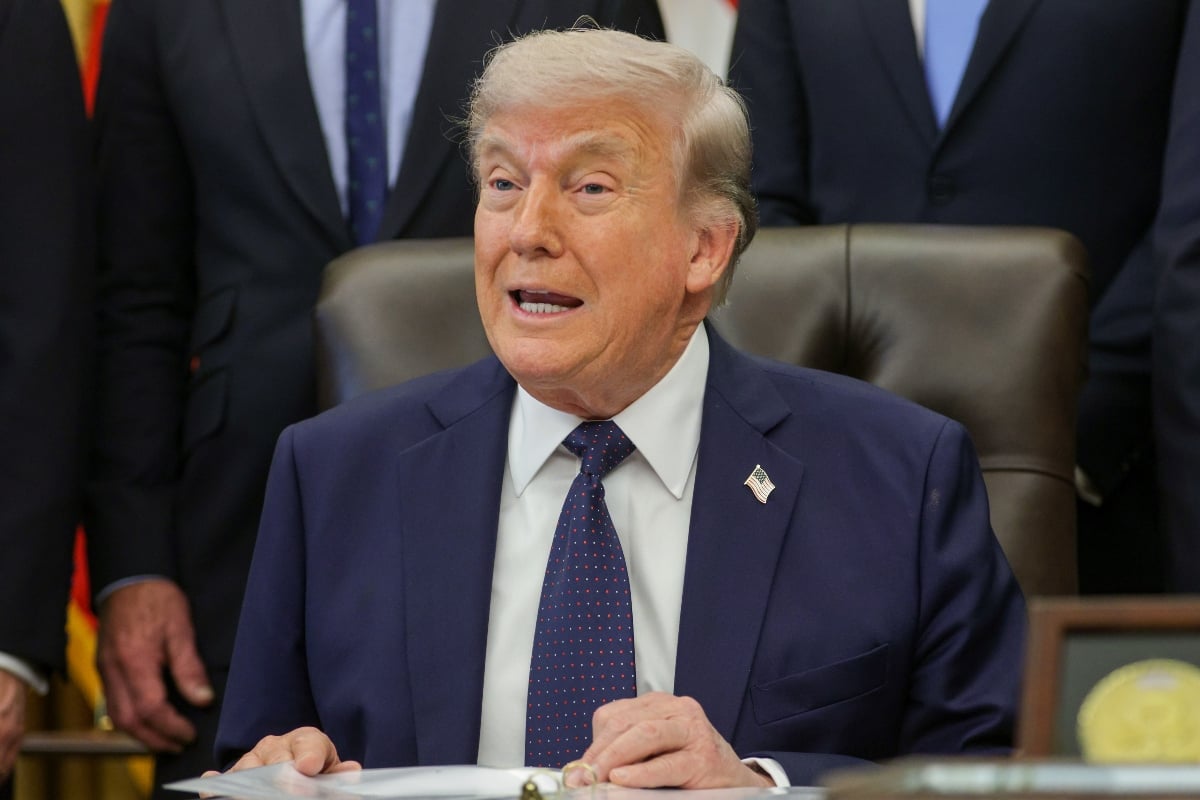
President Donald Trump has expressed concerns about the growing influence of prediction markets, which have gained popularity during his second administration. Trump, who previously profited from casino resorts, now disapproves of prediction markets, citing national security risks. The Department of Justice recently charged a US special forces soldier, Gannon Ken Van Dyke, for allegedly using insider information to make significant profits on the capture of Venezuelan President Nicolas Maduro.
Van Dyke reportedly made substantial trades on Polymarket before the operation to capture Maduro, resulting in a net profit of over $400,000. Prediction markets, such as Kalshi, have expanded their offerings to include trading contracts on various events, including sports outcomes. The Commodity Futures Trading Commission has played a role in regulating these markets, asserting federal oversight over state gaming laws.
Despite previous support for prediction markets, the White House's stance may be shifting. Donald Trump Jr., an advisor to Kalshi and Polymarket, and the announcement of Truth Predict, a prediction market by Truth Social, indicate a potential change in position. Trump expressed his disapproval of prediction markets, acknowledging their existence but stating his dissatisfaction with the concept.
Some argue that prediction markets rely on insider traders to function effectively. These insiders provide valuable information that influences trading prices accurately. In the past, prediction markets focused on traditional events like soybean futures, where participation from farmers and industry experts was crucial for pricing agricultural commodities accurately.