Redistricting Battles: Virginia's Mid-Decade Redistricting Plan and Its Impact on the Midterm Elections
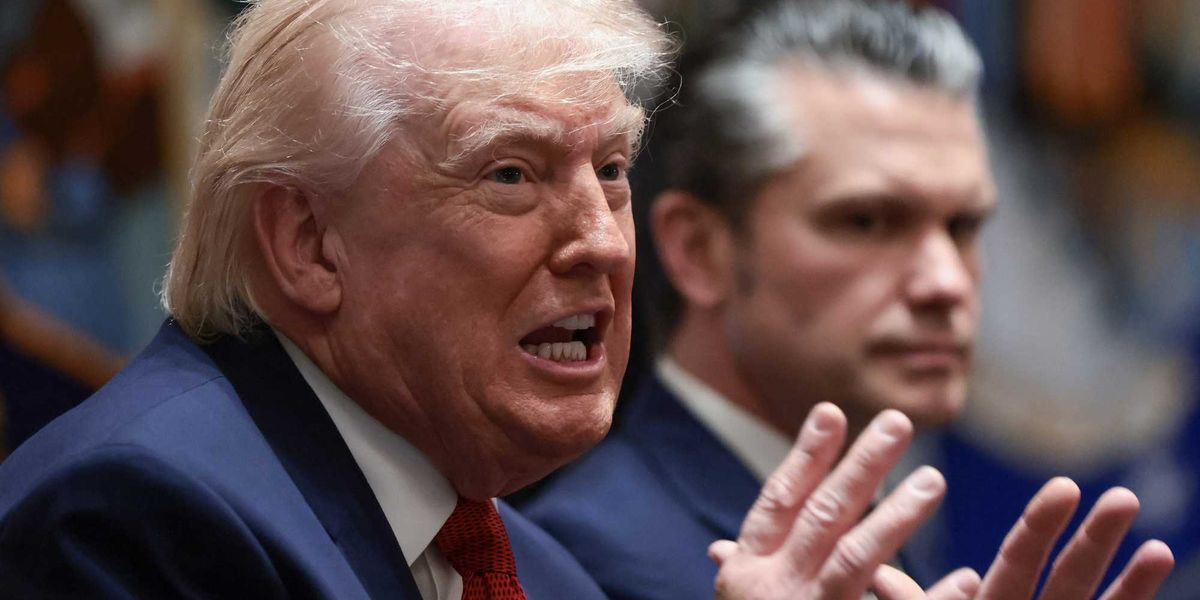
Virginia voters recently approved a mid-decade redistricting plan that could potentially benefit Democrats by securing four additional U.S. House seats in the upcoming midterm elections. The approved constitutional amendment, which narrowly passed, circumvents a bipartisan redistricting commission. This move is part of a broader trend of states engaging in redistricting battles following President Donald Trump's call for Republican officials in Texas to redraw districts to secure more seats in the November elections and maintain a slim House majority.
The Virginia redistricting initiative has been framed by Democrats as a response to Trump's efforts to influence congressional elections. The campaign featured former President Barack Obama in ads advocating for the redistricting plan. Meanwhile, Republicans have vowed to challenge the new map in court, underscoring the contentious nature of the redistricting process.
Historically, the party in power at the White House faces challenges in midterm elections, as seen during Trump's first term when Democrats gained control of the House. With Democrats aiming to gain control of the House in November, the outcome of redistricting efforts in states like Virginia, Texas, Missouri, North Carolina, and Ohio could significantly impact the balance of power in Congress.
In Virginia specifically, the new redistricting plan could potentially help Democrats secure up to 10 House seats, with a focus on strengthening Democratic representation in northern Virginia and diluting conservative voting blocs in other regions. The ongoing redistricting battles across various states underscore the high stakes involved in shaping electoral districts ahead of the midterm elections.
As the redistricting process unfolds, the political landscape remains fluid, with a significant number of House incumbents not seeking reelection. This turnover, coupled with the potential impact of redistricting efforts, adds an element of unpredictability to the upcoming elections. The outcome of these developments could have far-reaching implications for the balance of power in Congress and the ability of parties to advance their policy agendas.
In conclusion, the redistricting battles in Virginia and other states highlight the intense competition and strategic maneuvering taking place ahead of the midterm elections. With both Democrats and Republicans vying for electoral advantage through redistricting efforts, the outcome of these battles will shape the political landscape and potentially determine the balance of power in Congress. The upcoming elections promise to be closely contested, with the redistricting process playing a pivotal role in shaping the outcome.