Global Wind Power Capacity Surges, Driving Renewable Energy Growth and Energy Storage Innovations
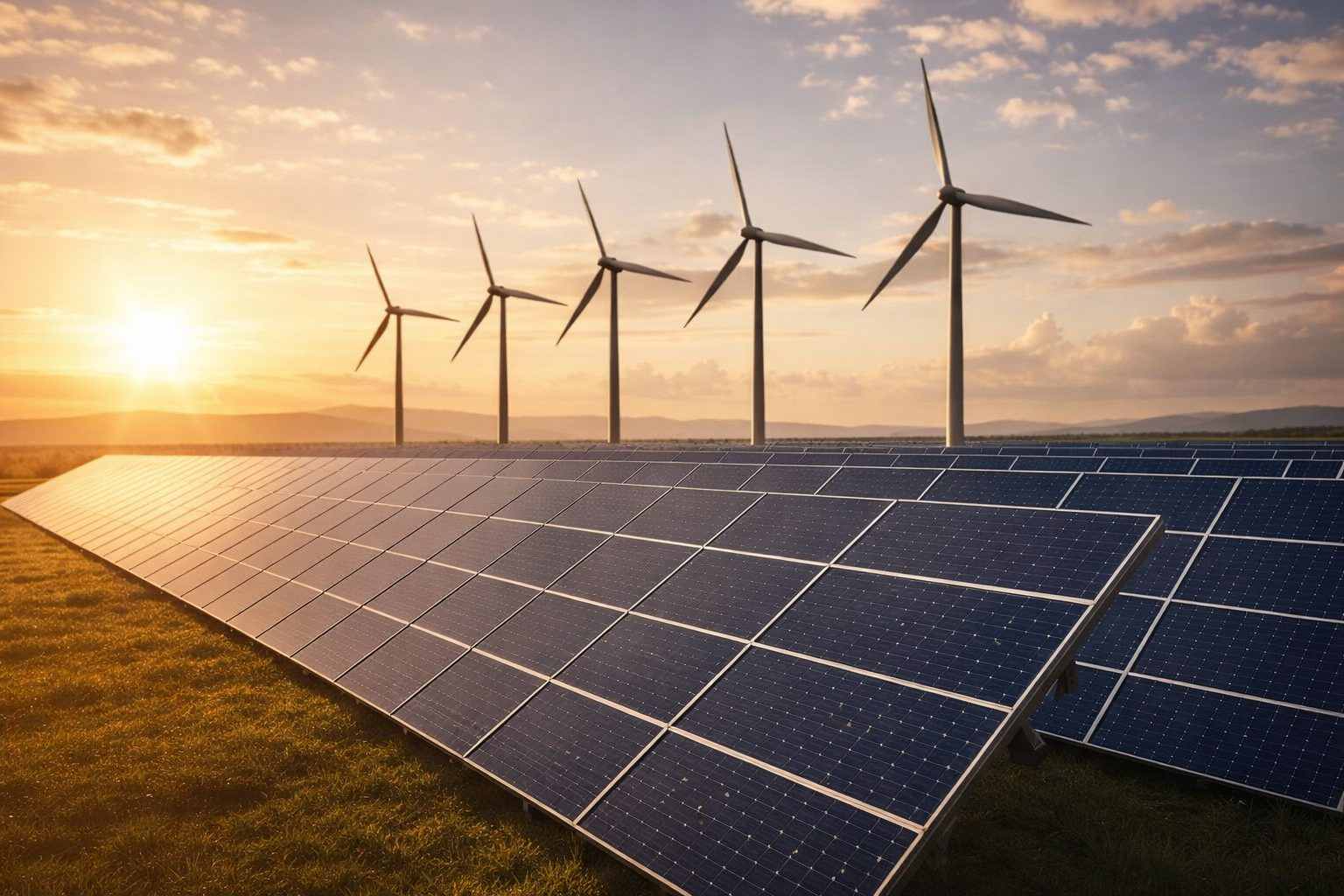
Global wind power capacity saw a significant increase last year, reaching a record 165 gigawatts, with China leading the way by adding 120.5 GW of new wind capacity. The total installed wind power worldwide now stands at nearly 1.3 terawatts. This surge in wind power additions comes at a time when governments are seeking alternatives to volatile fossil fuel markets due to rising power demand. Renewable power accounted for almost half of global electricity capacity last year, highlighting the shift towards cleaner energy sources.
Despite the record growth in wind power capacity, it falls short of the International Renewable Energy Agency's target of adding 320 GW of new wind capacity annually to triple renewable energy capacity by 2030. The Global Wind Energy Council projects 969 GW of wind power additions through 2030, averaging about 194 GW per year. The need for increased renewable energy capacity is crucial to meet global sustainability goals and reduce reliance on traditional energy sources.
Storage solutions are also gaining prominence in the renewable energy sector. Projects like the 450 MW solar photovoltaic portfolio with a 250 MW/1 GWh battery energy storage system in Hungary and the expansion of a structured credit facility in Germany for solar and battery storage installations across Europe demonstrate the growing focus on energy storage technologies. These initiatives aim to enhance the integration of renewable energy sources into the grid and improve overall energy system reliability.
Countries like Poland and Australia are also investing in battery energy storage systems to support their energy transition efforts. The construction of an 80 MW/320 MWh battery energy storage system in Poland and the deployment of 33.5 MW/81 MWh of battery systems in Australia's Northern Territory underscore the global momentum towards adopting energy storage solutions. These projects play a crucial role in balancing the intermittent nature of renewable energy sources and ensuring a stable and resilient power supply.
In addition to storage projects, advancements in technology are driving innovation in the energy sector. Companies like Emerald AI, HT Materials Science, and Point2 Technology are recognized for their contributions to data-center infrastructure, addressing the increasing power demands associated with artificial intelligence applications. The convergence of energy technology with decarbonization, rising power demand, supply security, and cost efficiency is shaping the future of the energy industry.
Policy developments are also shaping the transition to cleaner energy sources. Vietnam's extension of a special consumption-tax cut for electric vehicles until 2030 and Indonesia's discussions on a potential bioethanol plant with Toyota Motor Asia reflect the growing support for sustainable transportation solutions. These initiatives aim to accelerate the adoption of electric vehicles and reduce carbon emissions in the transportation sector.
While the renewable energy sector continues to witness significant growth and investment, challenges such as permitting, grid access, and project viability remain critical considerations. Companies like RWE facing obstacles in project implementation highlight the importance of addressing regulatory and operational hurdles to ensure the successful deployment of green energy projects. Overcoming these challenges will be essential to realizing the full potential of renewable energy and achieving a sustainable energy future.